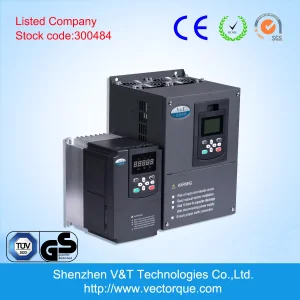
Integrate our precision controllers and energy systems for seamless industrial performance
Expert insights into reliability metrics, configuration profiles, and mechanical architecture
Thermal overload relays (TORs) remain the cornerstone of low-voltage motor circuit defense. Utilizing the classic bimetallic deflection mechanism, these devices sense continuous overcurrent situations. When a motor experiences an overload condition, the difference in thermal expansion coefficients of the two bonded metal strips causes physical bending. This displacement triggers a snap-action switch mechanism, which breaks the control circuit connected to the main contactor coil.
For custom OEM design, understanding this physical deformation rate is key. Under IEC 60947-4-1 standards, trip curves are classified into definite trip times (Class 10A, 10, 20, 30). Modern automation demands customization of these curves to handle high-inertia startup applications (such as large industrial centrifuges or heavy fan loads) without nuisance tripping while providing rapid detection of phase loss.
Our custom thermal overload relays employ advanced differential mechanisms. When one phase experiences a sudden voltage drop or complete loss, the differential slide mechanism shifts unevenly, triggering the trip mechanism at lower current levels to prevent catastrophic single-phasing motor failures.
Global systems builders often require structural integrations that off-the-shelf components cannot accommodate. Customized thermal overload relays bridge the gap between space constraints and high electrical capacity. Key customizable metrics include:
Years of Industrial Electrical Control Expertise
Technical Patents & Intelligent System Designs
Annual Revenue Reinvested in R&D Programs
ISO9001 Process Validation and ERP Traceability
Why modern enterprise procurement teams choose Shenzhen NovaVolt for OEM manufacturing
Located in the heart of China’s advanced electronics manufacturing ecosystem, NovaVolt leverages unparalleled access to premium copper alloys, high-precision thermal bimetals, and high-performance injection-molded flame retardants. Our localized supply chain reduces raw material lead times to just days compared to weeks in western regions.
Our agile engineering cycle enables us to rapidly build toolings and molds for custom enclosures or mounting bases. We utilize state-of-the-art SLA 3D printing and quick-turn injection tooling, lowering the financial barrier for custom OEM client designs during testing phases.
We systematically navigate international standards. Whether you deploy your equipment in North America under UL approval frameworks, in the EU with CE and RoHS marks, or across Asia with CCC/CB schemes, NovaVolt engineers pre-test and optimize your thermal overload relays for immediate compliance.
Purchasing departments must evaluate the total cost of ownership (TCO). While unit price is crucial, operational reliability metrics—such as MTBF (Mean Time Between Failures), response times of customized trip classes under cold/hot start profiles, and terminal temperature rise values—directly influence brand reputation. By working with an ISO9001-certified partner like NovaVolt, enterprises reduce downtime costs by up to 35% globally.
Driven by Innovation, Powered by Expertise
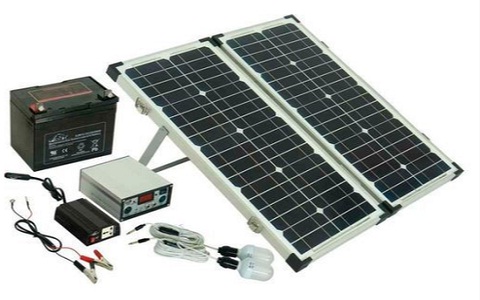
Shenzhen NovaVolt Service Co., Ltd. is dedicated to becoming a leading global provider of advanced solar inverter and energy solutions. Backed by over 20 years of experience in industrial electrical control systems, NovaVolt combines deep technical expertise with a forward-looking innovation strategy to deliver reliable, high-performance products to customers worldwide.
Our strength lies in a highly skilled R&D team, composed of senior engineers with extensive experience in power electronics and product development, including professionals from globally recognized Fortune 500 companies. With a portfolio of more than 30 technical patents, we continuously invest over 10% of our annual revenue into research and development—ensuring ongoing breakthroughs in efficiency, system stability, and intelligent energy management.
Precision in Every Detail
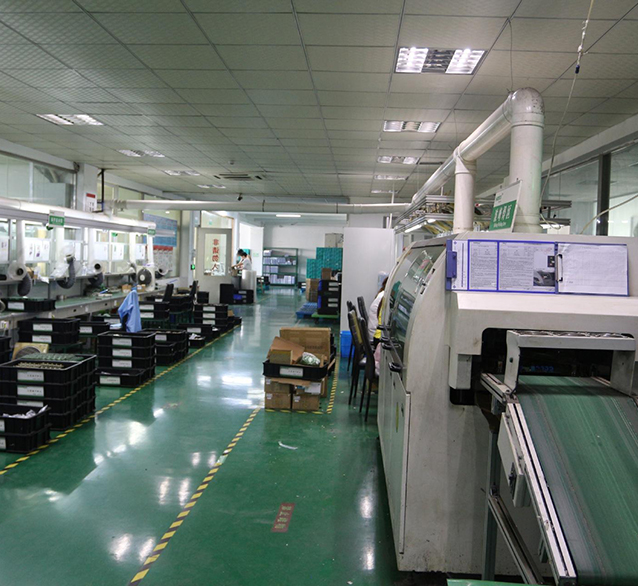
At NovaVolt, quality is not just a standard—it is a commitment embedded in every stage of our operations. We implement a comprehensive quality management system that covers the entire product lifecycle, from initial design validation to after-sales optimization.
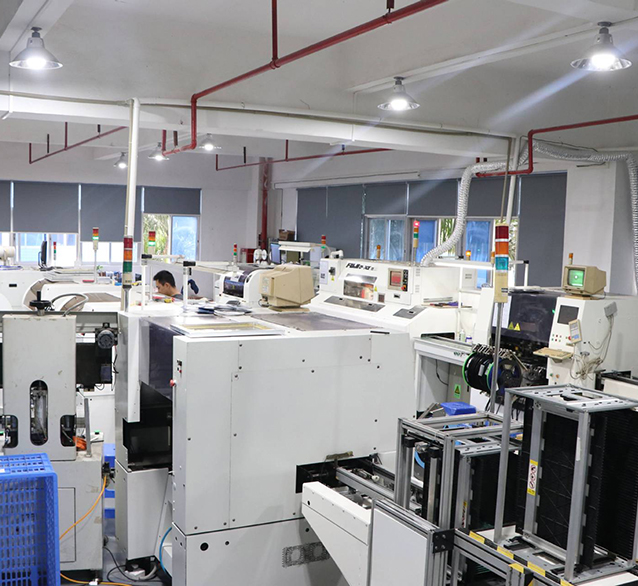
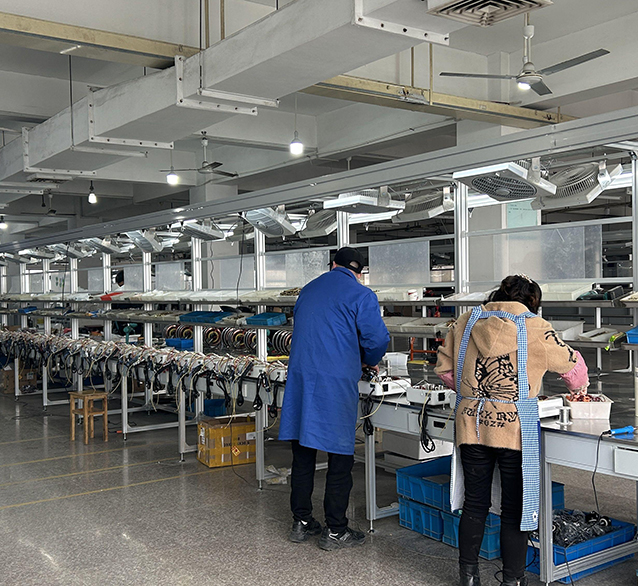
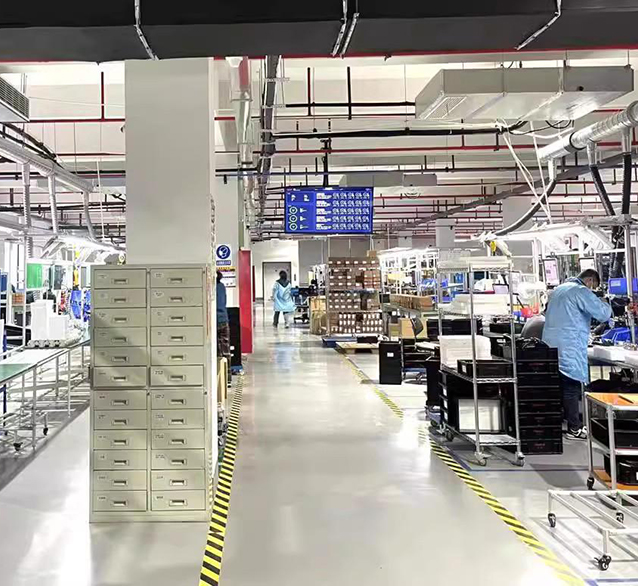
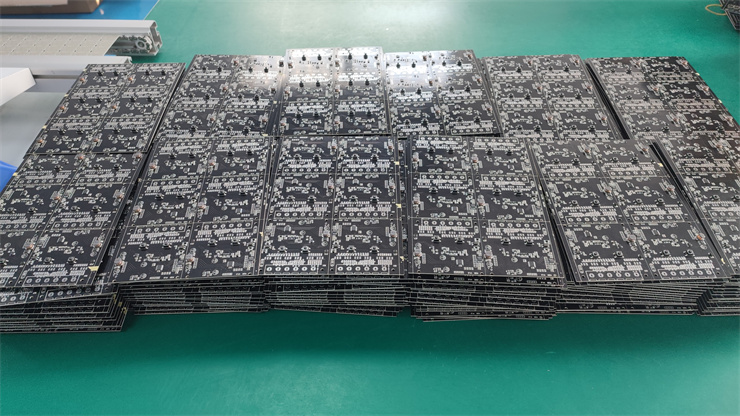
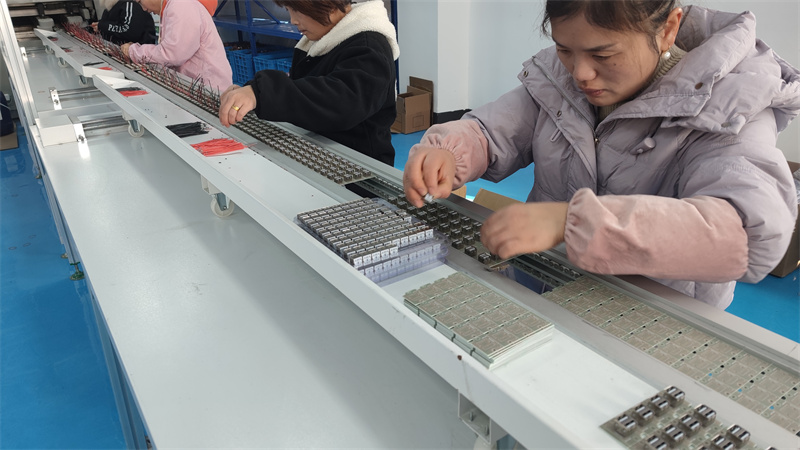
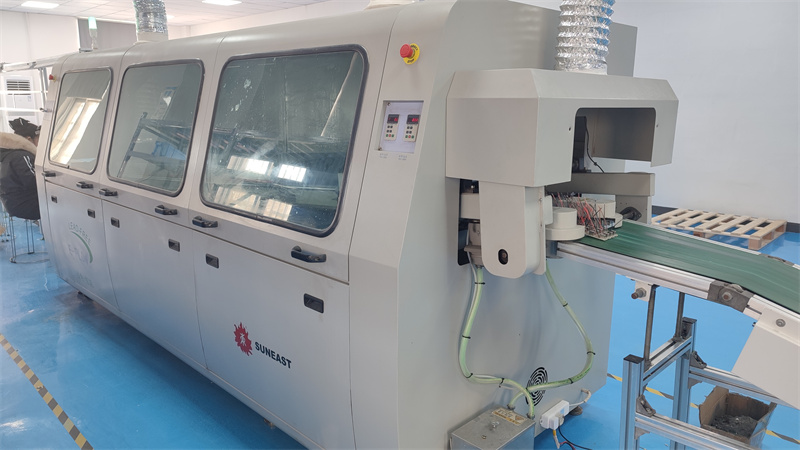
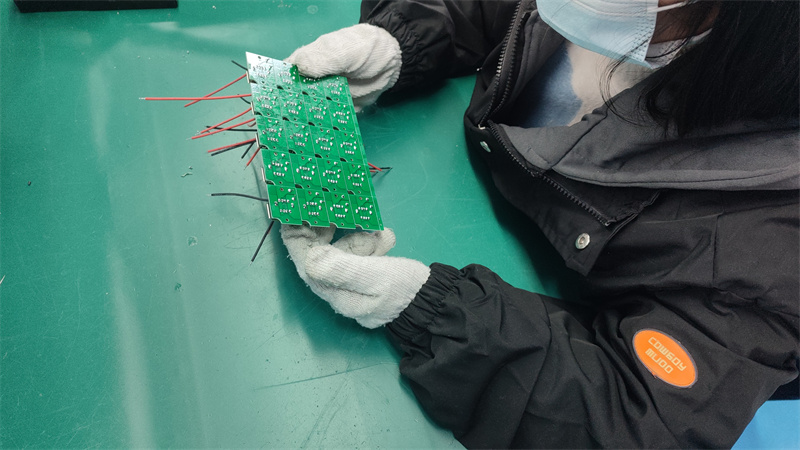
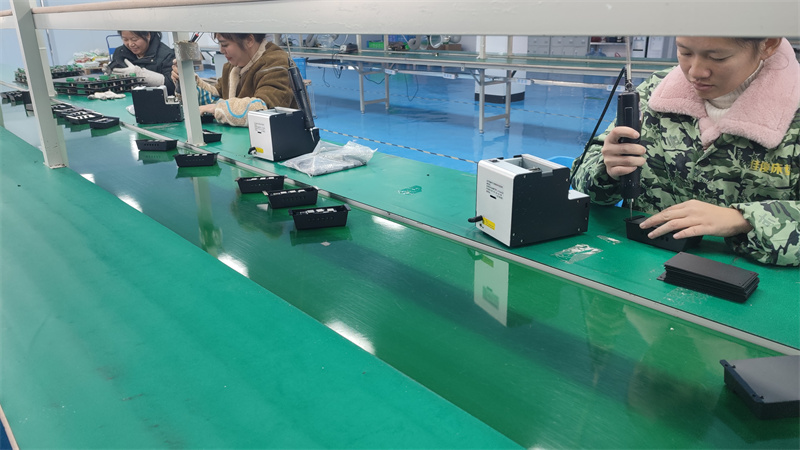
Our manufacturing process follows strict international standards. Each PCBA undergoes more than ten critical processes, including solder paste printing, SMT placement, reflow soldering, and AOI (Automated Optical Inspection). Every step is executed with precision craftsmanship, ensuring superior product consistency, durability, and long-term reliability.
Engineering Reliability Through Technology
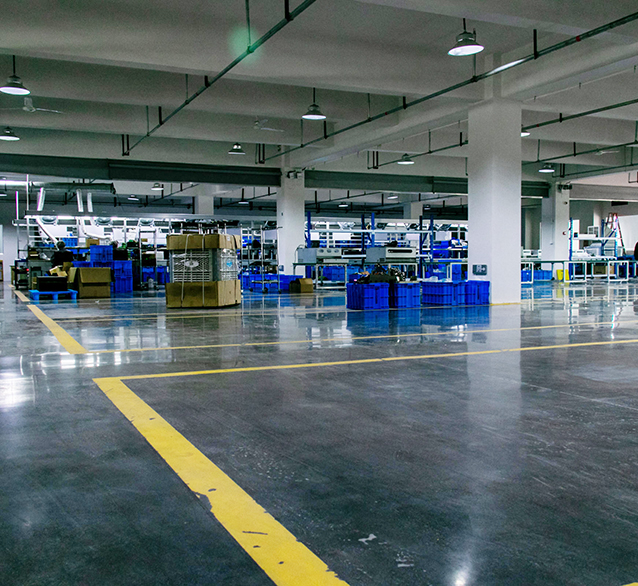
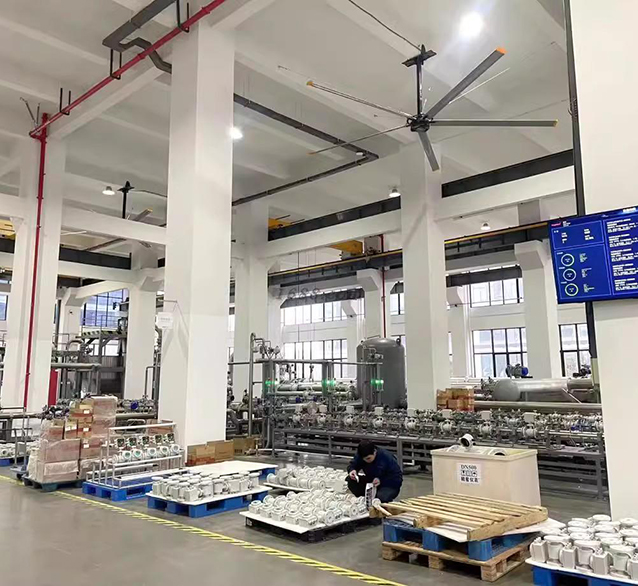
NovaVolt embraces intelligent manufacturing to deliver exceptional product performance. Our advanced production lines are equipped with automated AOI systems, PLC/IPC-based intelligent testing platforms, and real-time data acquisition systems.
Through a fully integrated ERP management system, we achieve complete traceability across the entire production process—from raw material sourcing to final delivery. This digitalized and data-driven approach enhances operational efficiency, minimizes errors, and guarantees consistent product quality at scale.
Empowering a Sustainable Energy Future
At NovaVolt, we believe our mission extends beyond manufacturing inverters. We are committed to enabling a smarter and more sustainable energy ecosystem. By leveraging cutting-edge technology, we maximize the utilization of solar energy—transforming every ray of sunlight into stable, efficient, and clean power.
We strive to build long-term partnerships with our customers, delivering not only products but also trust, innovation, and value. Together, we are shaping a greener, low-carbon future for generations to come.

Adapting thermal overload protection to diverse environmental requirements and smart industry 4.0 systems
Municipal water treatment facilities rely on high-volume, variable load induction pumps. Overload relays must be adjusted to class 20 or 30 trip specifications to prevent cutout during early hydraulic pipe pressurization while monitoring for impeller blockages causing sustained thermal stress.
Commercial heating and air systems experience intense start/stop cycles. We design custom thermal overload relays with ambient-compensated bimetallic strips, operating efficiently from -20°C to +60°C without drifting from their calibrated current set-points.
Conveyors and heavy screening gear are subject to sudden dust clogging and mechanical jams. Fast-acting class 10A configurations prevent motor stator winding damage by tripping rapidly in the event of a sudden, locked-rotor state.
As industry fields shift toward digital twin management systems and proactive monitoring, standard mechanical overload relays are adapting. Key engineering trends include the incorporation of micro-electromechanical systems (MEMS) sensors alongside traditional bimetallic strips. This hybrid model provides physical, fail-safe backups that run independently of control software, combined with remote bus interfaces (Modbus/IO-Link) to transmit real-time thermal measurements to PLC systems before a trip cycle is initiated.
NovaVolt remains at the forefront of this shift. Through our ongoing investement in electronics design, we collaborate with our OEM clients to integrate temperature-compensating microcircuits directly into custom relay bases. The result is an overload relay line that is highly reliable, compact, and ready for future IoT grids.
Expert answers to common engineering questions regarding OEM specifications, selection, and reliability
The class rating indicates the maximum trip time under locked-rotor conditions (typically 7.2 times the set operational current). A Class 10 relay will trip within 10 seconds, which is suitable for standard motors. Class 20 allows up to 20 seconds, designed for high-inertia loads like large industrial fans and heavy mixers requiring long acceleration times.
We integrate a secondary, non-current carrying compensating bimetal strip within the trip mechanism. This strip bends in response to ambient temp changes in the enclosure, adjusting the trip point in real time. This ensures the relay trips solely based on motor current rather than hot industrial cabinets.
Yes. As a custom OEM manufacturer, we design and produce modular terminal adapters and alignment pin geometries that match major global brands (such as Schneider, Siemens, and ABB series contactors) for direct-mount applications.
Every single thermal overload relay undergoes automated calibration on our specialized testing lines. Current loads are simulated to verify the cold and hot trip points. This data is recorded under our ERP tracking protocols to ensure 100% calibration compliance before shipping.
We supply standard configurations of 1NO (Normally Open) for indicator/alarm outputs and 1NC (Normally Closed) to open the contactor coil circuit. We can customize contact ratings for lower voltage PLC signaling (e.g., 24VDC dry contacts with gold plating for oxidation resistance).
Yes. While we maintain high-capacity automation lines for mass production, we have dedicated pilot lines to support medium and low-volume custom electrical control runs. This enables specialized machine builders to procure precisely engineered relays without prohibitive MOQs.
Our custom relays use high-grade anti-tracking polymers and tropicalized internal metal treatments. We can engineer models to conform with the vibration, humidity, and salt-mist specifications required by marine certification agencies.
Our design utilizes a differential slide plate mechanism. If one phase drops current, its bimetallic strip cools and relaxes while the other two remain hot and deflected. This differential position accelerates the trip lever, cutting power before the motor overheats due to unbalanced loads.
Complete your power grid infrastructure with our high-capacity components
 NovaVolt Service