

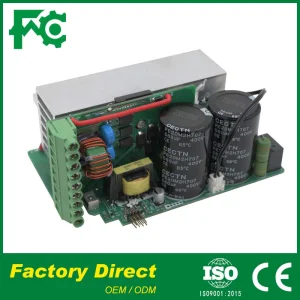
In modern industrial applications, the current sensor operates as the fundamental nervous system of advanced power electronics. As power density escalates and global regulations demand greater energy conservation, finding a robust OEM/ODM current sensor factory is not merely a purchasing task, but a strategic decision. Today's global supply chain relies heavily on smart sensing layers to protect system integrity, optimize conversion efficiency, and monitor power quality.
Within the modern renewable energy landscape, current sensing devices act as the core control component inside high-frequency solar inverters, dynamic variable frequency drives (VFDs), and smart grid power nodes. The transition to Wide Bandgap (WBG) semiconductors like Gallium Nitride (GaN) and Silicon Carbide (SiC) requires sensors with much higher bandwidths, ultra-low thermal drift, and high electromagnetic immunity. Selecting the right current sensor factory involves analyzing their manufacturing capabilities, design tolerances, and quality verification standards under actual operating temperatures.
Utilizing open-loop and closed-loop architectures to provide high galvanic isolation, wide measurement bands, and long-term reliability under severe vibration and temperature cycling.
For extreme precision applications where offset error and drift must be near zero, fluxgate magnetic modulation delivers the level of accuracy needed for lab equipment and grid metering.
Modern sensors feature integrated analog-to-digital converters (ADCs), outputting digital signals directly over CAN, SPI, or RS-485, preventing external EMI interference in complex machine bays.
Global procurement teams prioritize component longevity and stability in solar, wind, and electric drive projects. When searching for current sensor factories, strategic buyers analyze key technical variables:
Driven by Innovation, Powered by Expertise
Shenzhen NovaVolt Service Co., Ltd. is dedicated to becoming a leading global provider of advanced solar inverter and energy solutions. Backed by over 20 years of experience in industrial electrical control systems, NovaVolt combines deep technical expertise with a forward-looking innovation strategy to deliver reliable, high-performance products to customers worldwide.
Our strength lies in a highly skilled R&D team, composed of senior engineers with extensive experience in power electronics and product development, including professionals from globally recognized Fortune 500 companies. With a portfolio of more than 30 technical patents, we continuously invest over 10% of our annual revenue into research and development—ensuring ongoing breakthroughs in efficiency, system stability, and intelligent energy management.
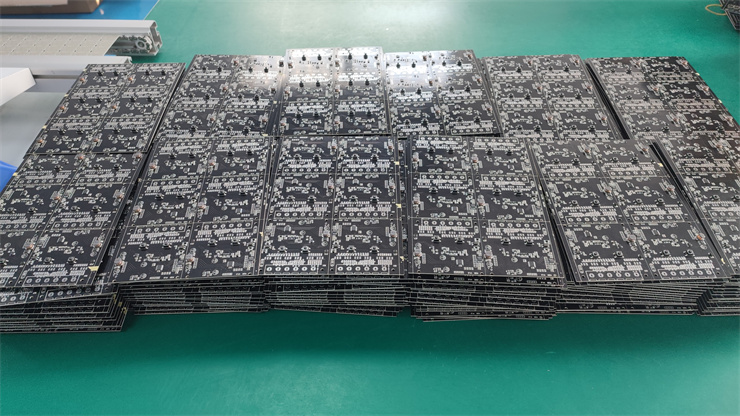
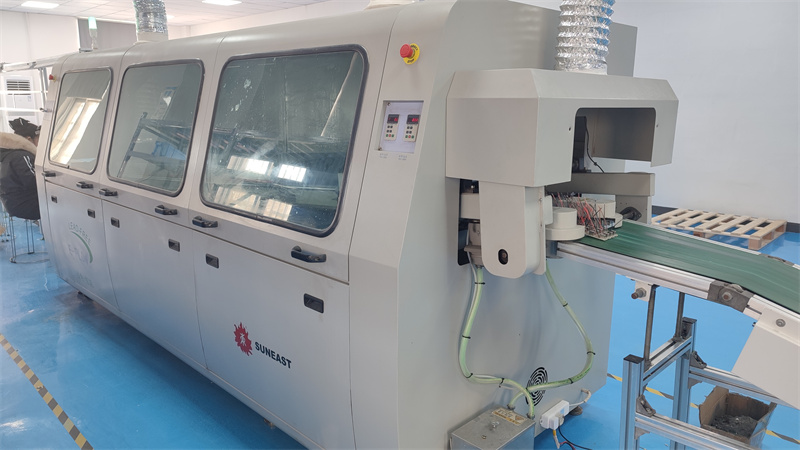
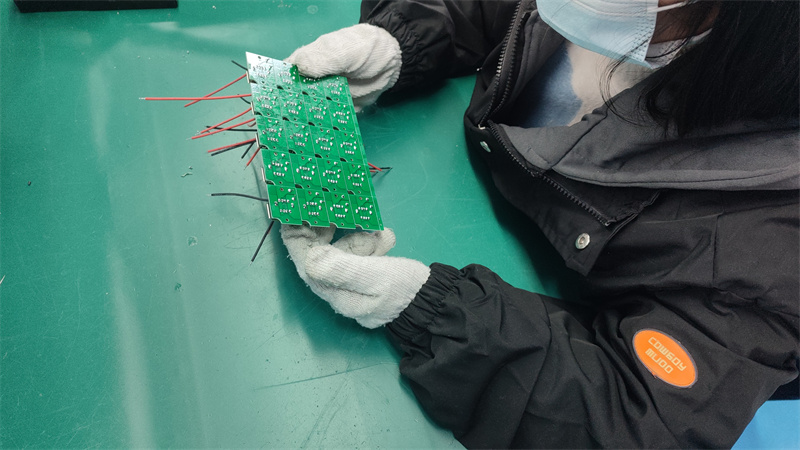
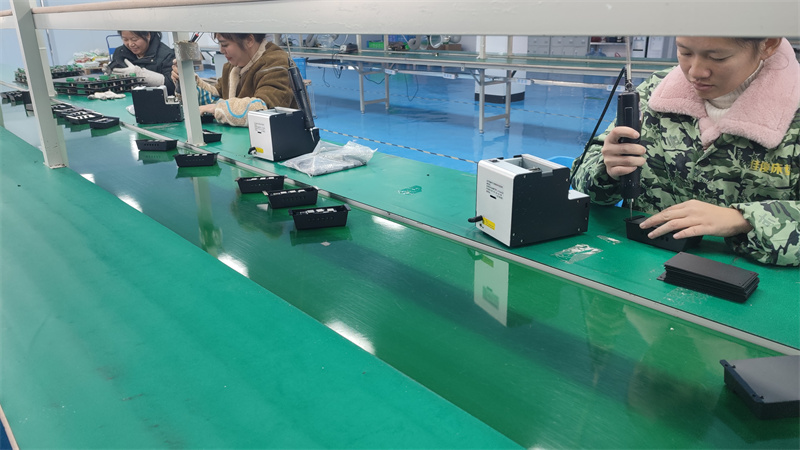
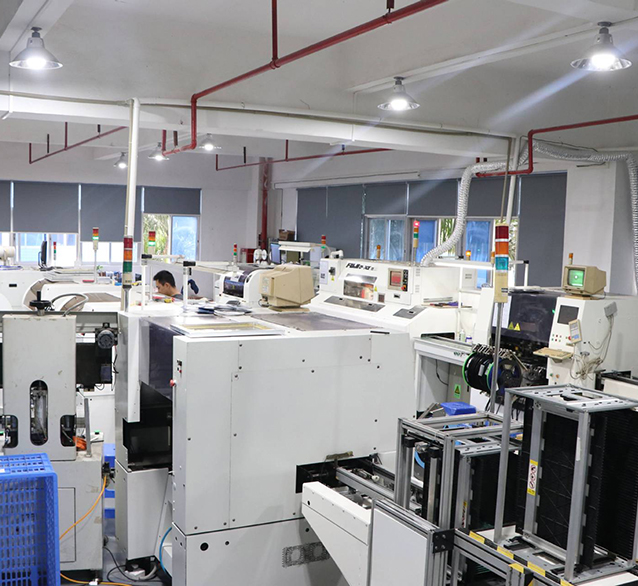
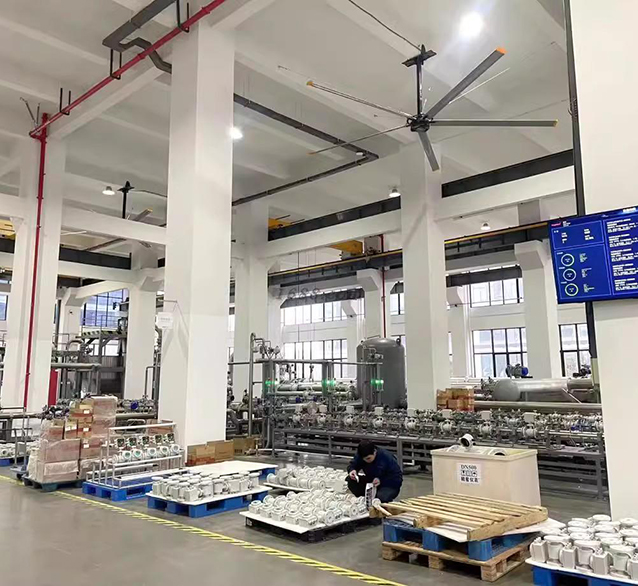
At NovaVolt, quality is not just a standard—it is a commitment embedded in every stage of our operations. We implement a comprehensive quality management system that covers the entire product lifecycle, from initial design validation to after-sales optimization. Our manufacturing process follows strict international standards. Each PCBA undergoes more than ten critical processes, including solder paste printing, SMT placement, reflow soldering, and AOI (Automated Optical Inspection). Every step is executed with precision craftsmanship, ensuring superior product consistency, durability, and long-term reliability.
NovaVolt embraces intelligent manufacturing to deliver exceptional product performance. Our advanced production lines are equipped with automated AOI systems, PLC/IPC-based intelligent testing platforms, and real-time data acquisition systems. Through a fully integrated ERP management system, we achieve complete traceability across the entire production process—from raw material sourcing to final delivery. This digitalized and data-driven approach enhances operational efficiency, minimizes errors, and guarantees consistent product quality at scale.

In industrial electrical control design and power electronic integration.
Of yearly revenue is systematically reinvested into technological innovation.
For system topologies, precision sensor integration, and inverter layouts.
Achieved via our custom digitalized ERP system for components and calibration.
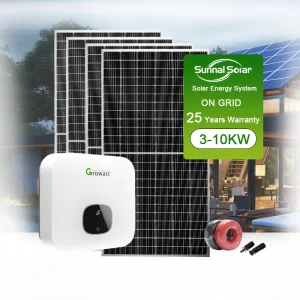
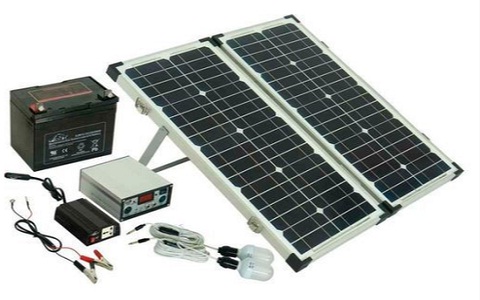
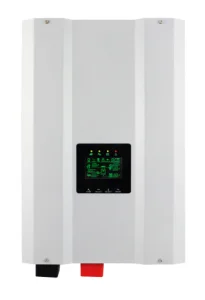
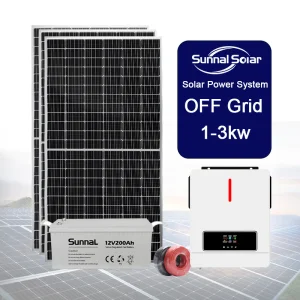
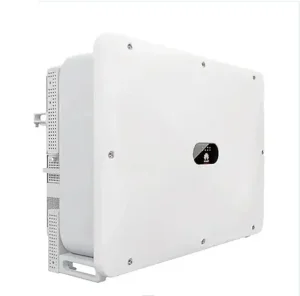
In grid-tied and hybrid solar installations (ranging from 3kW, 5kW up to 10kW systems), current sensors are critical for Maximum Power Point Tracking (MPPT) loops and output current regulation. They accurately capture high-frequency current profiles to align the phase of injected AC power with grid standards, keeping Total Harmonic Distortion (THD) low. Proper sensing safeguards switching transistors from DC injection faults, maintaining grid compliance and stability.
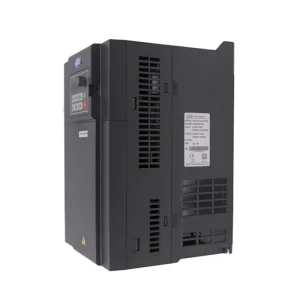
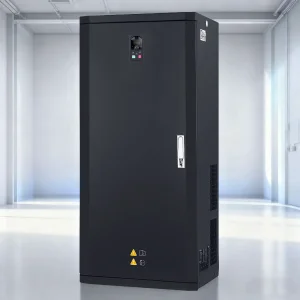
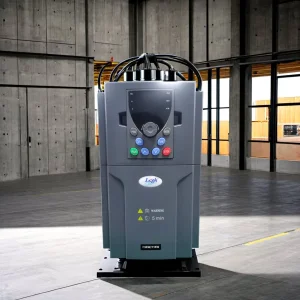
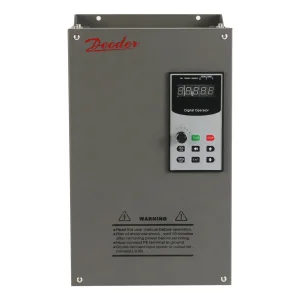
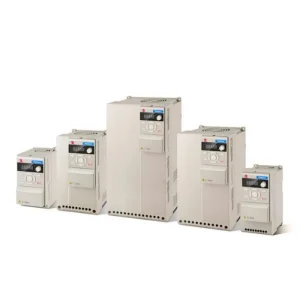
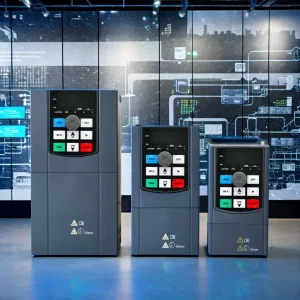
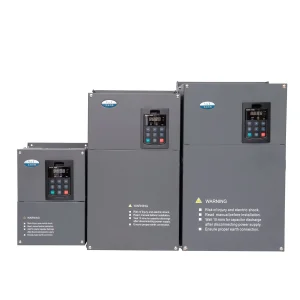
Variable Frequency Drives (VFDs) from 0.4kW up to 200kW require continuous monitoring of stator phase currents. Sourcing reliable closed-loop sensors helps control torque and speed accurately while protecting motors. The sensing elements detect rapid overcurrent conditions within microseconds, preventing failures in power electronics modules during phase-to-phase short circuits or sudden mechanical overloads.
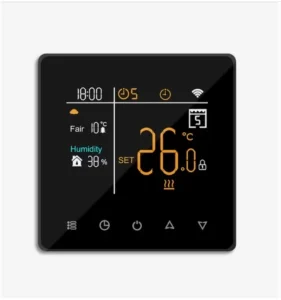
Modern IoT-enabled temperature and environmental controllers rely on precise current sensing for diagnostic monitoring. In commercial buildings, analyzing current draw anomalies helps detect heating element failures, cooling system blockages, or mechanical degradation before system breakdowns occur, supporting efficient predictive maintenance schemes.
Microgrids using diesel generator sets paired with hybrid solar inverters require coordinated control loops. Integrated current sensors monitor real-time loads and battery charge/discharge rates, supporting stable operation. These sensors provide the data needed for load-sharing algorithms, maintaining voltage stability during changes in wind and solar output.
Empowering a Sustainable Energy Future
At NovaVolt, we believe our mission extends beyond manufacturing inverters. We are committed to enabling a smarter and more sustainable energy ecosystem. By leveraging cutting-edge technology, we maximize the utilization of solar energy—transforming every ray of sunlight into stable, efficient, and clean power.
We strive to build long-term partnerships with our customers, delivering not only products but also trust, innovation, and value. Together, we are shaping a greener, low-carbon future for generations to come.
Open-loop current sensors measure the magnetic field directly and are cost-effective, light, and power-efficient, though they are subject to thermal drift over temperature variations. Closed-loop current sensors feed a compensation current back through a secondary coil to keep the magnetic flux at zero. This method offers high linearity, low temperature drift, and fast response times, making it ideal for variable frequency drives (VFDs) and high-performance solar inverters.
Reliability is ensured through rigorous simulation, high-quality components, and strict manufacturing standards. This includes choosing magnetic cores with minimal hysteresis, using automated optical inspection (AOI) after SMT, and testing under thermal stresses. Comprehensive tracing through an ERP system verifies that each sensor meets high isolation voltage standards before final shipment.
Fast response times allow system controllers to detect faults, like output short-circuits or grid surges, in microseconds. This rapid detection enables the system to shut down switching devices, preventing catastrophic failure of IGBTs or MOSFETs. Fast response is also key for maintaining smooth control loop feedback in MPPT stages under variable sunlight.
Customization options include adjusting input current ranges, tailoring connector types and mounting geometries (such as PCB mount, busbar, or panel mount), modifying response times, and adding specific analog or digital output interfaces. Specialized factories can also adapt magnetic shielding to minimize interference from nearby components.
Current sensors provide galvanic isolation to prevent high-voltage faults from reaching control electronics. Meeting international safety standards requires appropriate clearance and creepage distances in the sensor's design. This ensures reliable insulation, helping developers qualify their end systems for global compliance certifications.
Yes, both Hall-effect and fluxgate current sensors are inherently bidirectional. They can measure both positive charge currents and negative discharge currents, providing precise data on state-of-charge (SoC) and state-of-health (SoH) for battery management units.





 NovaVolt Service