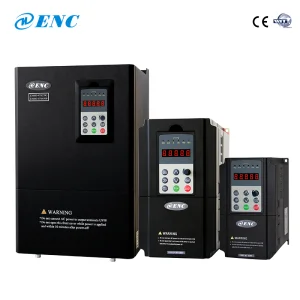
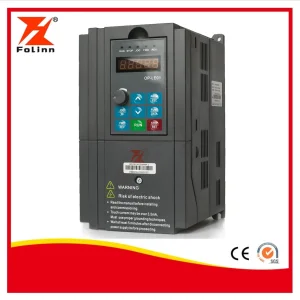
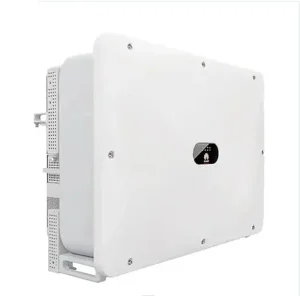
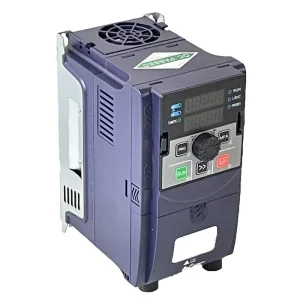
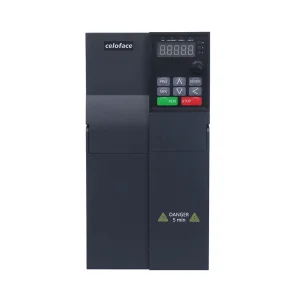
High-precision Variable Frequency Drives (VFDs), intelligent room controllers, and solar-hybrid power modules engineered for seamless building automation and energy optimization.
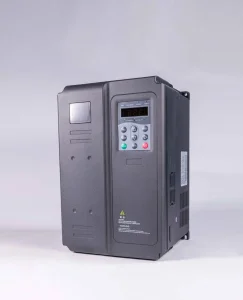
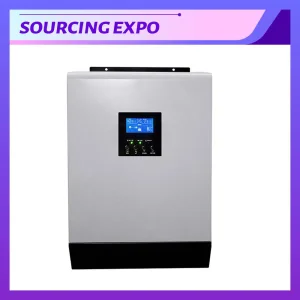

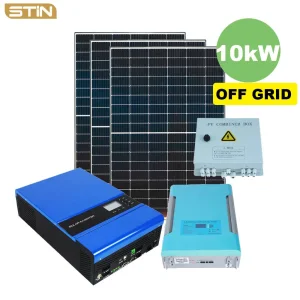

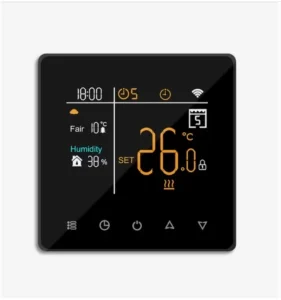
How modernized lighting control hardware, IoT protocol convergence, and high-precision OEM supply chains drive sustainable building transformation.
The global commercial and industrial building landscape is undergoing an unprecedented digital overhaul. Intelligent Lighting Control Systems (ILCS) have transcended their traditional role as simple illumination switches to become the core sensory neural network of modern smart facilities. Today’s top lighting control system manufacturers do not merely produce dimmers or relay panels—they architect robust, interoperable, energy-aware ecosystems that mesh seamlessly with Building Management Systems (BMS), Internet of Things (IoT) platforms, and renewable microgrids.
“Modern lighting control architectures integrate advanced power electronics, granular daylight harvesting, dynamic occupancy mapping, and decentralized intelligence to cut facility energy consumption by up to 65% while enhancing human thermal and optical comfort.”
From compliance with strict global decarbonization mandates—such as ASHRAE 90.1, California Title 24, and Europe’s EN 12464-1—to achieving LEED and WELL building certifications, procurement leaders and electrical contractors demand absolute hardware precision, protocol flexibility, and manufacturing transparency. Partnering with an established OEM/ODM manufacturer in China provides global enterprises with direct access to advanced SMT automated production lines, accelerated product iteration, and unparalleled supply chain resilience.
Driven by Innovation, Powered by Expertise – Engineering World-Class Power Electronics & Smart Energy Automation
Shenzhen NovaVolt Service Co., Ltd. is dedicated to becoming a leading global provider of advanced solar inverter, frequency drive, and intelligent energy control solutions. Backed by over 20 years of experience in industrial electrical control systems, NovaVolt combines deep technical expertise with a forward-looking innovation strategy to deliver reliable, high-performance products to customers worldwide.
Our strength lies in a highly skilled R&D team, composed of senior engineers with extensive experience in power electronics and product development, including professionals from globally recognized Fortune 500 companies. With a portfolio of more than 30 technical patents, we continuously invest over 10% of our annual revenue into research and development—ensuring ongoing breakthroughs in efficiency, system stability, and intelligent energy management.
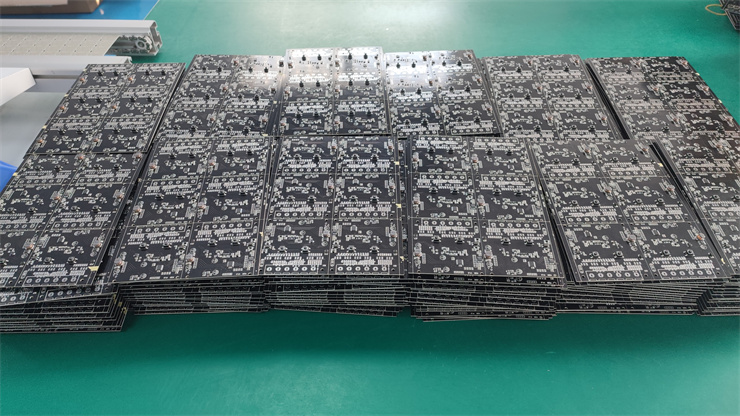
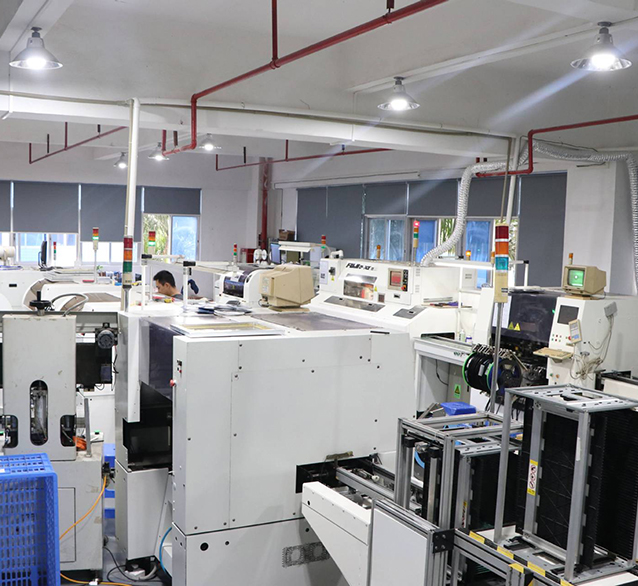
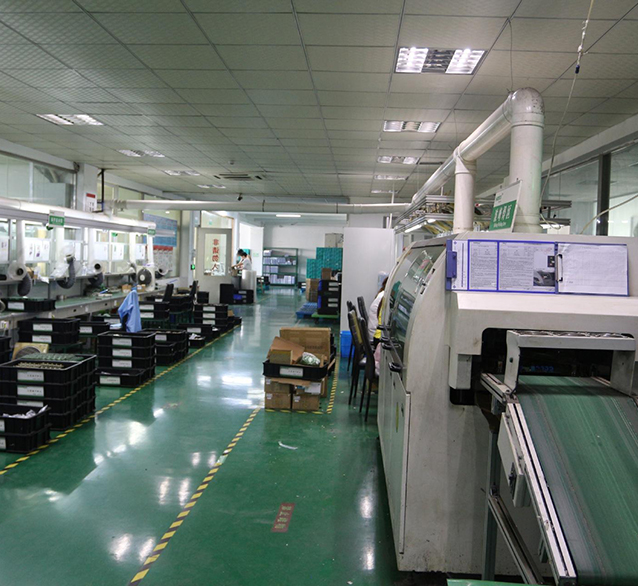
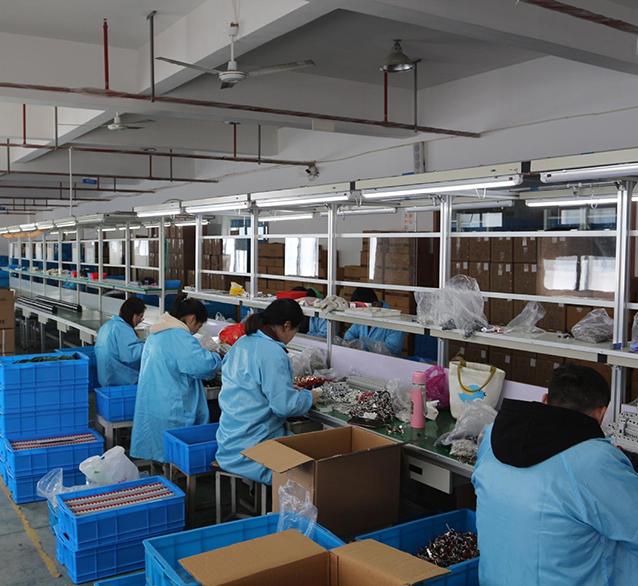
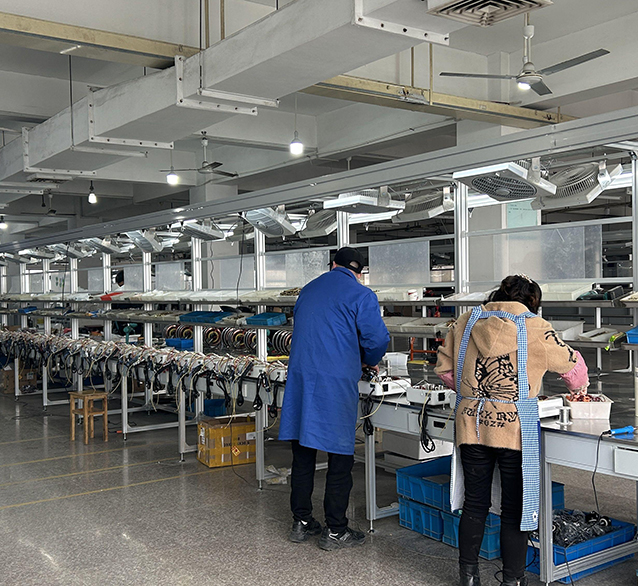
At NovaVolt, quality is not just a standard—it is a commitment embedded in every stage of our operations. We implement a comprehensive quality management system that covers the entire product lifecycle, from initial design validation to after-sales optimization. Our manufacturing process follows strict international standards. Each PCBA undergoes more than ten critical processes, including solder paste printing, SMT placement, reflow soldering, and AOI (Automated Optical Inspection). Every step is executed with precision craftsmanship, ensuring superior product consistency, durability, and long-term reliability.
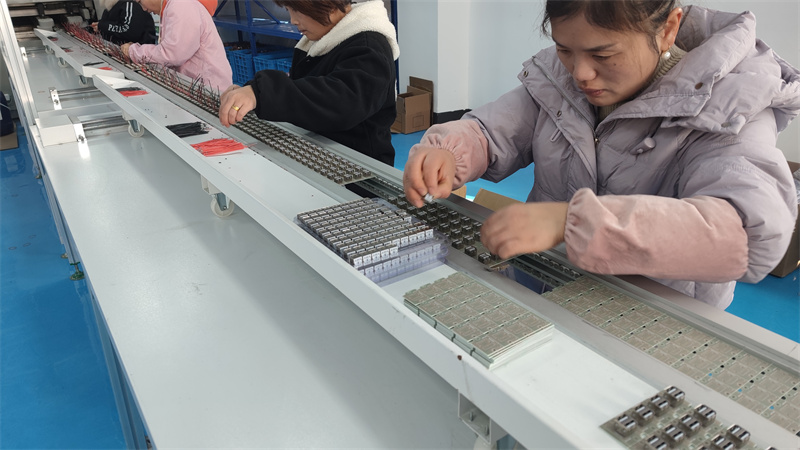
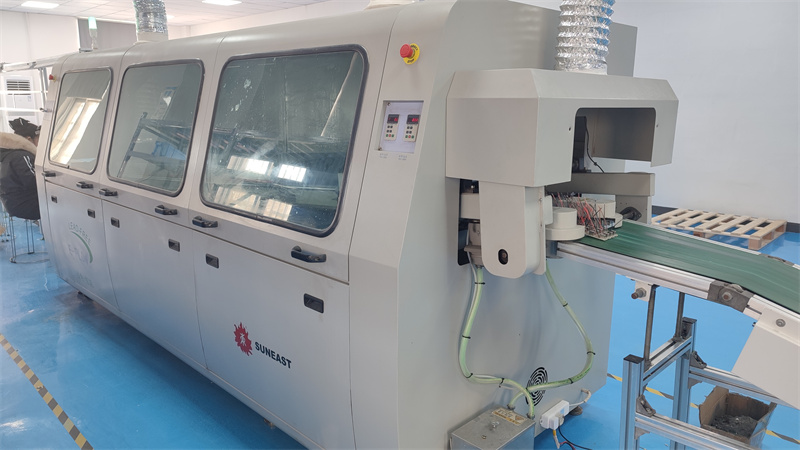
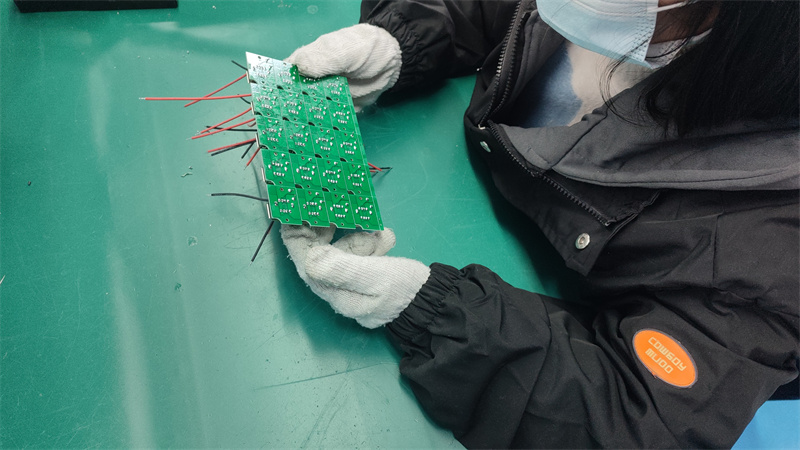
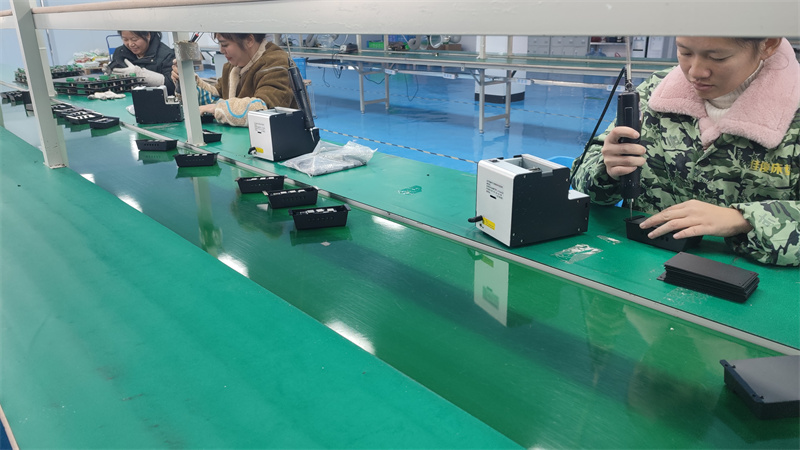
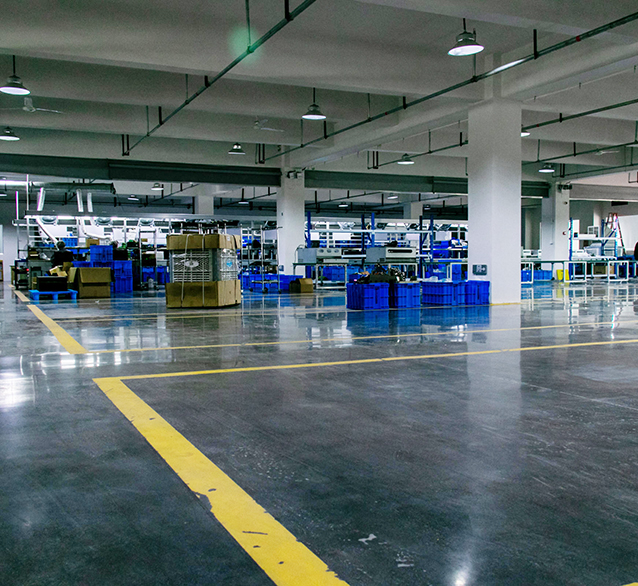
NovaVolt embraces intelligent manufacturing to deliver exceptional product performance. Our advanced production lines are equipped with automated AOI systems, PLC/IPC-based intelligent testing platforms, and real-time data acquisition systems. Through a fully integrated ERP management system, we achieve complete traceability across the entire production process—from raw material sourcing to final delivery. This digitalized and data-driven approach enhances operational efficiency, minimizes errors, and guarantees consistent product quality at scale.
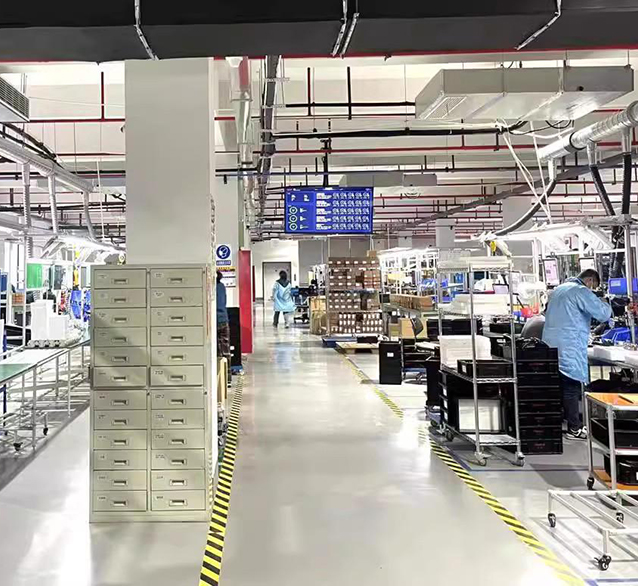
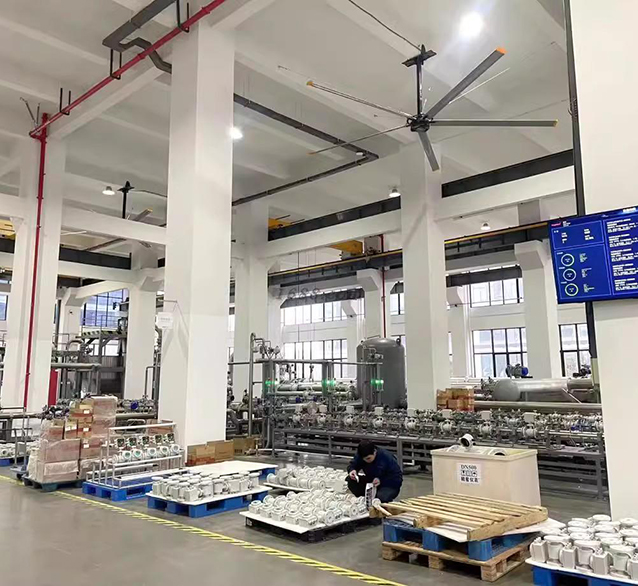
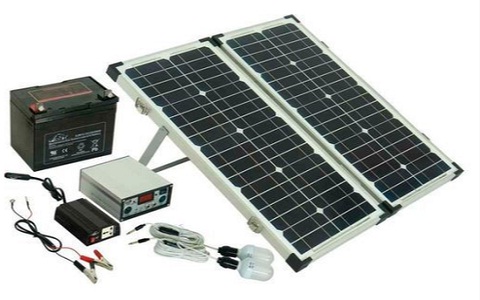
At NovaVolt, we believe our mission extends beyond manufacturing inverters and drives. We are committed to enabling a smarter and more sustainable energy ecosystem by merging lighting controls with microgrids.
Unmatched component availability, agile engineering turnaround, scale economies, and cutting-edge digital assembly platforms.
Shenzhen and the Pearl River Delta host the world's most consolidated hardware ecosystem. From semiconductors and magnetic components to aluminum heat sinks and injection molds, raw materials are sourced locally within hours, cutting lead times drastically.
With dedicated Fortune 500-backed engineering teams, Chinese OEM partners offer rapid customization of communication protocols (DALI-2, Zigbee 3.0, Matter, KNX), custom PCB layout designs, enclosure branding, and tailored software APIs.
By implementing automated SMT placement, inline 3D AOI inspection, automated wave soldering, and 100% full-load burn-in aging tests, top manufacturers guarantee micro-level defect rates and international compliance (CE, UL, RoHS).
From static switching to intelligent dynamic illumination and distributed renewable grid connectivity.
Modern lighting controls sync indoor illumination with natural circadian rhythms. By precision-adjusting correlated color temperature (CCT from 2700K to 6500K) and light intensity, intelligent control nodes improve cognitive performance in offices and accelerate recovery in healthcare environments.
The market is rapidly converging toward hybrid wired/wireless solutions. DALI-2 and D4i provide standardized wired ballast diagnostic metrics, while Bluetooth Mesh, Zigbee 3.0, and Matter enable effortless retrofitting in existing architectural spaces without complex re-cabling.
Luminaires equipped with integrated daylight and PIR/PIR-Ultrasonic dual-technology sensors act as data nodes. They transmit space utilization metrics, heatmaps, and environmental temperature data directly to cloud platforms for real-time facility management.
Next-generation facilities couple intelligent LED driver arrays with DC microgrids, energy storage systems (ESS), and Variable Frequency Drives (VFDs). Direct DC powering avoids AC-DC inversion losses, maximizing clean energy self-consumption.
Tailored control architectures engineered to meet diverse operational, regulatory, and environmental challenges.
Centralized Management Systems (CMS) connected via NEMA/Zhaga sockets allow municipalities to control thousands of streetlights remotely, scheduling dynamic dimming based on traffic flow and ambient moonlight.
Automated daylight harvesting reduces artificial lighting output near perimeters. Multi-zone occupancy sensing shuts off light and HVAC zones in unoccupied conference rooms, ensuring strict compliance with Title 24 standards.
High-bay luminaires equipped with high-angle occupancy sensors ensure illumination only lights up active forklift aisles. High-power VFDs optimize ventilation motor speeds simultaneously to minimize factory peak demand power spikes.
How unified electrical control architectures bridge smart lighting, HVAC drives, and solar inverters into one coherent energy system.
True energy optimization cannot occur in isolation. Lighting systems represent roughly 20% to 40% of a commercial structure’s total electrical consumption, while HVAC and motor systems driven by Variable Frequency Drives (VFDs) account for another 40% to 50%. Top manufacturing partners like Shenzhen NovaVolt engineer hardware solutions that interface lighting control nodes directly with VFD motor control drives and hybrid solar inverters via industrial RS485 Modbus, CAN-bus, or BACnet protocols.
During peak grid stress, the central facility controller automatically sends shed commands. Lighting levels dim subtly by 15% (imperceptible to human vision), while VFDs slow down pump and fan speeds by 10%, curtailing facility peak electricity costs dramatically.
In critical emergency situations, NovaVolt’s off-grid and hybrid solar inverters seamlessly switch lighting circuits to stored solar energy in milliseconds, keeping emergency egress pathways lit without interruption.
Essential technical and operational benchmarks for procurement directors and engineering leads.
Ensure full compliance with global standards: CE, UL, RoHS, FCC, and ISO9001 quality system approvals for reliable global deployment.
Verify top-tier component sourcing (e.g., Japanese capacitors, solid-state relays) to guarantee operational lifespans exceeding 50,000+ hours.
Demand ERP-integrated production tracking. Every PCBA barcode should map directly to solder temperature logs and AOI test reports.
Evaluate the engineering team's capacity to deliver custom protocol firmware updates, hardware modifications, and enclosures rapidly.
Expert technical insights answering common procurement, integration, and manufacturing queries.
Industrial Vector VFDs, solar pump frequency converters, and hybrid smart power units built for rugged performance.
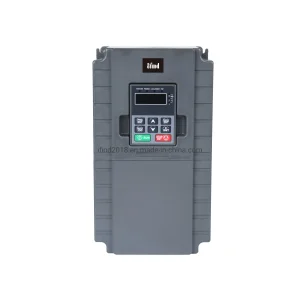
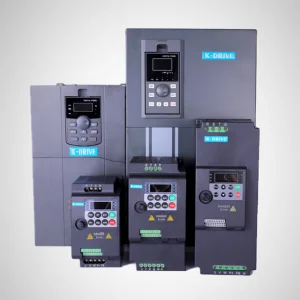
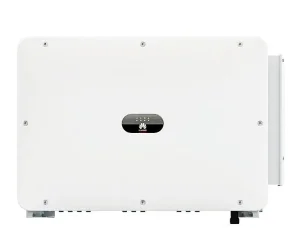
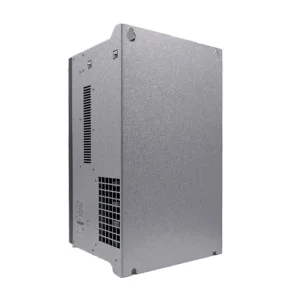
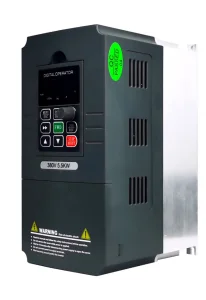
 NovaVolt Service