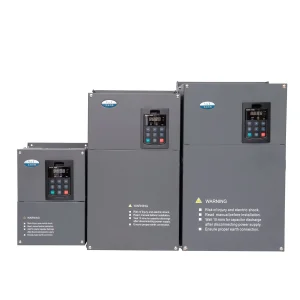
Engineered for robust torque modulation, precision flow regulation, and unmatched operational longevity under harsh industrial conditions.
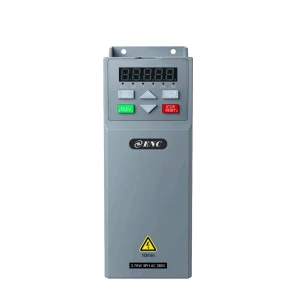
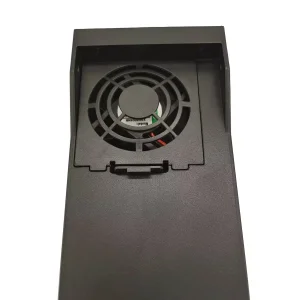
The global industrial landscape is undergoing a decisive transition from traditional fluid-power infrastructure toward intelligent electromechanical motion control. Modern process industries—spanning municipal water treatment, oil and gas, energy generation, HVAC, and automated smart agriculture—demand unprecedented levels of position modulation precision, energy efficiency, and digital connectivity. Electric actuators sit at the apex of this revolution, serving as the critical muscular interface between computerized control algorithms (PLC/DCS/SCADA) and physical flow dynamics.
According to international industrial automation benchmarks, the global market for electric actuators, variable frequency drives (VFDs), and smart motor control panels is accelerating at a compound annual growth rate (CAGR) exceeding 6.8%. Driven by global decarbonization mandates and Industry 4.0 mandates, top-tier global enterprises are phase-out inefficient pneumatic systems—which suffer from up to 70% parasitic energy loss in compressed air networks—in favor of high-efficiency multi-turn, quarter-turn, and linear electric actuators powered by advanced microprocessors.
Evaluating duty cycle performance, precision modulation, total cost of ownership (TCO), and system integration parameters.
| Evaluation Parameter | Electric Actuators (NovaVolt Standard) | Pneumatic Actuators | Hydraulic Actuators |
|---|---|---|---|
| Positioning Accuracy | Ultra-High (≤ 0.1% Full Stroke) via multi-turn encoder feedback | Moderate (± 2-5%), prone to compressibility drift | High (± 0.5%), requires servo valves |
| Energy Conversion Efficiency | 85% - 95% (Direct electrical to kinetic energy) | 15% - 30% (High compressor parasitic loss) | 50% - 65% (Pumping and thermal losses) |
| Modulating Duty Cycle | S1 Continuous / S4 Modulating (Up to 1,200 starts/hr) | Limited by air volume availability & cycling wear | High duty, but constrained by thermal buildup |
| Environmental Risk | Zero Leakage, zero fluid contamination hazard | Exhaust noise, air contamination risk | High hazard from hydraulic fluid leaks & fire risk |
| System Complexity & TCO | Lowest TCO: Direct wire-to-motor simplicity, minimal maintenance | High maintenance: Compressors, dryers, air lines | Highest TCO: Reservoirs, pumps, filters, fluid disposal |
| Smart Communication | Native Modbus, Profibus, CANopen, IoT Edge Integration | Requires electropneumatic positioner conversion | Requires electrohydraulic converter blocks |
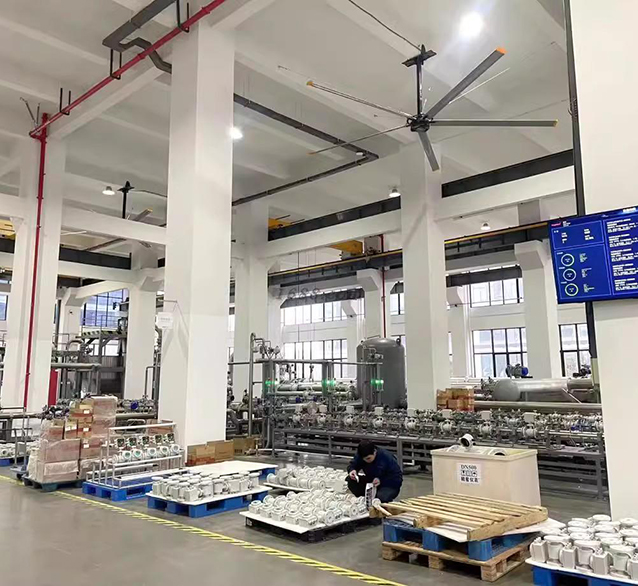
China's manufacturing clusters in Shenzhen, Guangdong, and Zhejiang bring raw materials, high-grade planetary gear machining, brushless DC motors, and power semiconductor fabrication into localized 50-kilometer radiuses. This density slashes component sourcing lead times by up to 60%.
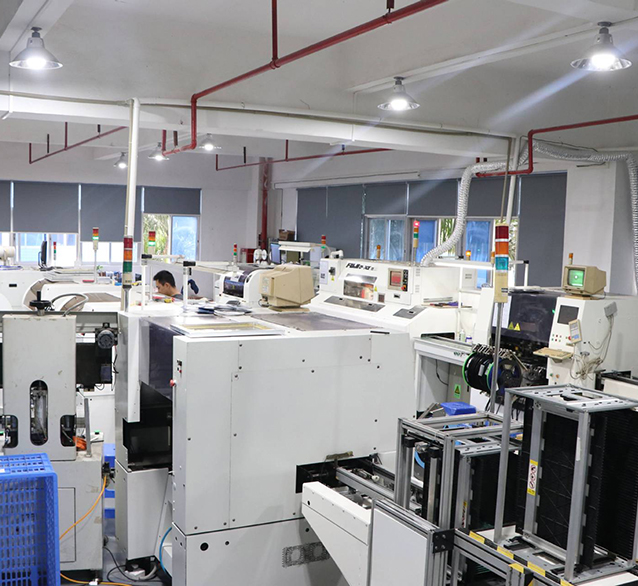
Leading Chinese suppliers implement state-of-the-art Automated Optical Inspection (AOI), surface-mount technology (SMT), and computerized burn-in chambers. This automation delivers Western-grade precision and reliability at optimal capital expenditure.
Unlike rigid European manufacturers bound by 26-week lead times for custom torque profiles or enclosure IP ratings, top Chinese manufacturers offer agile engineering modifications within weeks—adapting control boards, housing geometry, and protocol firmwares seamlessly.
Shenzhen NovaVolt Service Co., Ltd. is dedicated to becoming a leading global provider of advanced solar inverter, electric actuation, and intelligent energy control solutions. Backed by over 20 years of experience in industrial electrical control systems, NovaVolt combines deep technical expertise with a forward-looking innovation strategy to deliver reliable, high-performance products to customers worldwide.
Our strength lies in a highly skilled R&D team, composed of senior engineers with extensive experience in power electronics and product development, including professionals from globally recognized Fortune 500 companies. With a portfolio of more than 30 technical patents, we continuously invest over 10% of our annual revenue into research and development—ensuring ongoing breakthroughs in efficiency, system stability, and intelligent energy management.
At NovaVolt, quality is not just a standard—it is a commitment embedded in every stage of our operations. We implement a comprehensive quality management system that covers the entire product lifecycle, from initial design validation to after-sales optimization.
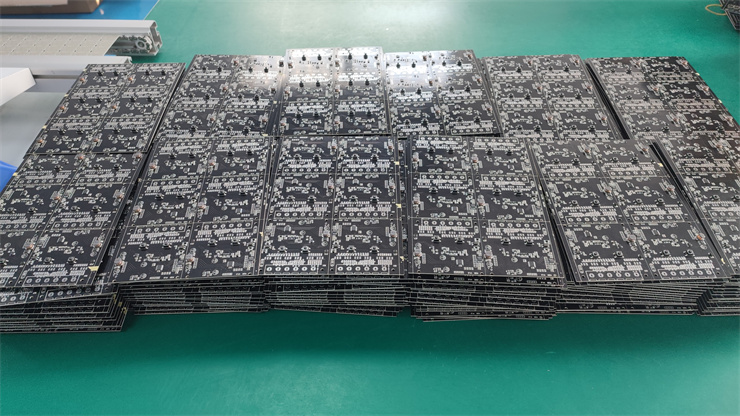
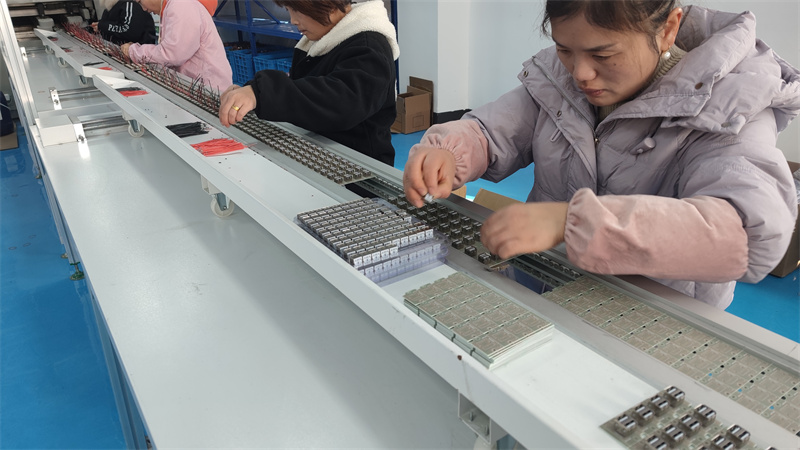
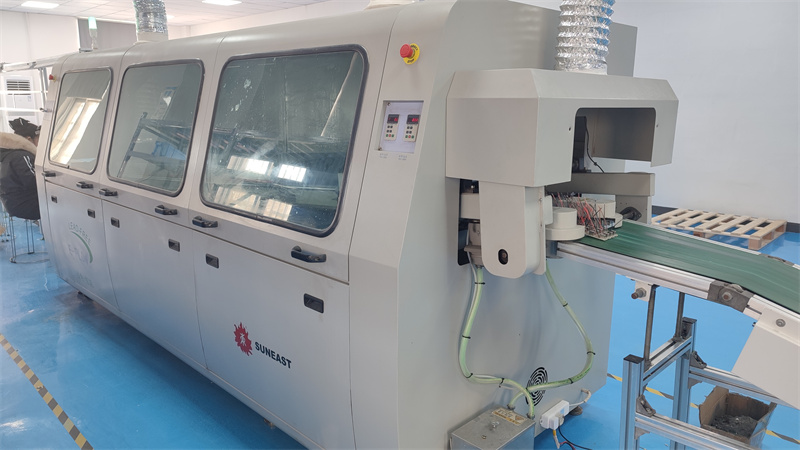
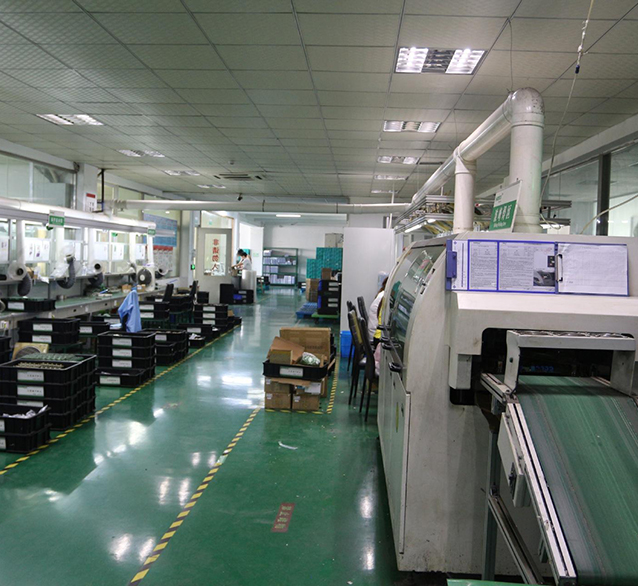
Our manufacturing process follows strict international standards. Each PCBA undergoes more than ten critical processes, including solder paste printing, SMT placement, reflow soldering, and AOI (Automated Optical Inspection). Every step is executed with precision craftsmanship, ensuring superior product consistency, durability, and long-term reliability.
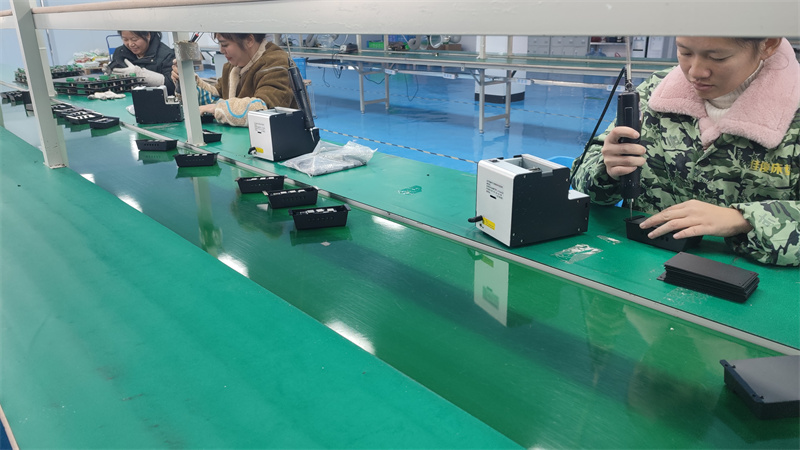
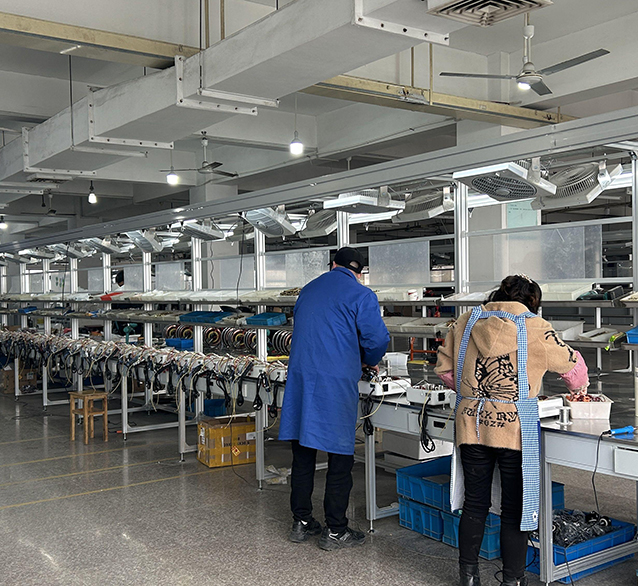
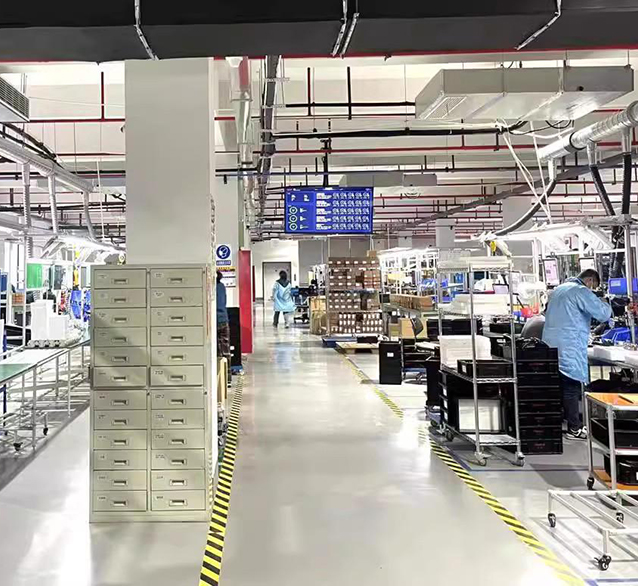
NovaVolt embraces intelligent manufacturing to deliver exceptional product performance. Our advanced production lines are equipped with automated AOI systems, PLC/IPC-based intelligent testing platforms, and real-time data acquisition systems.
Through a fully integrated ERP management system, we achieve complete traceability across the entire production process—from raw material sourcing to final delivery. This digitalized and data-driven approach enhances operational efficiency, minimizes errors, and guarantees consistent product quality at scale.

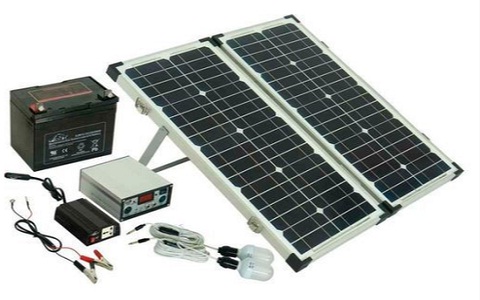
At NovaVolt, we believe our mission extends beyond manufacturing inverters and actuators. We are committed to enabling a smarter and more sustainable energy ecosystem. By leveraging cutting-edge technology, we maximize the utilization of solar energy—transforming every ray of sunlight into stable, efficient, and clean power.
We strive to build long-term partnerships with our customers, delivering not only products but also trust, innovation, and value. Together, we are shaping a greener, low-carbon future for generations to come.


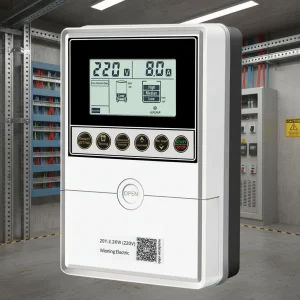
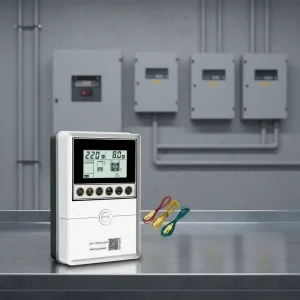
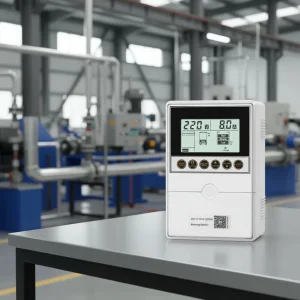
Integrating Automatic Electronic Single/Three-Phase Water Pump Control Panels with intelligent multi-turn electric valve actuators allows municipal water authorities to achieve fully automated constant-pressure water supply. By incorporating precision timing circuits and pressure transducers, pump cycling is minimized, reducing water hammer damage and lowering electrical power draw by up to 28%.
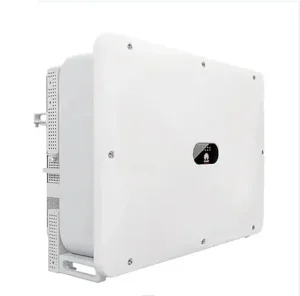
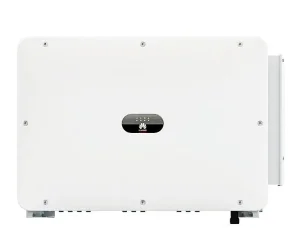
In remote agricultural installations lacking grid coverage, coupling MPPT Solar Pump Inverters (such as the WLD280 & High-Efficiency Solar IP55 VFDs) with DC/AC electric actuators creates zero-emission automated irrigation loops. Solar power is dynamically converted into variable frequency AC motor drive power, dynamically modulating irrigation valve opening angles based on real-time solar radiance.
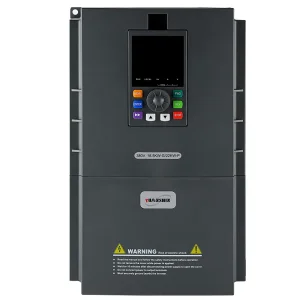
Industrial plastic extrusion and injection molding processes demand severe overload capability and rapid acceleration response. Employing Three-Phase General Purpose VFD AC Motors and heavy-duty electric stroke positioners ensures precise plastic melt pressure regulation and precise clamping stroke repeatability.
Beyond stationary plants, micro-electric actuation technology extends into automotive engineering. Devices like Touch Screen Keys OBD Engine Starters and Universal Smart Remote Actuation Controllers bring CAN-bus protocol integration to specialized utility vehicles, enabling digital remote engine control and door mechanism actuation.
A rigorous framework for procurement directors, system integrators, and OEM buyers evaluating electric actuator and VFD suppliers.
Ensure electric actuator motors utilize Class H or Class F insulation with integrated thermal overload sensors (PT100/PTC). This guarantees continuous duty rating under high ambient temperature conditions (up to 70°C).
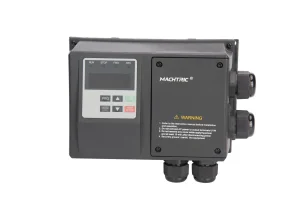
For outdoor or washdown applications, verify IP67 or IP68 certification. High-quality enclosures feature double-sealed terminal compartments to prevent moisture ingress during field wiring.
Demand hardened alloy steel or bronze worm gear transmission systems. High-precision gearboxes limit backlash to < 0.5 degrees, preventing valve chatter in high-velocity modulating liquid lines.
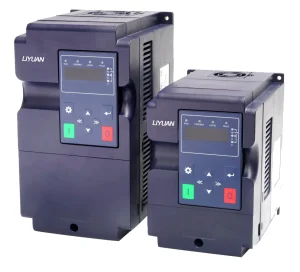
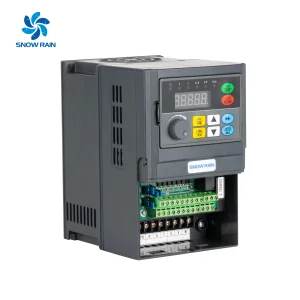
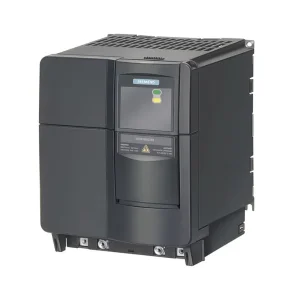
When pairing actuators with VSD/VFD drives (such as low-voltage V9 or Micromaster 440 equivalents), check carrier frequency adjustability (2kHz - 16kHz) to minimize harmonic distortion and motor acoustic noise.
Confirm ISO9001 quality management adherence, automated 100% full-load testing, AOI inspection on control PCBAs, and minimum 48-hour burn-in aging procedures before shipment dispatch.
Verify protocol compliance with standard industrial fieldbuses (Modbus-RTU, Profibus-DP, BACnet). Custom firmware should support dynamic non-intrusive setup via Bluetooth or IR remote interfaces.
Next-generation electric actuators incorporate embedded vibration sensors, temperature probes, and current signature analysis algorithms. By processing motor telemetry at the edge, the actuator predicts gearbox wear, seal degradation, and valve jamming long before failure occurs.
Replacing toxic lead-acid batteries and mechanical return springs, modern electric actuators are adopting solid-state supercapacitor banks. Upon power grid loss, supercapacitors drive the valve to a safe open or closed position with maximum reliability and zero battery maintenance.
Direct integration of high-voltage DC solar inputs into variable frequency drive control systems enables autonomous water management. The drive seamlessly switches between PV solar input and grid AC power, guaranteeing 24/7 operation with maximum renewable energy prioritization.
In-depth technical responses regarding electric actuator selection, VFD commissioning, OEM sourcing, and quality assurance.
Electric actuators provide significantly higher positioning accuracy—often achieving ≤ 0.1% to 0.5% of full-scale stroke—compared to pneumatic actuators which typically range from ± 2% to 5%. Because electric actuators rely on solid-state digital motor controllers, precision gearing, and absolute optical encoders, they eliminate air compressibility errors, stick-slip friction, and pressure drop variations inherent in compressed air networks.
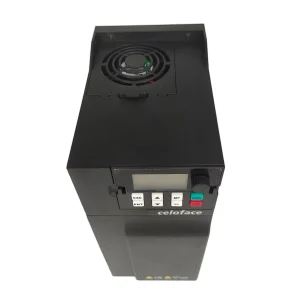
Integrating a Variable Frequency Drive (VFD) allows dynamic speed and torque modulation of the driving electric motor. Instead of operating at a fixed RPM with abrupt starting currents, a VFD-driven electric actuator benefits from soft-starting, customizable opening/closing velocity profiles, and precise torque limiting. This prevents water hammer in liquid pipelines, reduces mechanical stress on valve seats, and extends overall valve life by over 300%.
China possesses the world's most concentrated industrial supply chain ecosystem for power electronics, precision gear machining, and electric motor manufacturing. Enterprise manufacturers like NovaVolt combine complete supply chain localization with automated SMT placement, AOI inspection, and ISO9001 quality management systems. This delivers high-tier technical performance, robust build quality, and rapid OEM/ODM design flexibility at a 30% to 40% total cost of ownership advantage over Western equivalents.
Enterprise buyers should verify: 1) ISO9001 Quality Management System certification for manufacturing process standardization; 2) CE and RoHS compliance for electrical safety and hazardous substance restriction; 3) IP67 or IP68 Ingress Protection test reports for environmental sealing; 4) SIL (Safety Integrity Level 2/3) certification for critical emergency shutdown (ESD) applications; and 5) ATEX/IECEx explosion-proof certification if deploying in hazardous chemical or gas zones.
Maximum Power Point Tracking (MPPT) Solar Pump Inverters dynamically track the voltage-current power curve of solar photovoltaic arrays in real time. As sunlight intensity changes throughout the day, the MPPT algorithm continuously adjusts the inverter's output frequency and voltage to drive standard 3-phase AC water pump motors at maximum kinetic efficiency, yielding up to 99% solar energy conversion without requiring costly battery banks.
Standard catalog products typically ship within 5 to 10 working days. For customized OEM/ODM projects involving custom housing colors, tailored mounting flanges (ISO 5211 standards), special voltage inputs (e.g., 24VDC, 110VAC, 380VAC), or proprietary RS485 communication protocols, prototype samples are generally delivered within 2 to 3 weeks, with scalable bulk production lead times of 3 to 4 weeks. MOQ thresholds are flexible depending on component customization depth.
NovaVolt implements rigorous quality control across 10+ PCBA production steps, including automated optical inspection (AOI), wave soldering, conformal coating for humidity/chemical isolation, and full-load thermal burn-in testing. Furthermore, all physical enclosures undergo pressure decay leak testing and high-vibration stress screening to ensure zero component failure under industrial operating conditions.
Explore our complete portfolio of energy-efficient VFDs, smart vehicle remotes, solar controllers, and industrial drive systems.

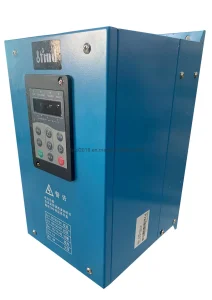
 NovaVolt Service