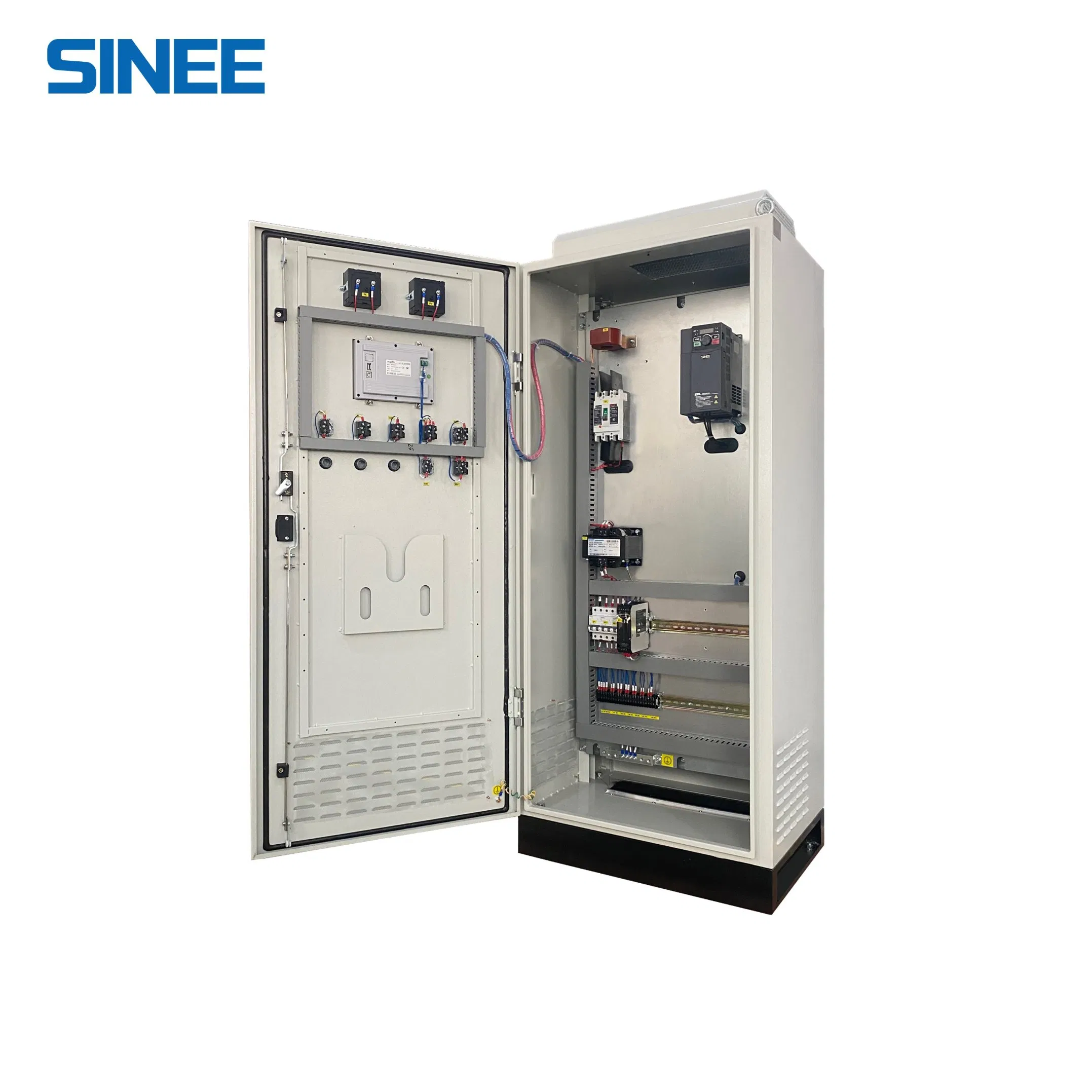
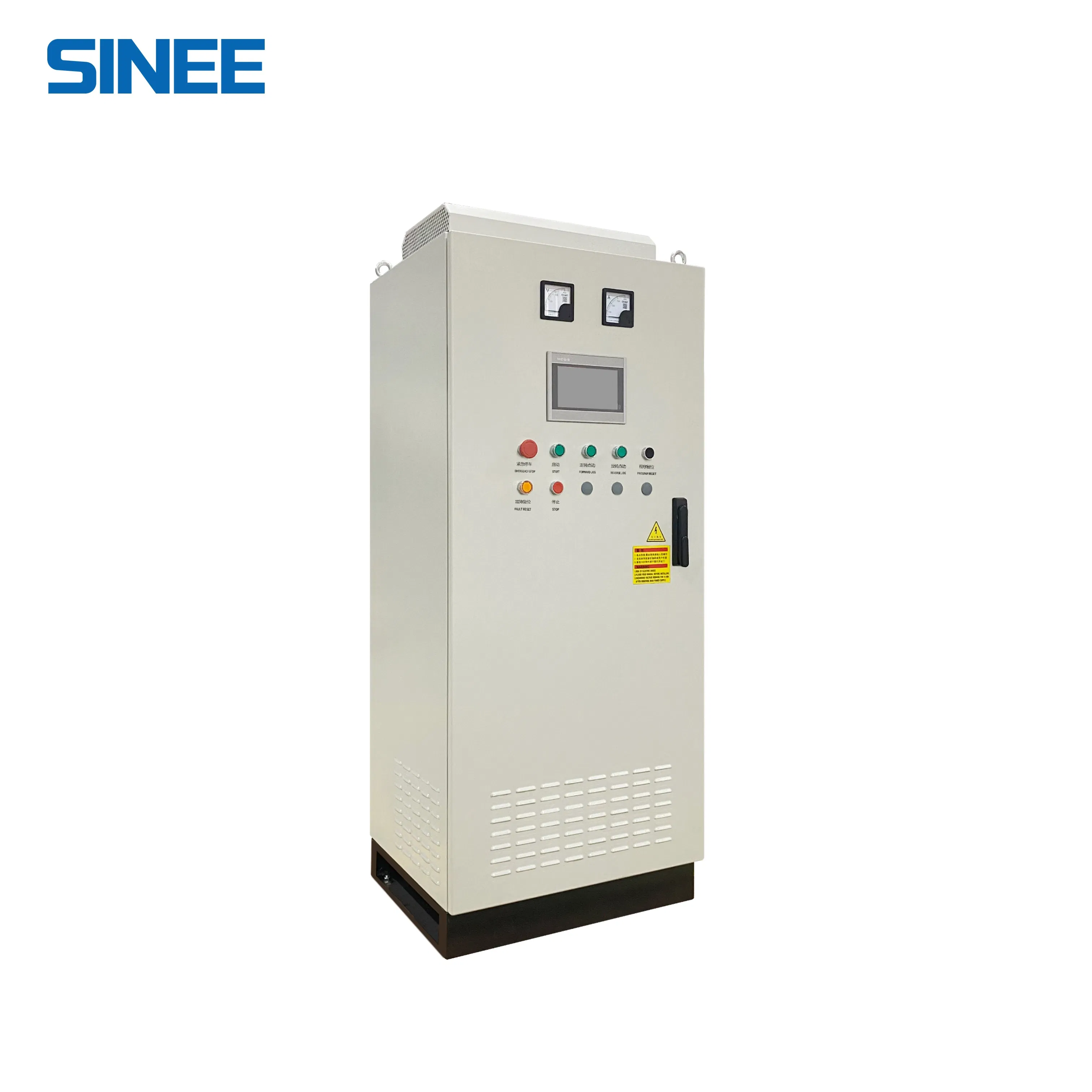
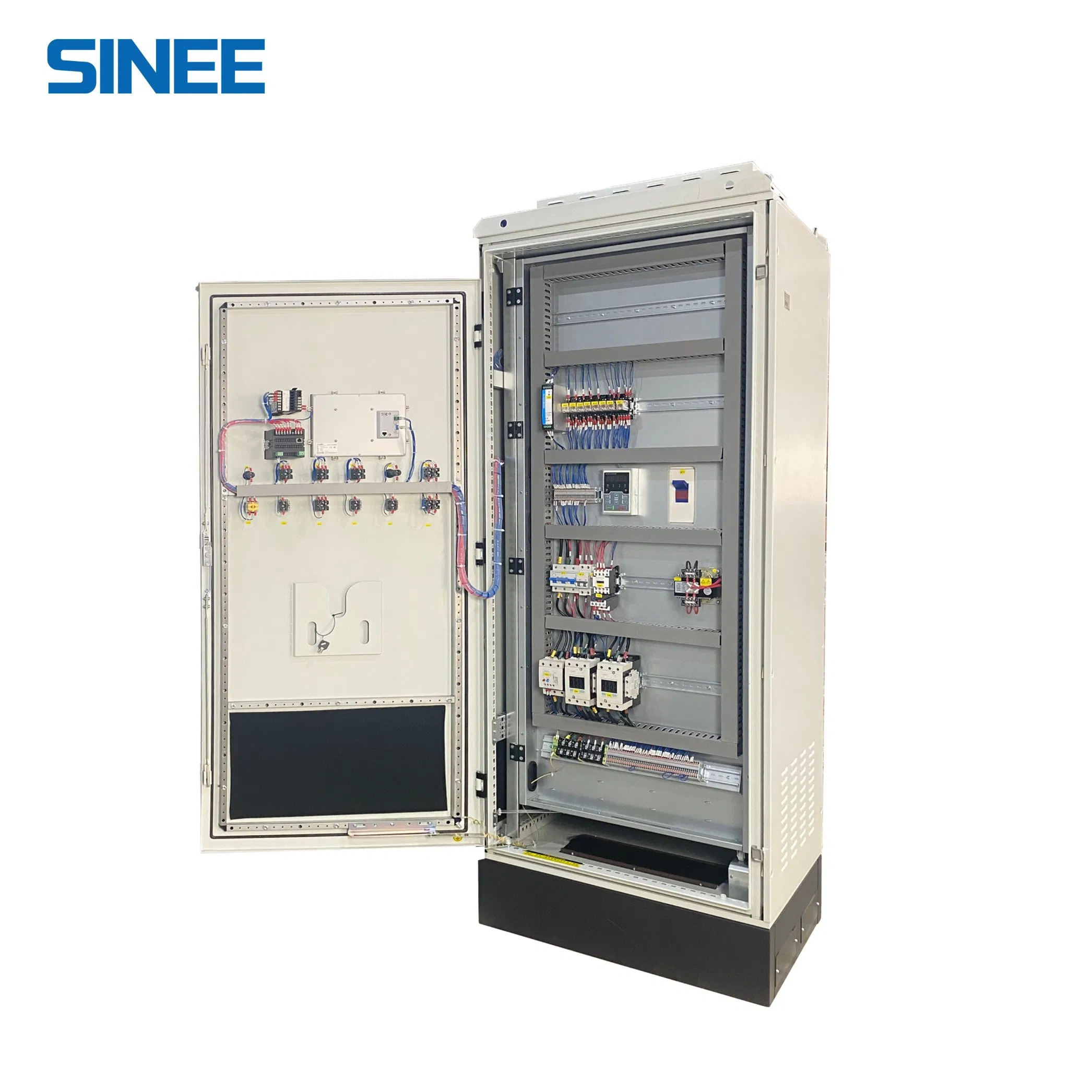
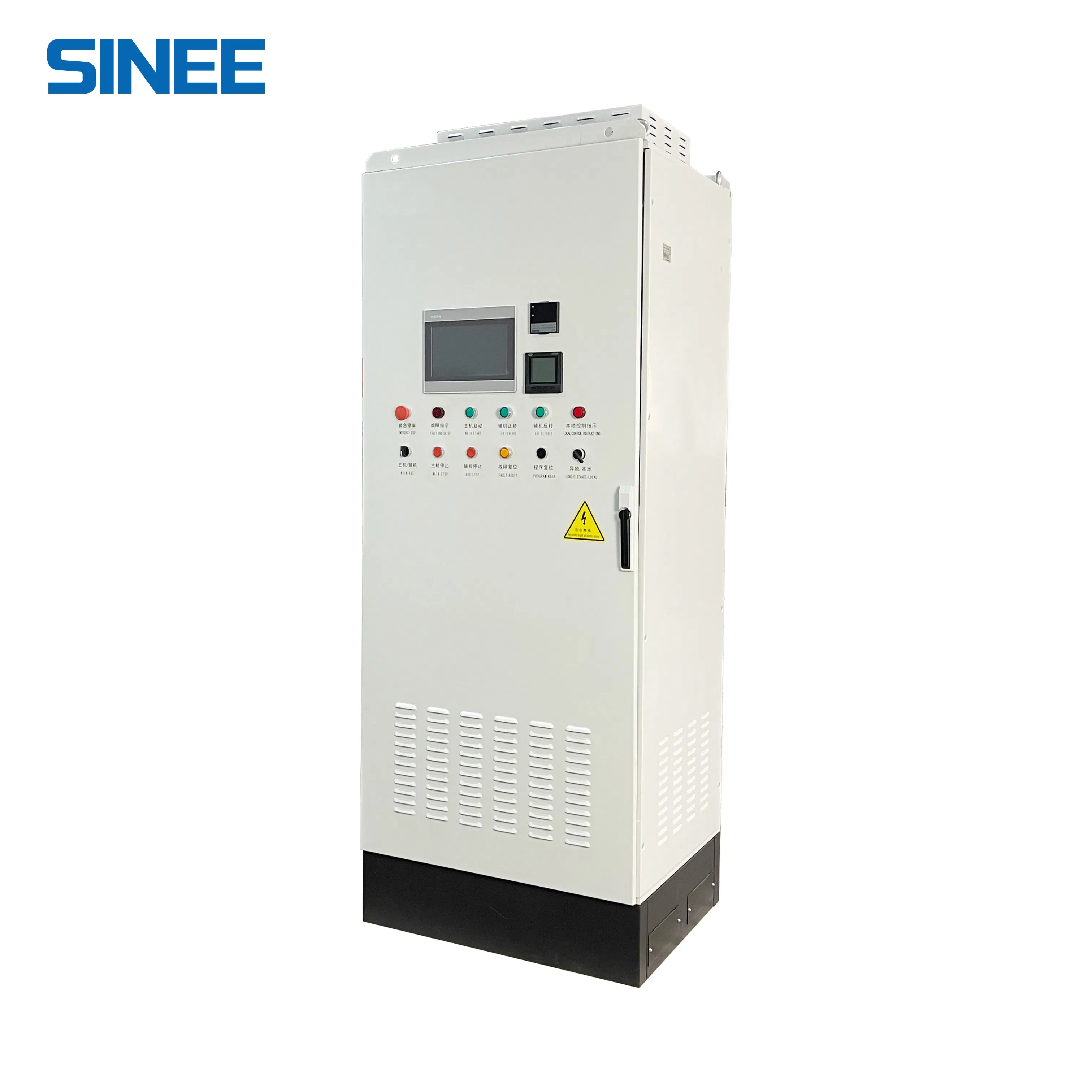
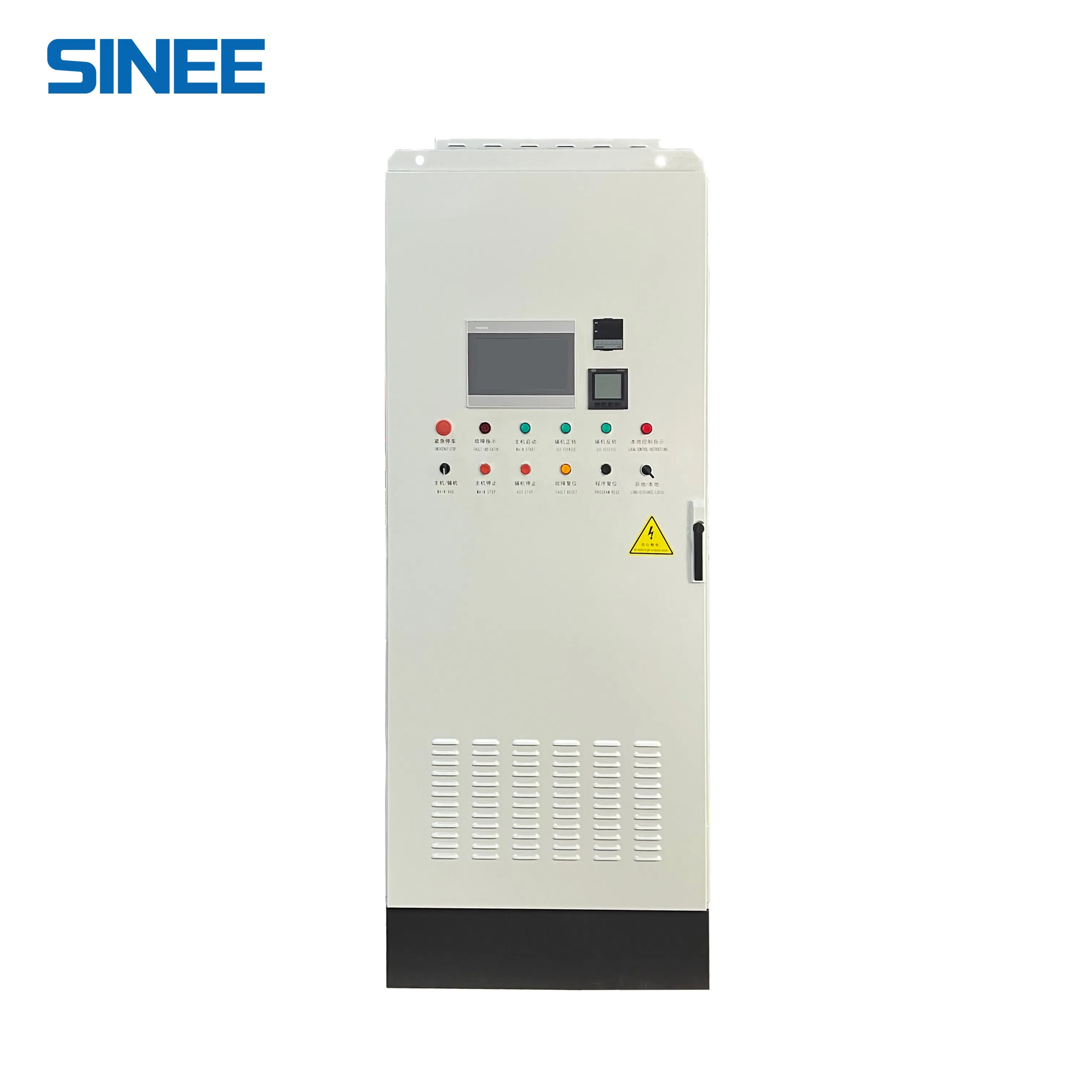
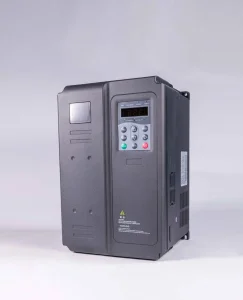
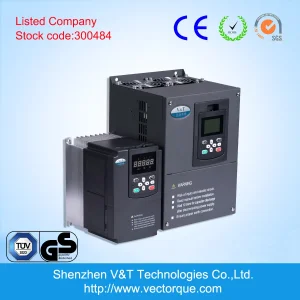
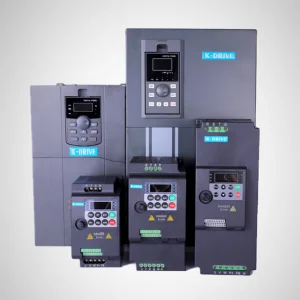
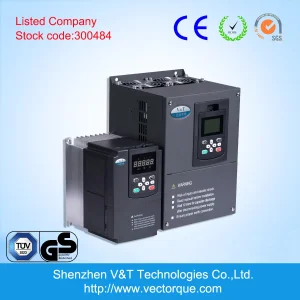
High Voltage Frequency Inverter VSD Dedicated VFD with DC Reactor

Customization: Available
Application: Dedicated VFD
Output Type: Triple

Product Description

Basic Information
Model NO.
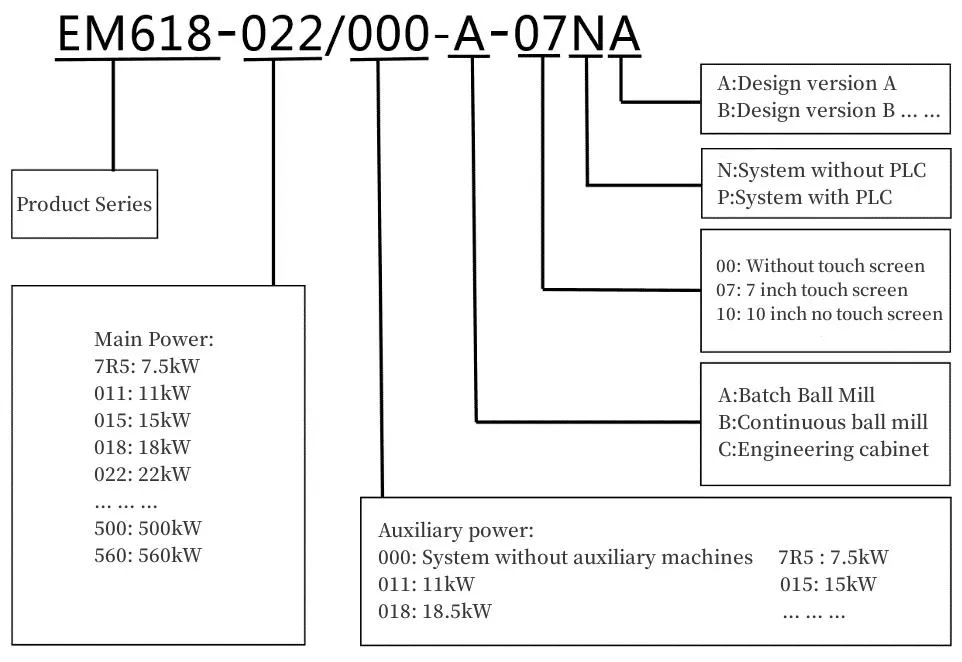
EM618
Principle of Work
Vector Control Transducer
Switch Mode
PWM Control
Main Circuit Type
Voltage
Power Supply
Medium Voltage Variable-Frequency Drive
Transformation Link
AC-AC Variable-Frequency Drive
Nature of DC Power
Voltage Variable-Frequency Drive
Function
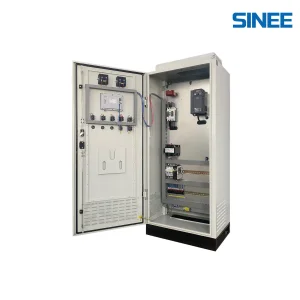
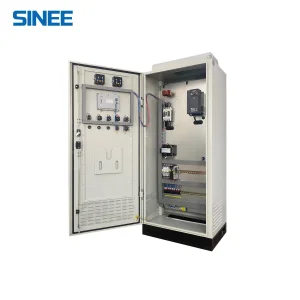
Engineering Cabinet VFD
Control Methods
V/F and Vector Control
Production Capacity
400,000 sets/Year
Product Description
⚙️ High Voltage Frequency Inverter VSD Dedicated VFD
  • Stable operation with low frequency and high torque: 0.5Hz/150% rated torque output smoothly for trouble-free startup.
  • Convenient man-machine interface (touch screen) for setting multi-segment running time and frequencies.
  • Excellent current limiting ability: Ensures the control cabinet does not trip during frequent load fluctuations.
  • Wide voltage input range with automatic voltage stabilization to meet torque requirements during grid drops.
  • Wide range of speed adjustment: Ideal for light-load high-speed and heavy-load low-speed equipment.
  • Integrated Modbus communication interface for real-time status monitoring.
  • Instantaneous power failure non-stop function with energy feedback capability.
  • Optimized compatibility: No need to enlarge capacity when adapted to motors of the same power.
High Voltage Frequency Inverter
Product Features Detail
Operation Guide & Parameters
Steps Operation Content
Installation Check the power of the special frequency conversion control cabinet and install as required.
Wiring Wiring as per standard requirements for ball mill special frequency conversion control cabinets.
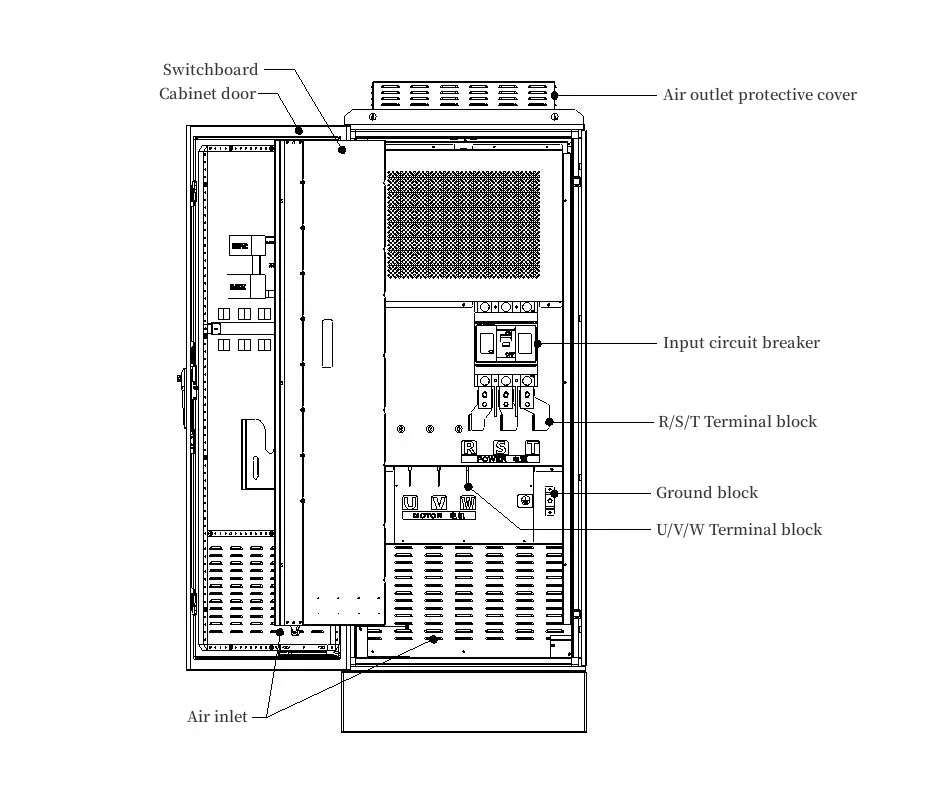
Pre-Power Check Confirm input power supply circuit breaker; ensure grounding; verify R, S, T input and U, V, W output terminals; verify unloaded motor status.
Power-on Check Verify no abnormal sound, smell, or smoke; check power indicator and operation panel status.
Parameter Settings Restore factory values for initial operation or motor replacement before setting new parameters.
Motor Identification Enter nameplate parameters correctly. Perform static self-identification if motor load cannot be disengaged.
Control Settings Set rotation direction, acceleration/deceleration time, V/F curve, and torque boost based on load requirements.
Test Run Conduct no-load test run followed by gradual load increase to confirm system stability.
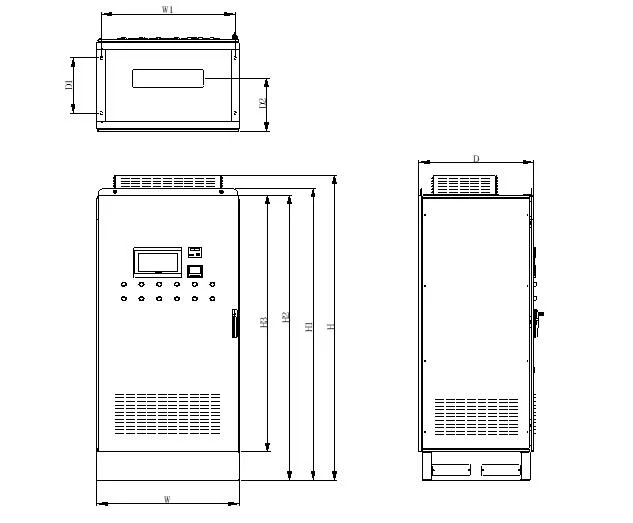
Installation Instructions
Installation Diagram 1 Installation Diagram 2
Model W W1 H H1 D D1 d
EM618-185~220 800 756 2145 2055 650 390 13
EM618-250~355 800 756 2145 2055 650 390 13
EM618-400 800 756 2145 2055 700 440 13
Manufacturing Gallery
Manufacturing Detail
Frequently Asked Questions
What are the primary control methods for the EM618 series?
The EM618 supports both V/F (Voltage/Frequency) control and advanced Vector Control modes to suit different industrial requirements.
How does the VFD handle low-frequency operation?
It provides stable operation at low frequencies, capable of outputting 150% of the rated torque at just 0.5Hz, ensuring smooth startup for heavy machinery like ball mills.
Is the user interface easy to operate?
Yes, it features a convenient touch-screen man-machine interface that allows for multi-segment running time settings and real-time monitoring of voltage and current.
Can this VFD tolerate grid voltage fluctuations?
Absolutely. It features a wide voltage input range and automatic voltage stabilization to maintain torque output even when the grid voltage drops.
Does it support remote monitoring?
Yes, it is equipped with a Modbus communication interface, enabling users to check the working status and control the inverter remotely.
What happens during an instantaneous power failure?
The unit includes an instantaneous power failure non-stop function, which can automatically feed back electric energy to maintain torque output for a short duration.

Related Products