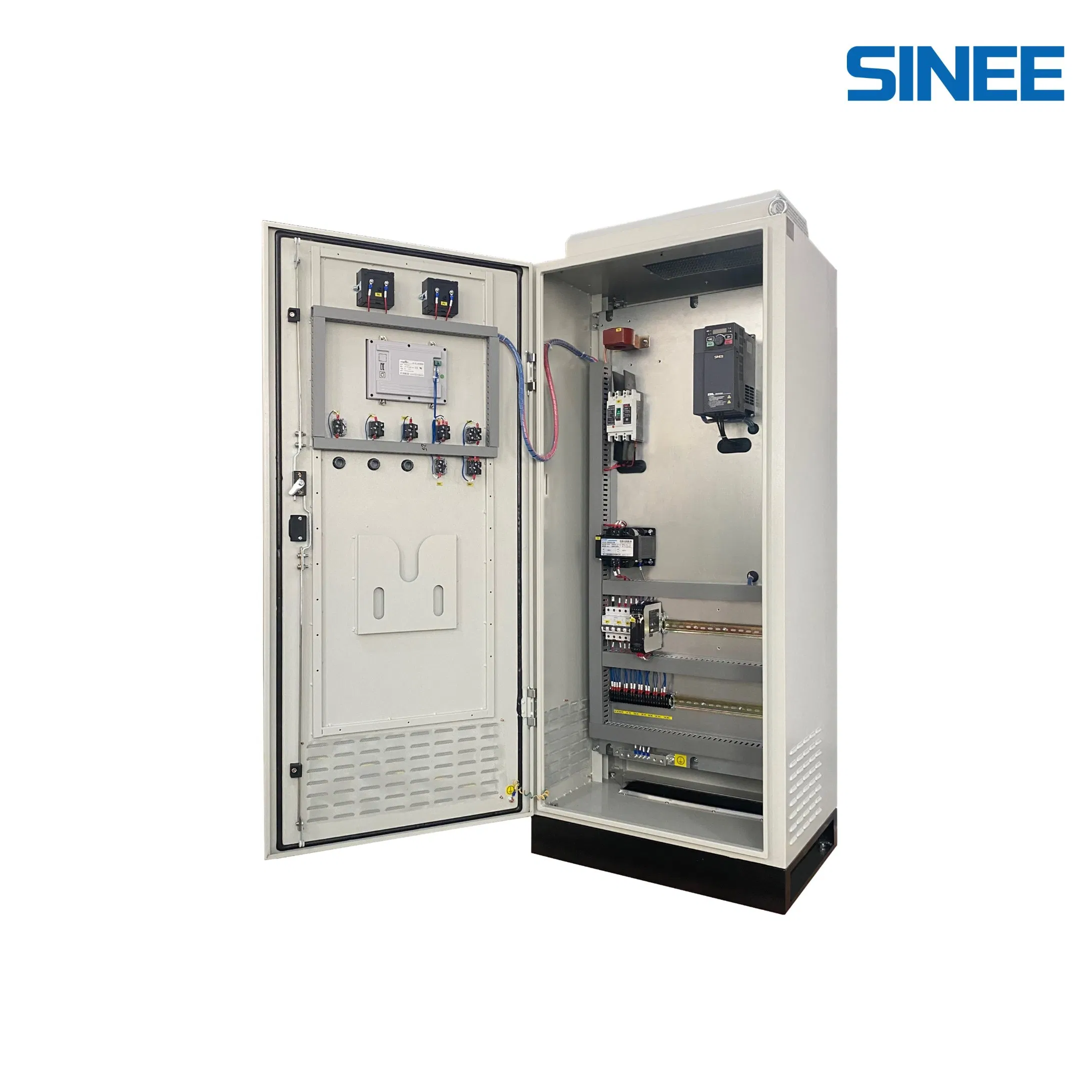
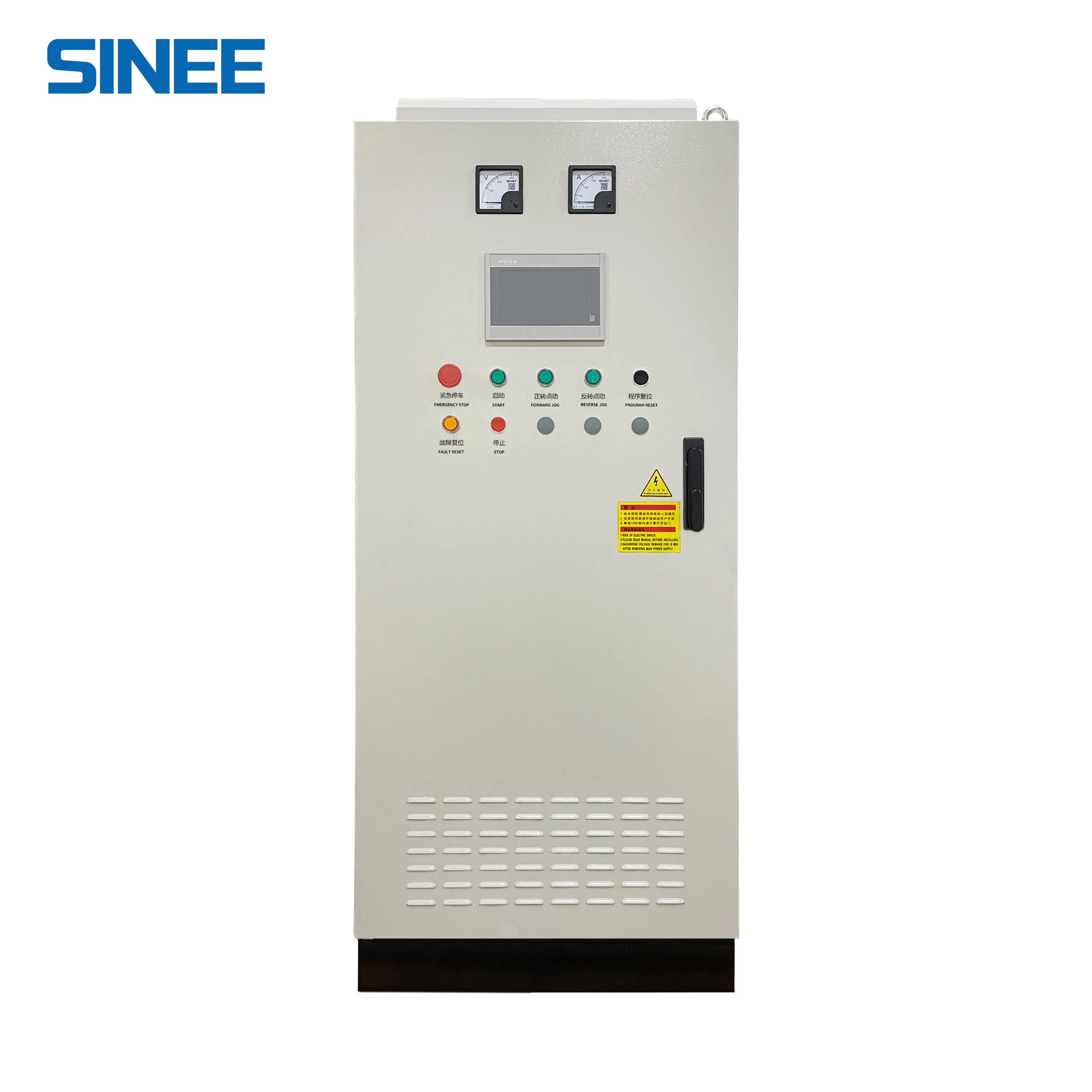
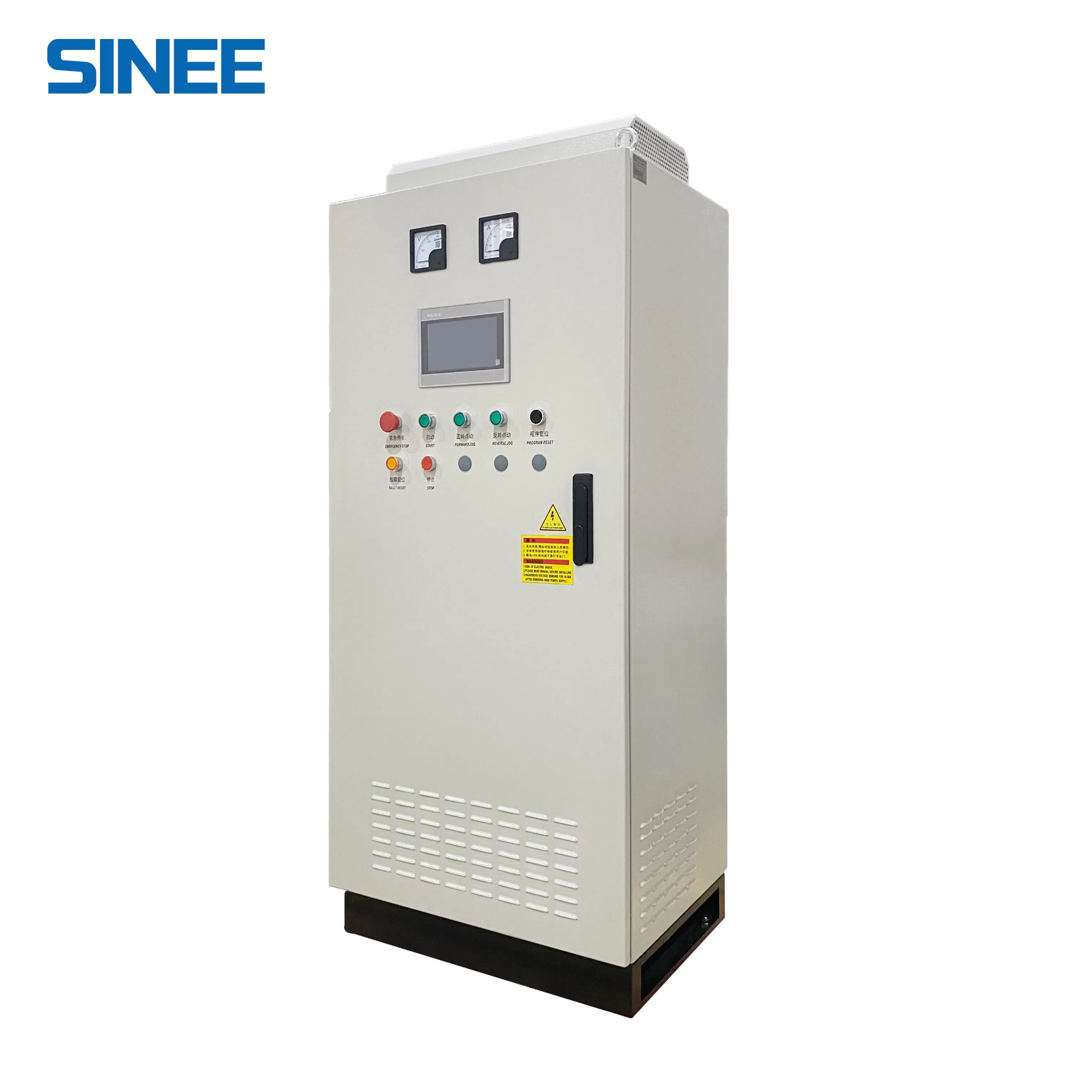
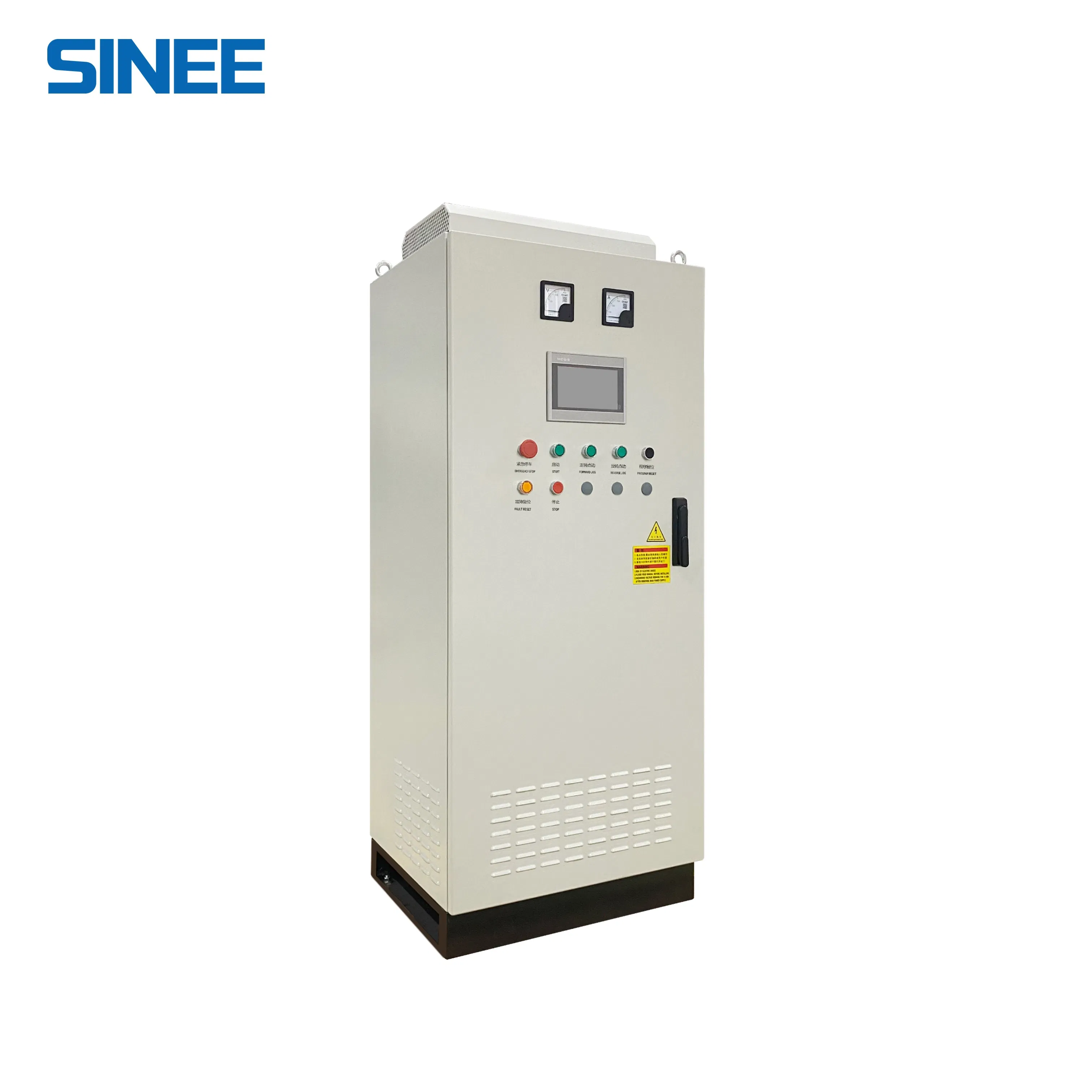
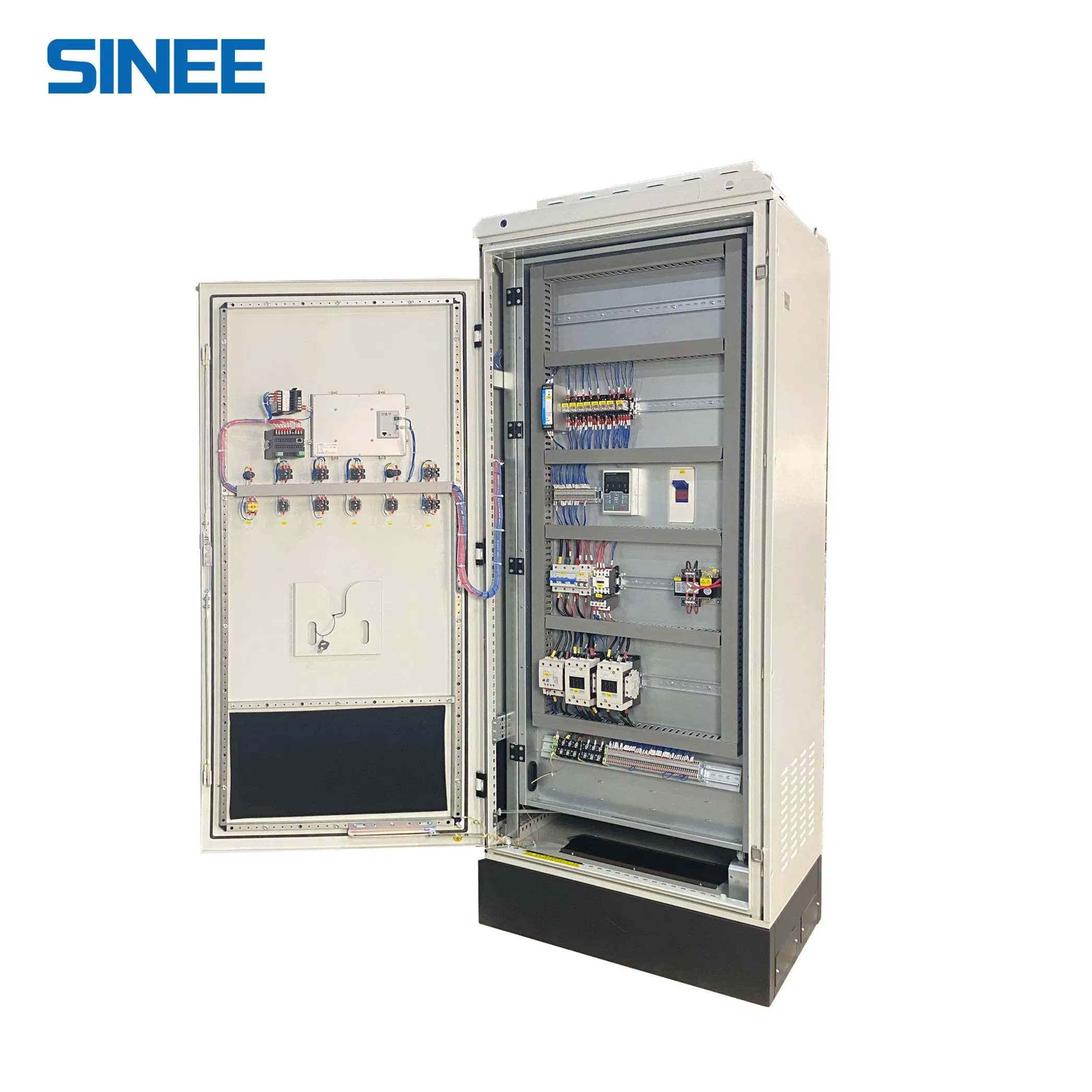
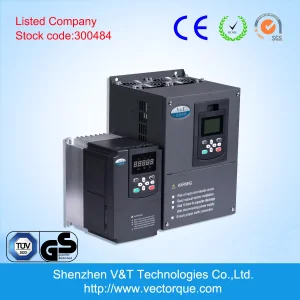
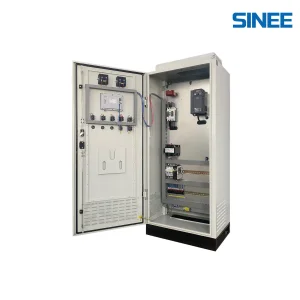
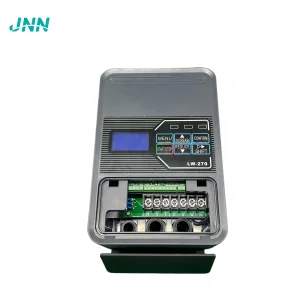
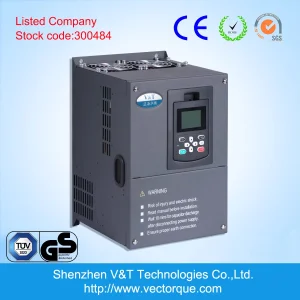
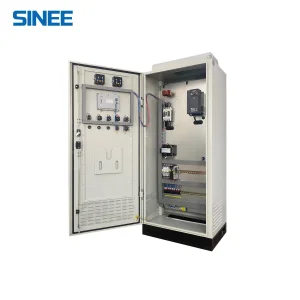
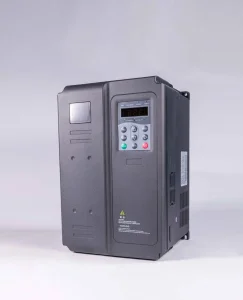
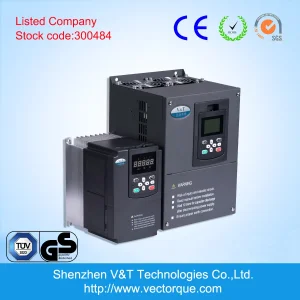
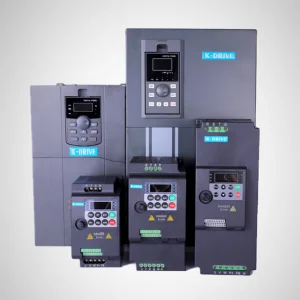
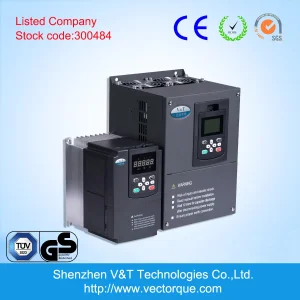
Built-in DC Reactor Engineering Cabinet Elevator Drive High Voltage Frequency Inverter VSD Variable Frequency Inverter Drives Dedicated VFD in Stock

Customization: Available
Application: Dedicated VFD
Output Type: Triple

Product Description

i

Basic Information

Model NO.
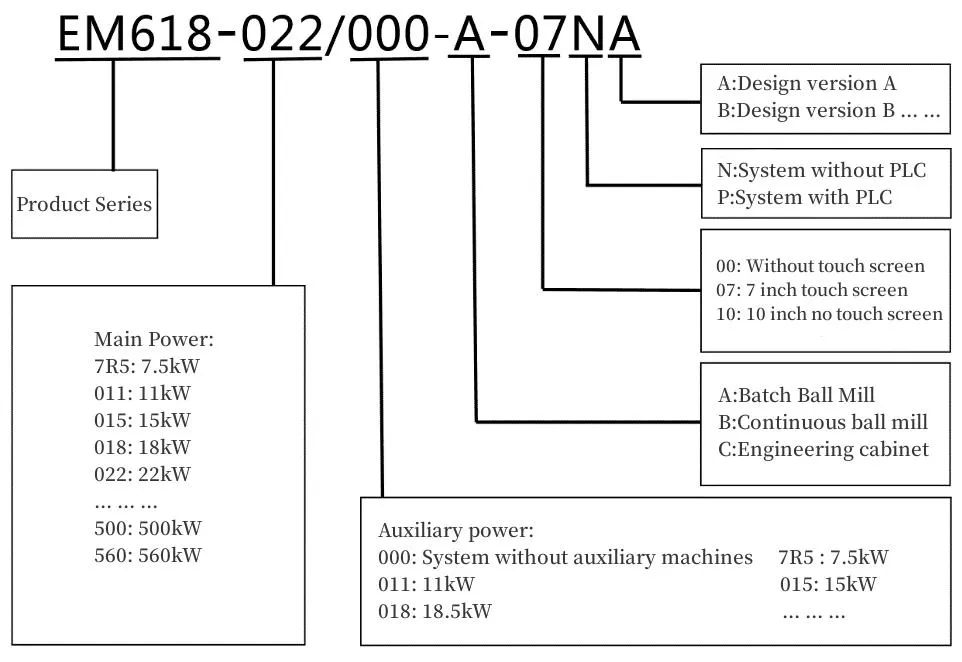
EM618
Principle of Work
Vector Control Transducer
Switch Mode
PWM Control
Main Circuit Type
Voltage
Power Supply
Medium Voltage VFD
Transformation
AC-AC Variable-Frequency
Nature of DC
Voltage Variable-Frequency
Function
Engineering Cabinet VFD
Control Methods
V/F and Vector Control
Origin
China
📦

Packaging & Delivery

Package Size
50.00cm * 70.00cm * 175.00cm
Gross Weight
30.000kg
Package Type
Wooding

Product Description

Engineering Cabinet VFD
  • Stable operation with low frequency and high torque: 0.5Hz/150% rated torque output smoothly for ball mills.
  • Convenient man-machine interface (touch screen) for setting multi-segment running time and frequency.
  • Excellent current limiting ability to prevent tripping during load fluctuations.
  • Wide voltage input range with automatic voltage stabilization.
  • Wide range of speed adjustment for light-load high-speed and heavy-load low-speed operations.
  • Equipped with Modbus communication interface for status monitoring.
  • Instantaneous power failure non-stop function with energy feedback.
  • Adaptable to motors of the same power without capacity enlargement.
Technical Specifications
📋

Operation & Installation Steps

Steps Operation Content
Installation Check power of special frequency conversion control cabinet and install as required.
Wiring Standard wiring for ball mill frequency conversion control cabinet.
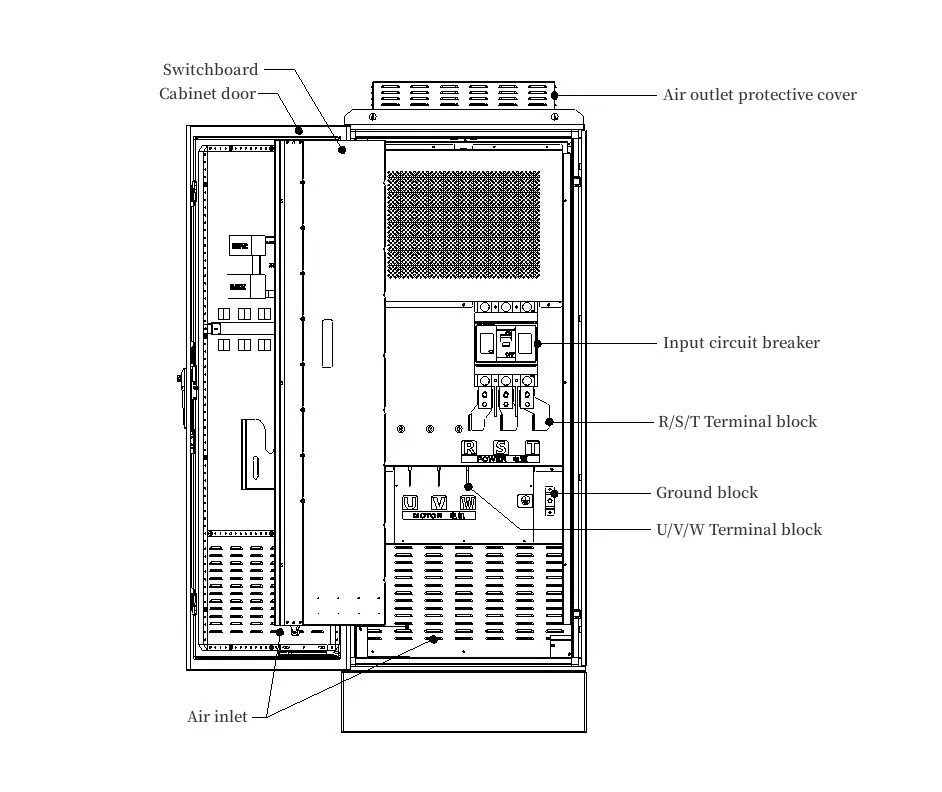
Pre-Power Check Confirm input power supply, circuit breakers, grounding, and correct terminal connections (R, S, T, U, V, W).
Power-on Check Monitor for abnormal sound, smell, or smoke; check power indicator and operation panel status.
Parameter Settings Restore factory values for new installations; set nameplate parameters, limits, and protection methods.
Self-Identification Perform motor parameter self-identification (static or rotation) for vector control accuracy.
Test Run Execute no-load and load tests to verify stability, steering, and acceleration/deceleration.
Advanced Control Configure PID process control, torque control, speed tracking, and S-curve acceleration.
📐

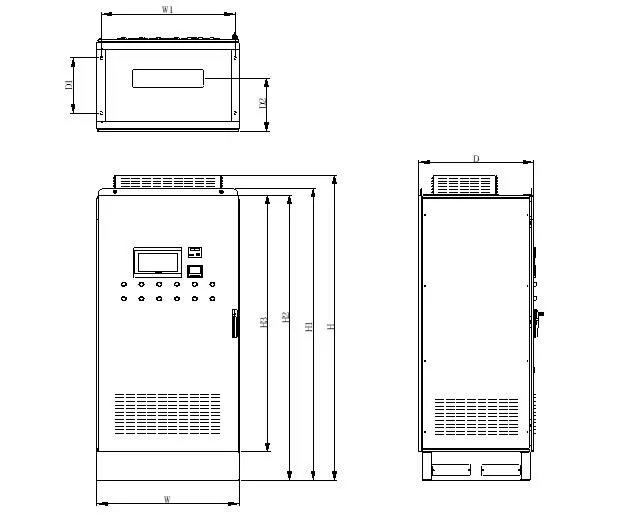
Installation Instructions

Installation Diagram 1 Installation Diagram 2
Model W W1 H H1 D d
EM618-185/200/220 800 756 2145 2055 650 13
EM618-250/280 800 756 2145 2055 650 13
EM618-315/355 800 756 2145 2055 650 13
EM618-400 800 756 2145 2055 700 13
🖼

Technical Showcase

Showcase 1 Showcase 2 Showcase 3
Showcase 4 Showcase 5 Showcase 6
Showcase 7
?

Frequently Asked Questions

What are the primary control methods supported by the EM618 series?
The EM618 series supports both V/F control and high-performance Vector Control, making it suitable for a wide range of engineering applications.
Is this inverter suitable for heavy-duty startup equipment like ball mills?
Yes, it is specifically designed for such requirements, offering stable operation at low frequencies with a 0.5Hz/150% rated torque output.
How does the system handle sudden load fluctuations?
The EM618 features excellent current limiting capabilities, ensuring that the control cabinet does not trip even when the load fluctuates frequently.
Can the inverter continue to operate during a power failure?
It includes an instantaneous power failure non-stop function, which can automatically feed back electric energy to maintain torque output for a certain period.
What type of communication interfaces are available?
The system uses a standard Modbus communication interface, allowing users to easily check the working status and parameters of the inverter.
Does the motor capacity need to be larger than the inverter?
No, the frequency converter and motor are adapted for use with the same power rating, eliminating the need to enlarge the converter's capacity.

Related Products