Explore our high-performance power controls and solar telemetry systems engineered for global distribution.
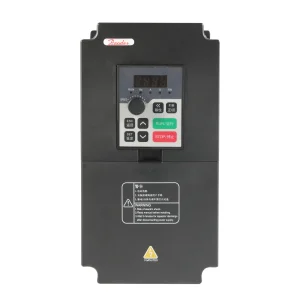
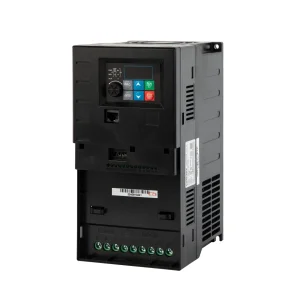
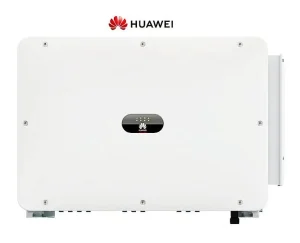
Understanding the transition from passive data logging to proactive Edge-AI automation in industrial applications.
Traditional Supervisory Control and Data Acquisition (SCADA) platforms are being integrated with decentralized edge systems. In modern VFD (Variable Frequency Drive) applications, sub-millisecond status telemetry is analyzed at the hardware level, minimizing transmission bandwidth while providing localized safety actions before cloud communication occurs.
Global systems demand robust interoperability. The integration of Modbus RTU/TCP, BACnet, MQTT, and OPC Unified Architecture (OPC UA) enables solar pump systems, elevator controllers, and air compressor VFDs to feed uniform data points straight into ERPs, ensuring secure, multi-tenant monitoring across geographically diverse facilities.
By collecting electrical signatures, thermal profiles, and vibration patterns directly from frequency drives, AI models predict insulation breakdowns, bearing failures, and overall system degradation. This paradigm reduces unplanned industrial downtime by up to 30%.
Critical selection benchmarks for system integrators, EPC contractors, and multinational industrial purchasers.
When engineering procurement departments source OEM/ODM Remote Monitoring Systems, the validation process extends far beyond standard pricing templates. Modern critical infrastructure demands stringent benchmarks to guarantee investment security, operational longevity, and data integrity.
Deployment in remote agricultural zones (for solar pump inverters) or heavy industrial environments requires IP65/IP66 enclosure options, conformally coated PCBAs (IEC 60721-3-3 class 3C3 compliance), and operating temperature profiles ranging from -25°C to +60°C.
With cyberattacks on utilities increasing, data encryption (AES-256), secure hardware elements (TPM modules), HTTPS/MQTTS protocols, and firmware over-the-air (FOTA) signed updates are mandatory to comply with international regulations such as NERC CIP or EU NIS2.
Exporting to Europe, North America, and APAC requires robust regulatory clearance, including CE (LVD/EMC directives), UL/cUL listing for electrical safety, RoHS compliance, and grid-tied compliance codes (such as EN 50549 or IEEE 1547).
How digital manufacturing ecosystems minimize lead times while ensuring military-grade assembly standards.
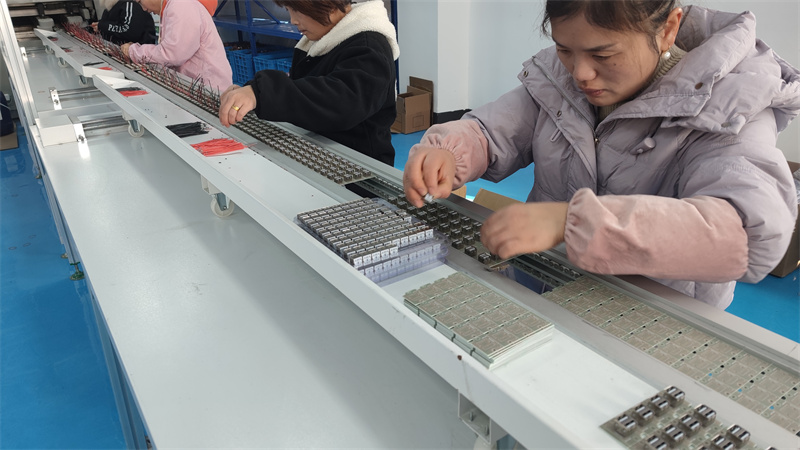
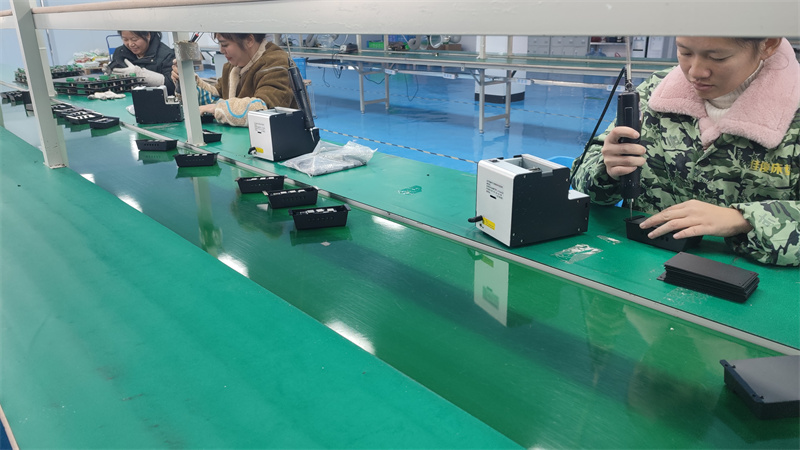
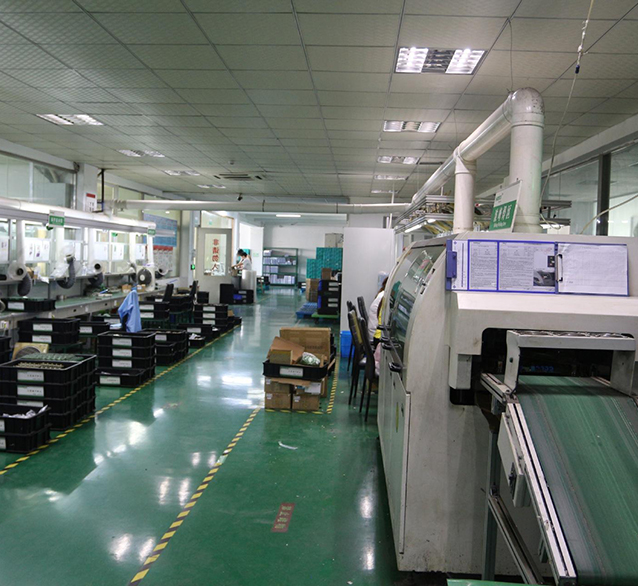
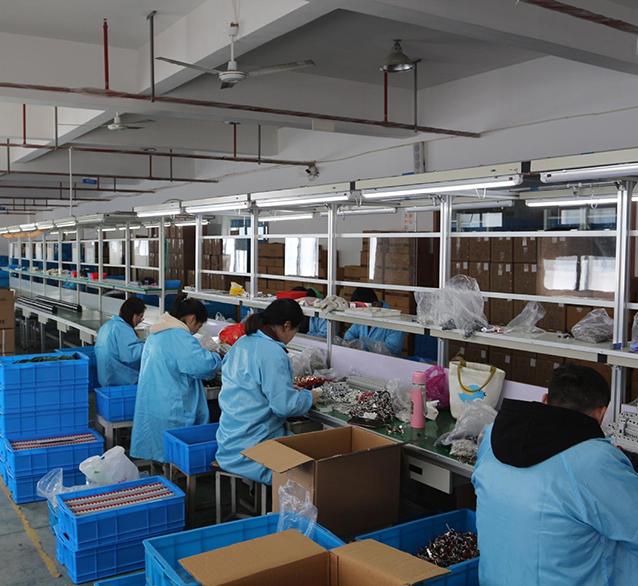
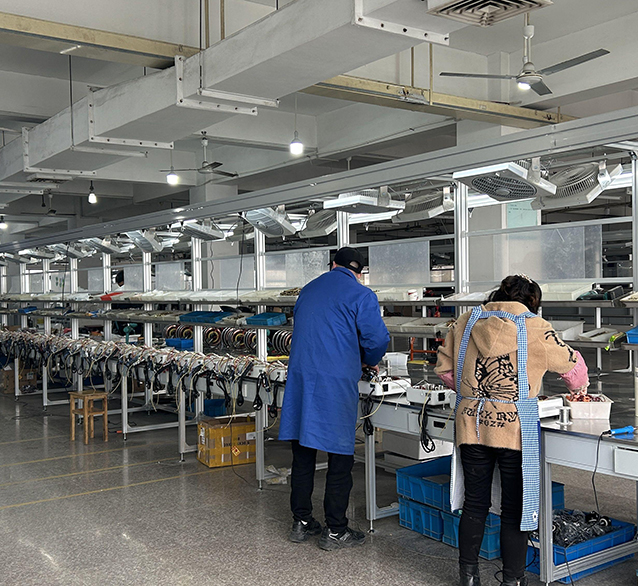
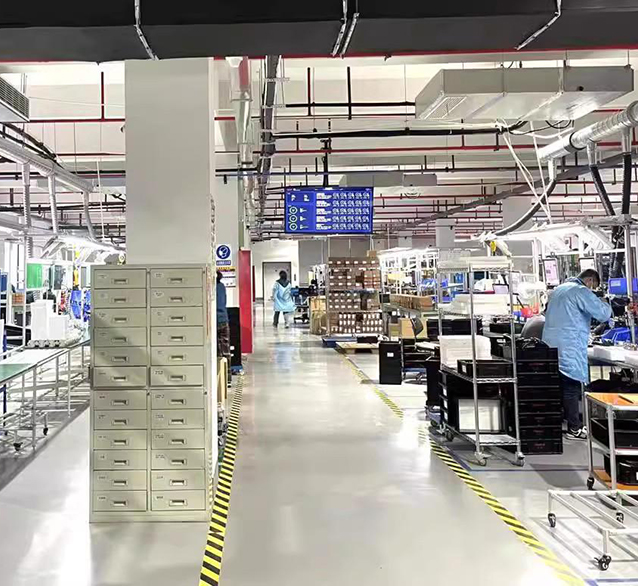
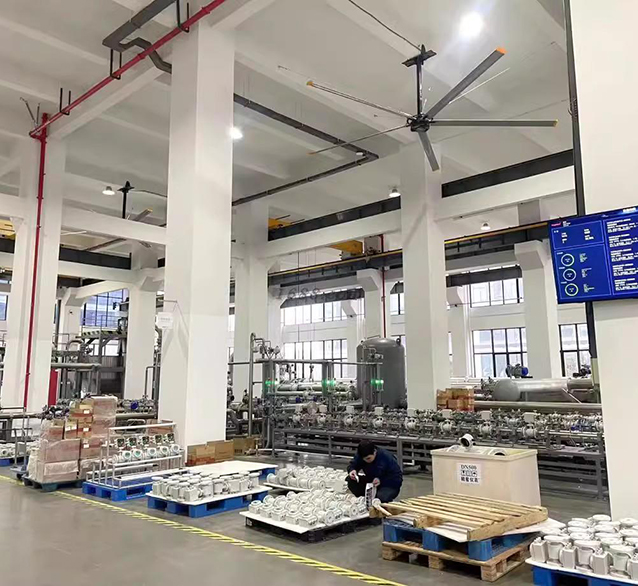
The concept of China Factory 4.0 represents a paradigm shift from manual manufacturing to an integrated, data-driven supply chain ecosystem. At our manufacturing facility in Shenzhen, we utilize end-to-end automation where production machines communicate directly with Enterprise Resource Planning (ERP) and Manufacturing Execution Systems (MES).
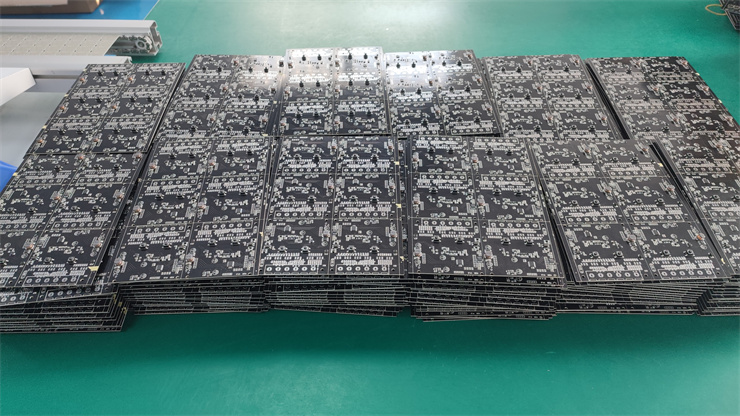
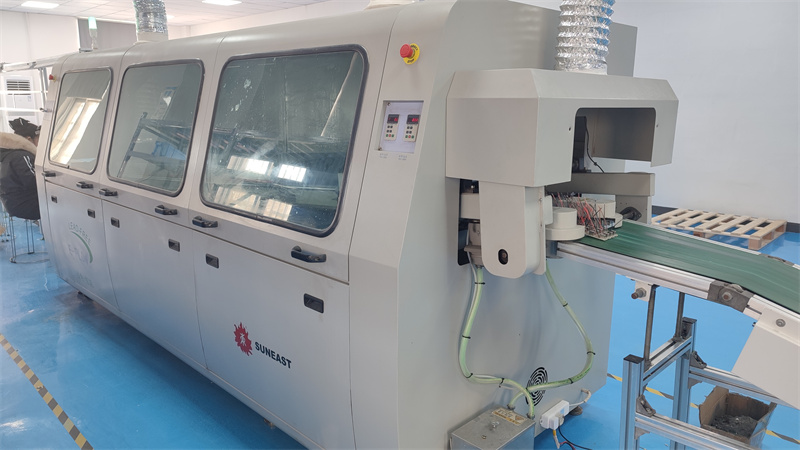
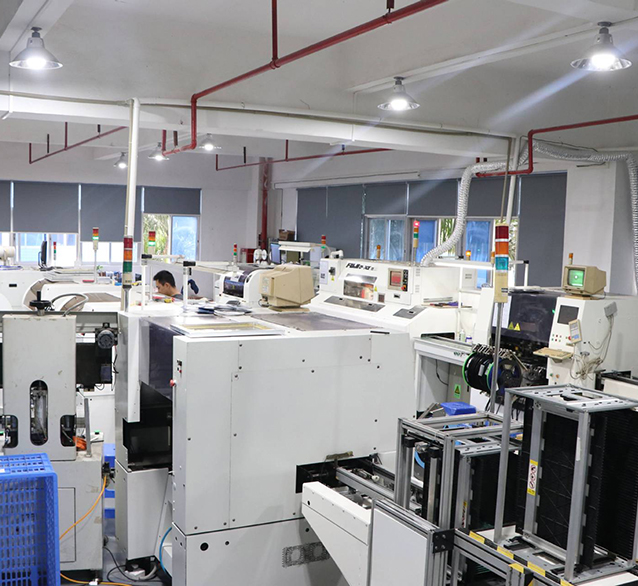
By leveraging advanced hardware placement systems, automated optical inspection (AOI), and precise wave-soldering processes, we achieve an exceptional level of PCBA consistency. Each production step generates a digital fingerprint, stored in our tracking database. If any variance is detected during real-time load testing, the affected assembly is isolated, preventing fault escapes before shipping.
Furthermore, our location within the Shenzhen electronics hub gives us unmatched supply-chain flexibility. Component sourcing, structural prototyping, and safety certification testing can be executed concurrently, compressing the standard OEM prototype cycle from months to mere weeks.
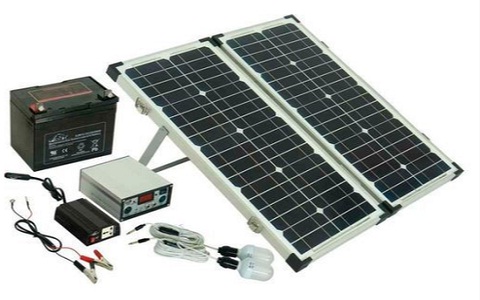
Driven by Innovation, Powered by Expertise
Shenzhen NovaVolt Service Co., Ltd. is dedicated to becoming a leading global provider of advanced solar inverter and energy solutions. Backed by over 20 years of experience in industrial electrical control systems, NovaVolt combines deep technical expertise with a forward-looking innovation strategy to deliver reliable, high-performance products to customers worldwide.
Our strength lies in a highly skilled R&D team, composed of senior engineers with extensive experience in power electronics and product development, including professionals from globally recognized Fortune 500 companies. With a portfolio of more than 30 technical patents, we continuously invest over 10% of our annual revenue into research and development—ensuring ongoing breakthroughs in efficiency, system stability, and intelligent energy management.
At NovaVolt, quality is not just a standard—it is a commitment embedded in every stage of our operations. We implement a comprehensive quality management system that covers the entire product lifecycle, from initial design validation to after-sales optimization.
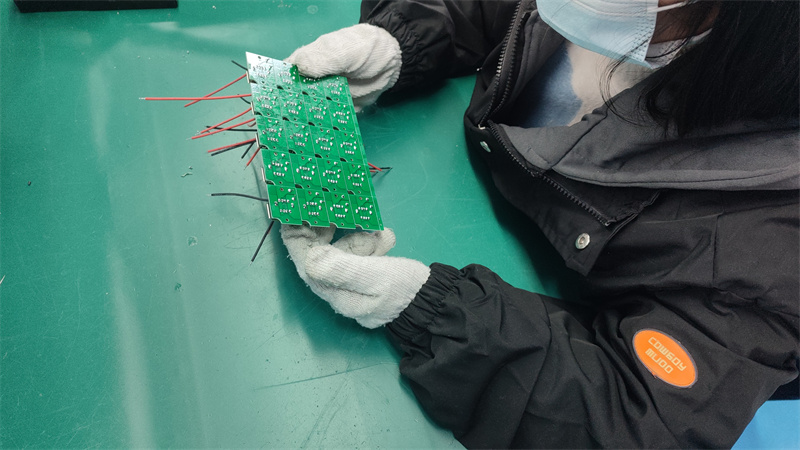
Our manufacturing process follows strict international standards. Each PCBA undergoes more than ten critical processes, including solder paste printing, SMT placement, reflow soldering, and AOI (Automated Optical Inspection). Every step is executed with precision craftsmanship, ensuring superior product consistency, durability, and long-term reliability.
NovaVolt embraces intelligent manufacturing to deliver exceptional product performance. Our advanced production lines are equipped with automated AOI systems, PLC/IPC-based intelligent testing platforms, and real-time data acquisition systems.
Through a fully integrated ERP management system, we achieve complete traceability across the entire production process—from raw material sourcing to final delivery. This digitalized and data-driven approach enhances operational efficiency, minimizes errors, and guarantees consistent product quality at scale.
At NovaVolt, we believe our mission extends beyond manufacturing inverters. We are committed to enabling a smarter and more sustainable energy ecosystem. By leveraging cutting-edge technology, we maximize the utilization of solar energy—transforming every ray of sunlight into stable, efficient, and clean power.
We strive to build long-term partnerships with our customers, delivering not only products but also trust, innovation, and value. Together, we are shaping a greener, low-carbon future for generations to come.

Engineered implementations proving remote management effectiveness across demanding sectors.
In locations with weak or non-existent utility grids (such as rural areas in Africa and Latin America), our 3-phase solar pump inverters run autonomously using PV arrays. The integrated telemetry cards upload active flow rates, radiation index curves, and dry-run alerts directly to regional agricultural operators, ensuring irrigation system uptime.
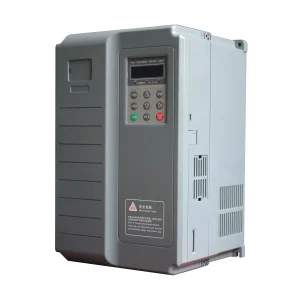
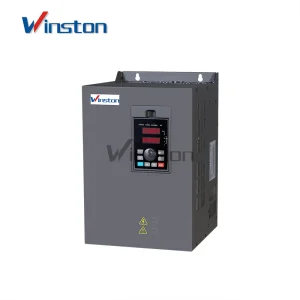
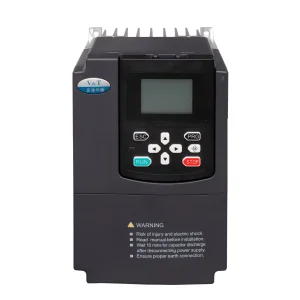
For large-scale factory floor air supply installations, variable load fluctuations make energy efficiency critical. Our low-voltage VFDs adjust motor output frequency dynamically. By adding high-frequency Wi-Fi or LTE transceivers, facility engineers monitor system pressure, temperature limits, and vibration thresholds from any location.
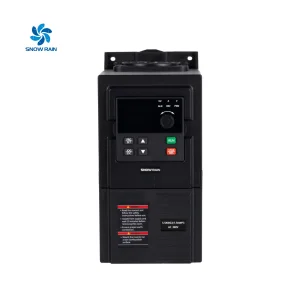
Elevator installations require smooth acceleration curves and strict safety mechanisms. Our V/F and Sensorless Vector Control (SVC) drives continuously log mechanical feedback loop parameters. They broadcast real-time acceleration data to building management software, helping identify wear patterns before they impact ride quality.
Expert answers on protocols, commissioning, and system architecture for smart control systems.
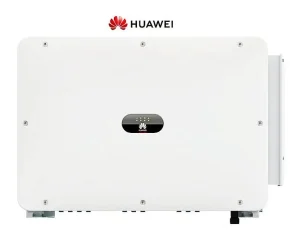
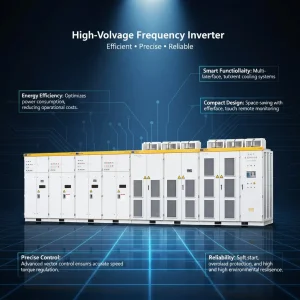
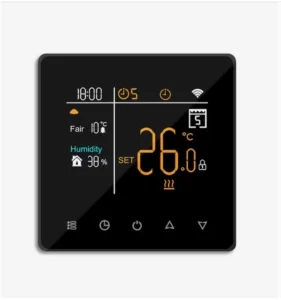
Select options for medium voltage networks, grid-connected solar power plants, and climate control installations.
 NovaVolt Service