Explore our high-performance power conversion, electrical safety, and intelligent variable frequency controls designed for global industrial infrastructures.
In three-phase AC electrical systems, the order in which the voltage waveforms of individual phases reach their peaks—known as the phase sequence or phase rotation—dictates the rotation direction of electromagnetic fields. In global industrial infrastructures, incorrect phase sequence installation poses a critical threat to multi-million dollar rotating assets.
According to recent global automation hazard reports, up to 18% of unexpected mechanical breakdowns in municipal pump stations, mining conveyers, and HVAC compressors stem from reverse phase rotation during grid maintenance or substation switchovers. As factories shift to smart power distribution networks, the demand for embedded, smart phase sequence indicators has surged by 8.4% CAGR annually.
Today's global supply chain demands more than simple handheld neon indicators. High-performance, integrated monitoring modules embedded within control panels—providing digital feedback, Modbus RTU communication, and galvanic isolation—have become the new benchmark for safety and compliance under IEC 61010-1 and UL 508.
As a reliable supplier, Shenzhen NovaVolt Service Co., Ltd. addresses these challenges by developing customizable phase testing solutions that guarantee system integrity across diverse international operating voltages.
Shenzhen NovaVolt Service Co., Ltd. is dedicated to becoming a leading global provider of advanced solar inverter and energy solutions. Backed by over 20 years of experience in industrial electrical control systems, NovaVolt combines deep technical expertise with a forward-looking innovation strategy to deliver reliable, high-performance products to customers worldwide.
Composed of senior engineers with extensive experience in power electronics and product development, including professionals from globally recognized Fortune 500 companies.
With a portfolio of more than 30 technical patents, we continuously reinvest over 10% of our annual revenue into R&D to ensure ongoing breakthroughs.
Our smart phase indicators use microcontrollers to monitor not just rotation direction, but also phase loss, asymmetry, and over/under voltage fluctuations.
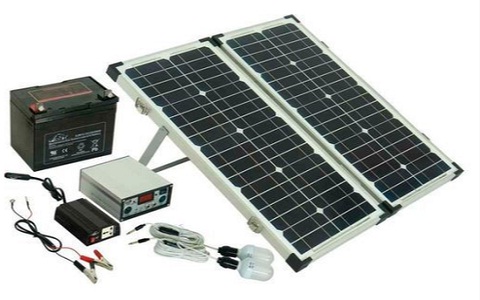
As a premier OEM/ODM manufacturer, NovaVolt builds customizable phase sequence indication PCBs and Din-Rail modules that integrate seamlessly with variable speed drives, water pump controls, and solar power converters.
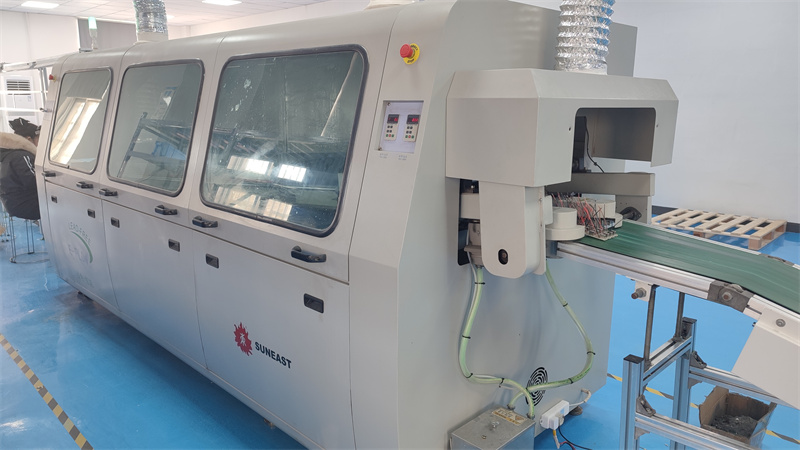
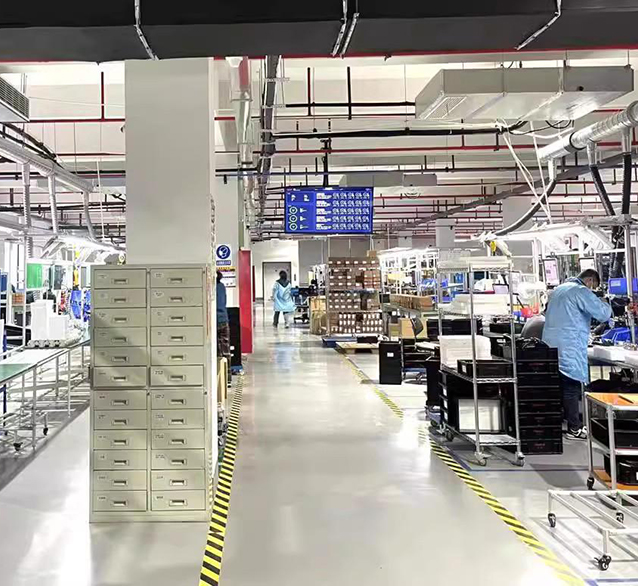
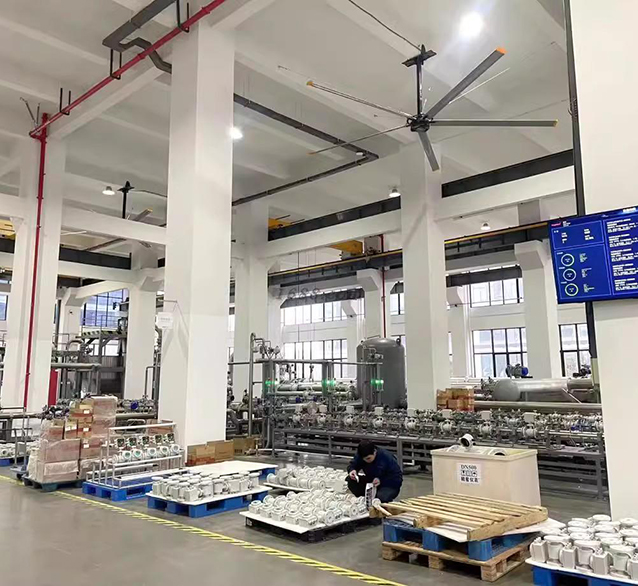
At NovaVolt, quality is not just a standard—it is a commitment embedded in every stage of our operations. Our manufacturing process follows strict international standards. Each PCBA undergoes more than ten critical processes, including solder paste printing, SMT placement, reflow soldering, and AOI (Automated Optical Inspection) to ensure superior product consistency.
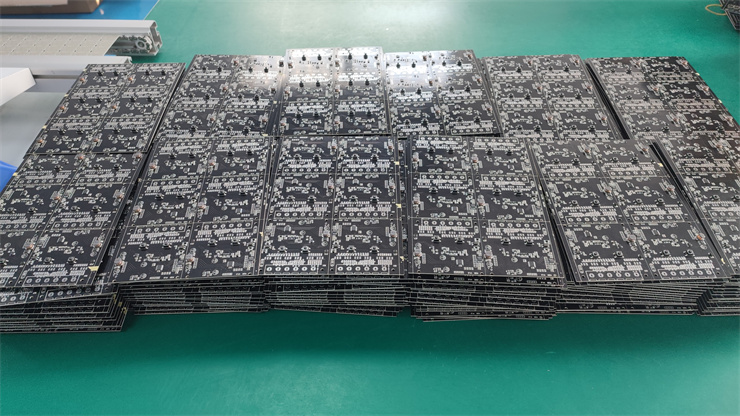
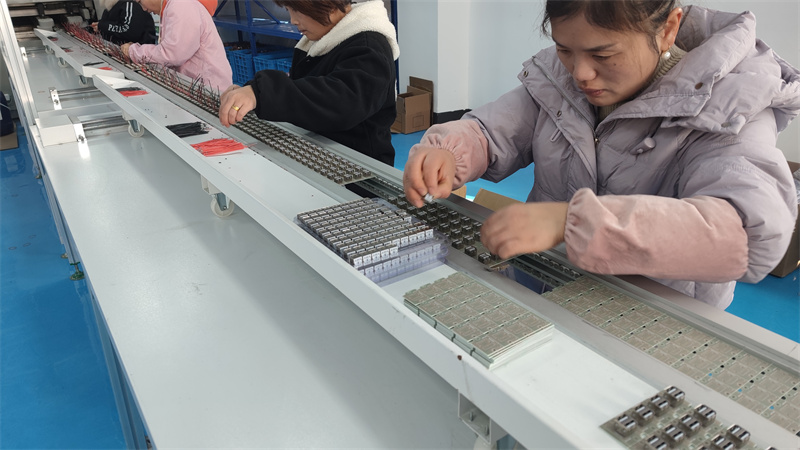
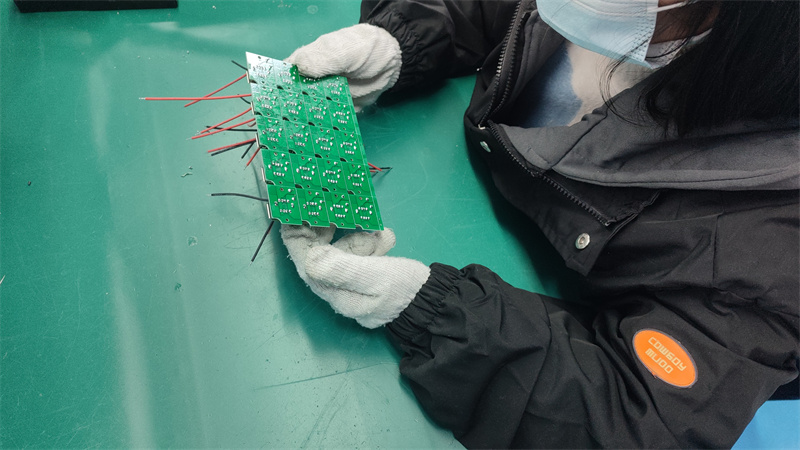
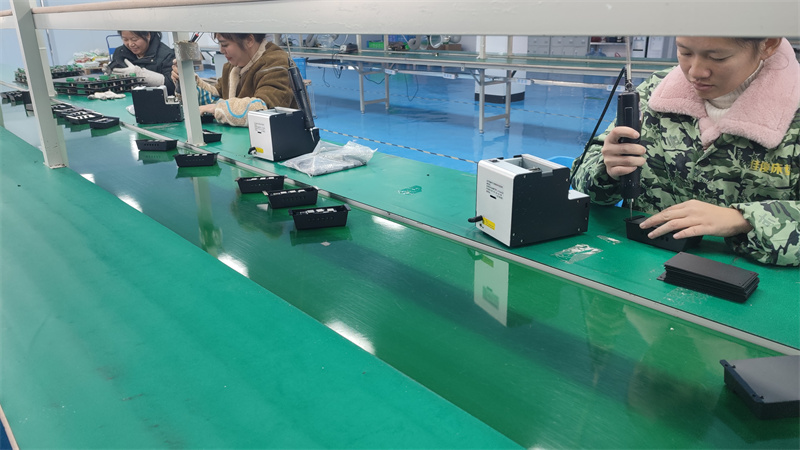
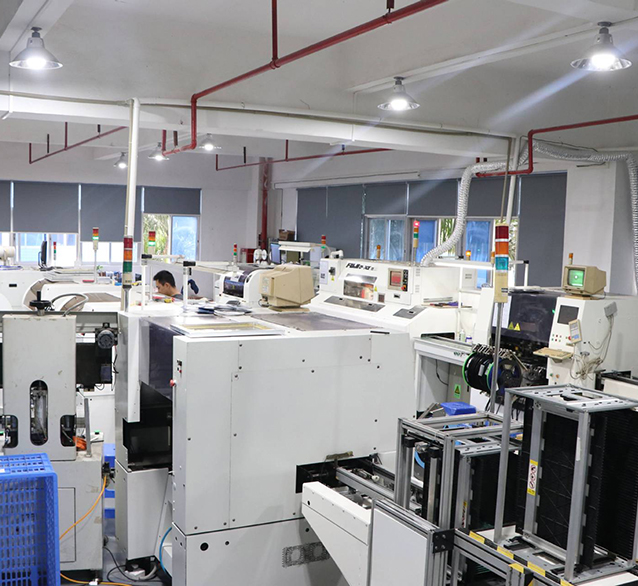
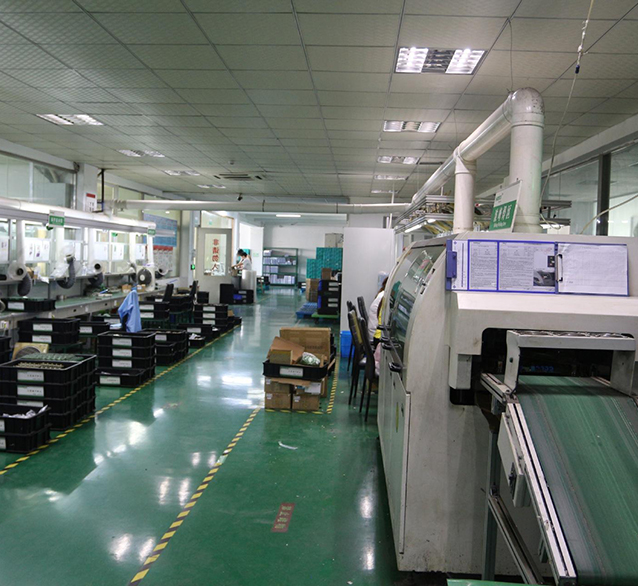


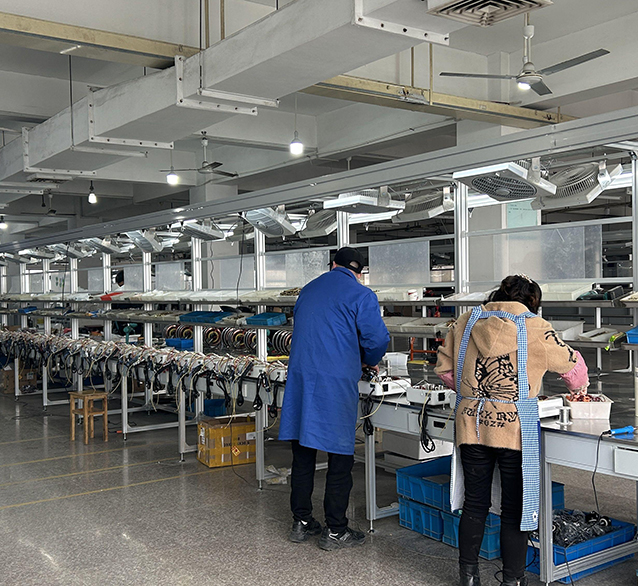
Modern commercial and industrial setups integrate phase sequence monitors directly into system controls to automate recovery sequences.
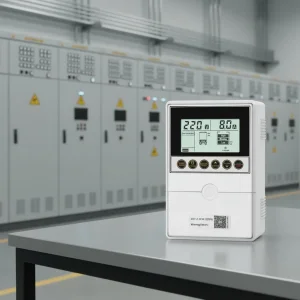
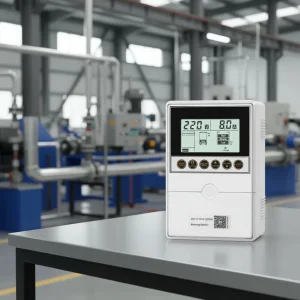
Submersible pumps are highly rotation-sensitive; running in reverse can unscrew the impeller or dry-burn bearings within seconds. Integrating our phase sequence indicator with the Intelligent Submersible Pump Controller stops the motor instantly if a phase reversal is detected on power line re-connection.
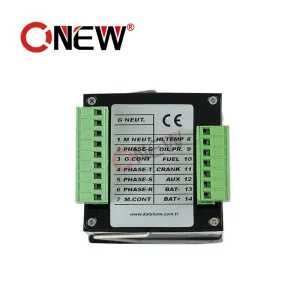
When switching between diesel generator sets (using the Smartgen DKG-105 controller) and municipal grids, a difference in phase sequence causes catastrophic short circuits. Embedded sequence detectors communicate directly with automatic transfer switches (ATS) to block switching actions until phases are aligned.
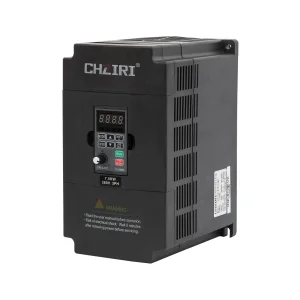
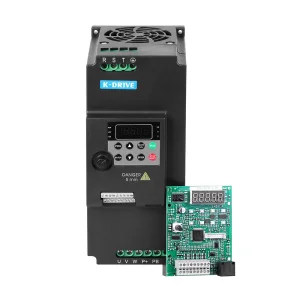
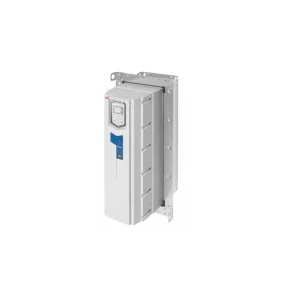
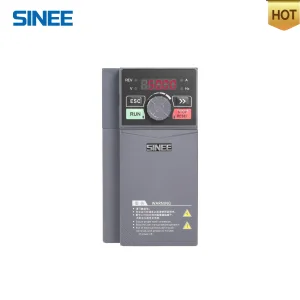
While VFDs internally convert AC to DC, phase sequence loss or severe imbalance on the input terminal strains the bridge rectifier, causing capacitor failure. Combining input terminal phase sequence monitors with Variable Frequency Drives (VFD) shields power electronics from grid-side thermal damage.
NovaVolt is continuously engineering the next generation of digital phase measurement solutions to align with industry 4.0 trends.
Integrating Narrowband IoT (NB-IoT) and Wi-Fi modules on-board. Phase status, current imbalance ratios, and cumulative logs are reported directly to cloud dashboards for remote maintenance dispatching.
Developing non-contact capacitive voltage sensors to measure phase rotation without physical metal contact, improving installer safety and reducing electric arc risks.
Shrinking the components to a single custom-designed integrated circuit (ASIC), allowing phase sequence monitoring functions to be directly embedded within household distribution boards.
Find answers to complex questions regarding phase sequence rotation, electrical safety compliance, and OEM design customizations.
If the phase sequence of a three-phase power supply is reversed, a motor will rotate in the opposite direction. In applications like screw compressors, deep-well water pumps, and cooling fans, reverse rotation can cause immediate mechanical failure. Impellers may unscrew, compressors can lock up due to lack of lubrication, and fans will fail to draw heat away, risking thermal runaways. Using a phase sequence indicator ensures the electrical installation aligns with mechanical rotation directions.
Yes. Modern phase sequence indicators designed by NovaVolt detect single-phasing (phase loss). Single-phasing occurs when one phase is interrupted due to a blown fuse, cable damage, or contactor failure. A three-phase motor operating on only two phases will draw excess current on the remaining lines, overheating the windings. Our indicators monitor line voltage thresholds and instantly trip safety relays if a single phase drops below 70% of nominal rating.
Contact-type indicators require direct connection of metal crocodile clips or probes to live conductors (L1, L2, L3). Non-contact indicators use capacitive sensor clips that clasp over the insulated cables, measuring the electrostatic fields around the wires. Non-contact systems are safer, eliminating direct contact with high voltages, though contact-type indicators remain the gold standard for testing raw terminals inside switchboards.
A VFD rectifies input AC power into DC before synthesizing a simulated three-phase output. Therefore, the motor rotation direction is controlled by the VFD programming, regardless of the VFD's input phase sequence. However, a phase sequence monitor is still critical at the VFD input to detect input phase unbalance or phase loss, which would overload the drive's rectifying bridge and shorten the life of its capacitor banks.
NovaVolt offers extensive ODM options, including custom PCB form factors to fit existing chassis, selectable tripping time delays (from 0.1s to 30s to prevent nuisance trips during grid sags), customized voltage thresholds (from 100V to 690V), private-label screen printing, and communication protocol integrations such as Modbus RTU or digital dry contacts for auxiliary safety circuits.
Every phase indicator board undergoes automatic optical inspection (AOI) post-SMT assembly, followed by functional wave soldering inspection. We then subject the completed control modules to a 48-hour thermal burn-in test at 55°C. Finally, we run high-voltage dielectric isolation tests to guarantee compliance with CAT III safety standards before shipping.
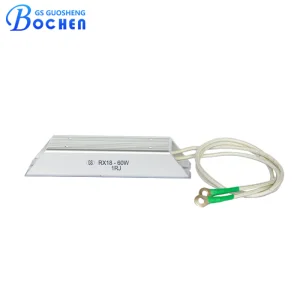
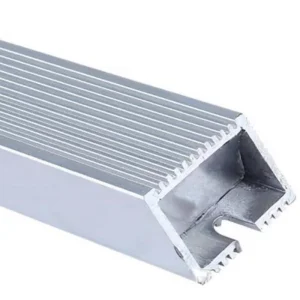
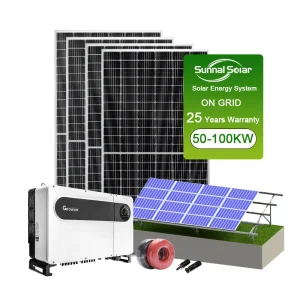
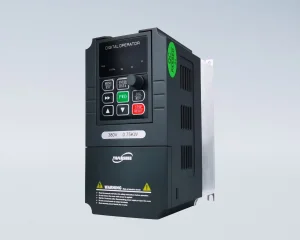
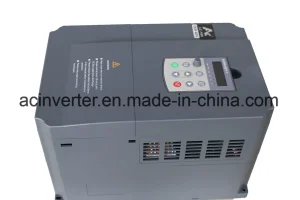
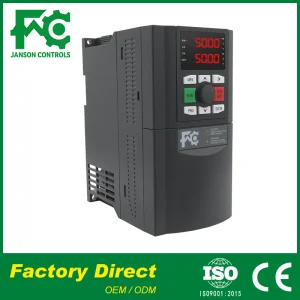
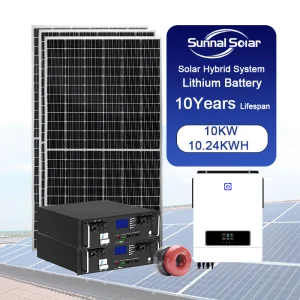
Discover our secondary range of high-efficiency VFD units, braking resistors, and complete solar system kits designed to maximize power reliability.
 NovaVolt Service