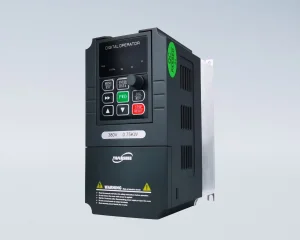
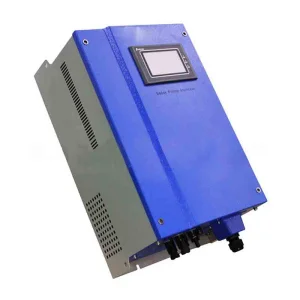
High-performance industrial variable frequency drives (VFD), microgrid-compatible hybrid energy storage systems, and solar pump controllers designed for high reliability and maximum power efficiency.
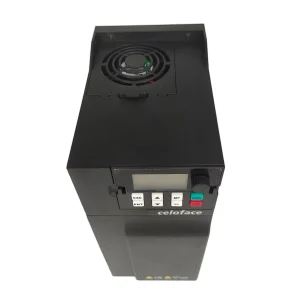
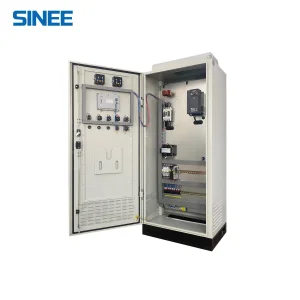
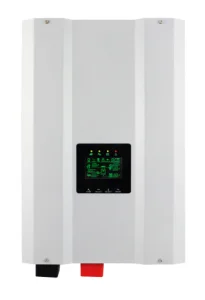
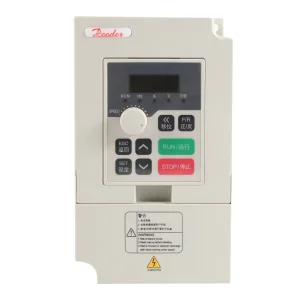
Wind turbine inverters (also known as converters) act as the heart of utility-scale wind generation systems, translating variable-frequency AC electricity generated by rotating blades into grid-synchronized power.
In the transition toward zero-carbon grids, wind turbine inverters are shifting from passive components to active grid-supporting elements. The integration of high-megawatt (MW) turbines requires converters that can operate stably under extreme electrical stresses, satisfy rigid grid compliance codes (such as Low Voltage Ride-Through - LVRT), and optimize the Levelized Cost of Energy (LCOE). Regionally, utility-scale wind power projects have evolved rapidly:
International policies such as the EU Green Deal and the US Inflation Reduction Act (IRA) have created massive capital flows into onshore and offshore wind parks. Power converters must guarantee continuous operational uptimes over 20-year design cycles.
Wind turbines are transitioning from Double-Fed Induction Generators (DFIG) to Full-Scale Converters (FSC) paired with Permanent Magnet Synchronous Generators (PMSG). This ensures full decouplement of the turbine from grid disturbances and facilitates grid-forming capabilities.
With single-turbine capacities rising beyond 10MW onshore and 15MW-20MW offshore, liquid cooling loop systems are completely replacing traditional air-cooled methods to manage heat flux generated within semiconductor modules (IGBTs and SiC MOSFETs).
The industrial paradigm requires high-voltage electrical setups (typically 690V AC outputs stepped up through transformers to 35kV) that demand strict electromagnetic compatibility (EMC) testing and sophisticated control algorithms to keep Total Harmonic Distortion (THD) below 3%. Consequently, choosing the right inverter manufacturer defines the project's financial viability.
Our extensive supply chain analysis highlights the top ten global leaders in power conversion systems. These entities are classified based on technical patent portfolios, system integration capability, market capitalization, and E-E-A-T credentials.
ABB is a pioneer in power grids and industrial automation. Their wind turbine converters cover DFIG and Full Converter topologies. ABB's ACS800 and PCS6000 series are widely recognized for offshore and onshore applications, providing superb reliability under severe environment conditions, with advanced remote diagnostic tools and global support frameworks.
Spun off from Siemens AG, Siemens Energy delivers highly integrated power trains, pairing wind generators directly with custom medium-voltage converters. Their direct-drive solutions eliminate gearboxes, utilizing full-scale converters to feed clean power to high-voltage transmission networks, dominating the North Sea offshore wind cluster.
As one of the world's leading independent suppliers, Ingeteam offers tailored converters up to 15MW. Their modular designs allow wind turbine manufacturers (OEMs) to customize control structures. Ingeteam products are characterized by excellent performance in weak grids and high altitude configurations.
While globally known for solar inverters, Sungrow has built a massive division for utility wind converters. Capitalizing on their huge production footprint in China, they offer wind power converters that integrate seamlessly with BESS (Battery Energy Storage Systems) to support smart microgrids.
CRRC applies heavy-rail locomotive electronics to the wind power sector. Their proprietary IGBT manufacturing line ensures they control the supply chain at the silicon wafer level, resulting in superior thermal management and robust operation during rapid grid load changes.
Huawei brings telecom-grade processing speed and machine learning algorithms into the utility power sector. Their wind converter interfaces leverage advanced diagnostics, using digital twins to predict failures before they happen, maximizing the asset yield of remote wind plants.
SMA excels in medium-voltage power integration and system hybridization. Their engineering depth ensures compliance with the most stringent European grid codes. SMA converters are popular choices for distributed wind-solar hybrid configurations in industrial parks.
GE Vernova's power conversion technologies support some of the largest offshore wind turbines in the world. Their system architectures focus on high redundancy and quick modular repairs, ensuring that single component failures do not result in major wind turbine shutdowns.
Goldwind is both a turbine manufacturer and a converter designer. By designing their converters in-house for their massive Permanent Magnet Direct Drive (PMDD) turbines, they optimize electrical matching and eliminate compatibility issues across sub-systems.
Emerging as a powerhouse in advanced power electronics and inverter technologies, NovaVolt brings 20+ years of industrial control expertise and high-end manufacturing. Their deep focus on PCB reliability and advanced SMT/AOI procedures places them at the forefront of supply-chain partners for global energy systems.
Understanding why Chinese manufacturers dominate the production landscape of high-performance power conversion devices.
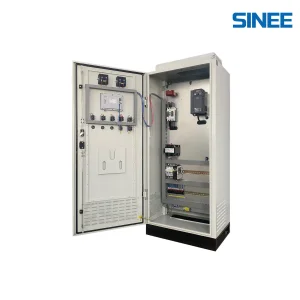
The global dominance of Chinese manufacturing in the power electronics field is not merely a result of labor cost optimization; rather, it is driven by systemic, vertically integrated supply chain systems. China-based facilities leverage a mature ecosystem that includes direct proximity to raw materials, rare-earth magnet processing, semiconductor foundry partnerships, and high-precision circuit board (PCB) fabricators. This allows companies like Shenzhen NovaVolt to rapidly prototype, iterate, and mass-produce advanced electrical control cabinets.
Instead of outsourcing sub-assemblies across different continents, Chinese factories procure capacitors, copper busbars, chassis enclosures, and cooling plates within a 100-kilometer radius, drastically reducing manufacturing cycle times.
Top-tier manufacturers allocate more than 10% of their annual revenue into local R&D laboratories, enabling rapid implementation of modern topologies such as Wide-Bandgap Silicon Carbide (SiC) switches and smart control units.
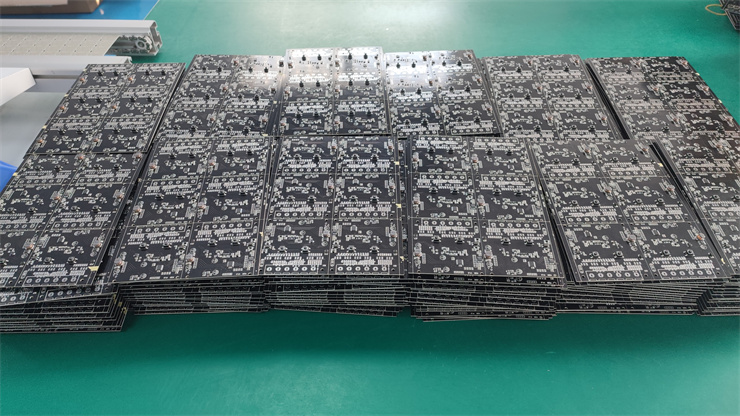
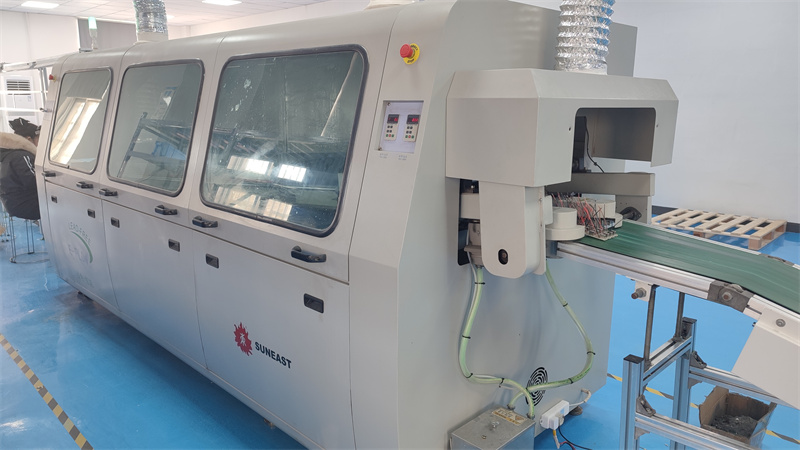
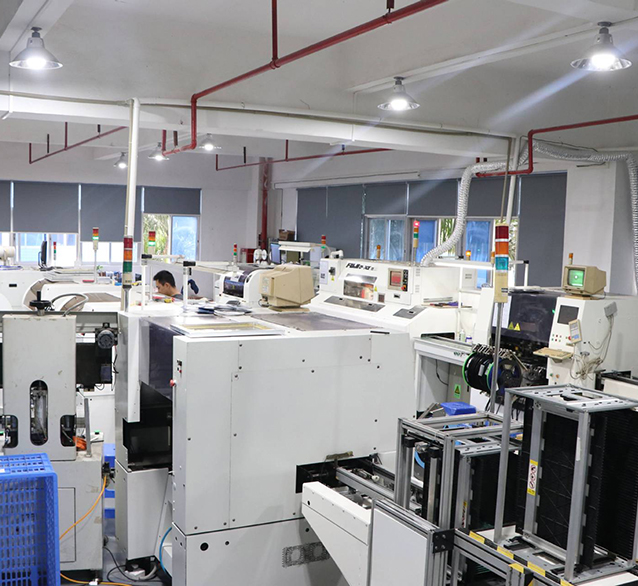
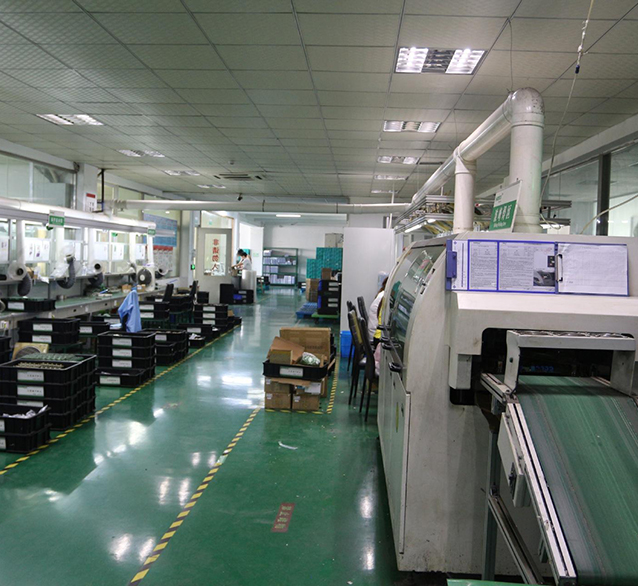
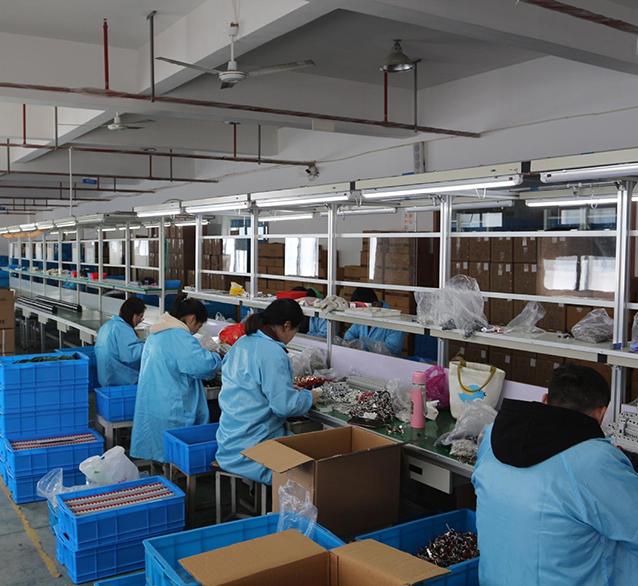
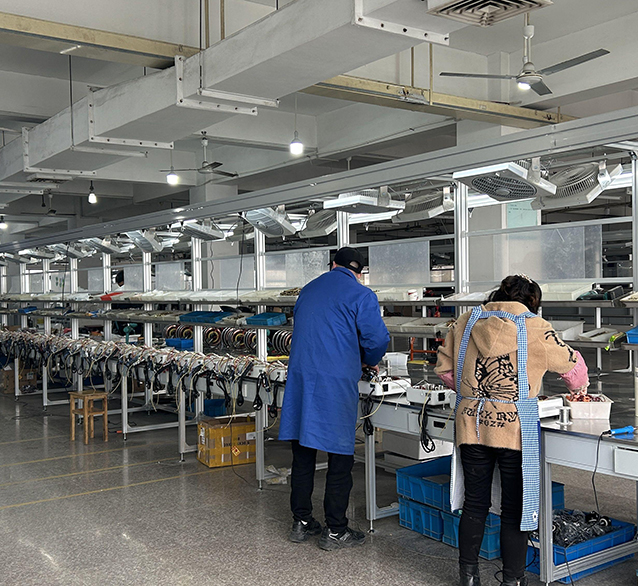
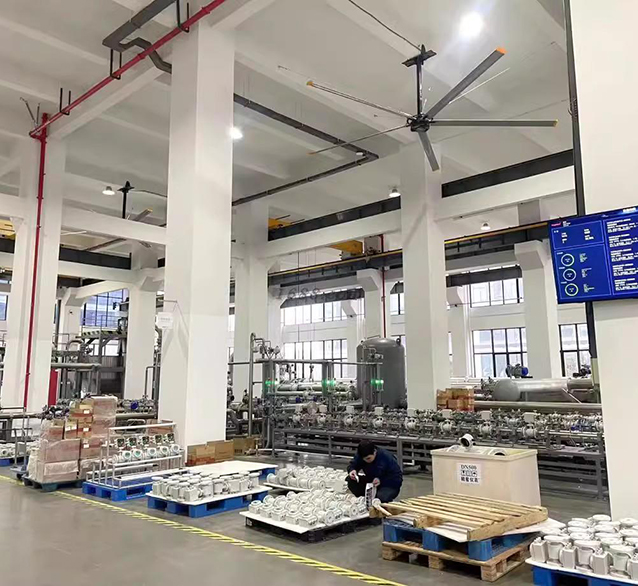
Advanced SMT, wave soldering, and Automated Optical Inspection (AOI) lines run continuously, coupled with state-of-the-art Burn-in Chambers. Testing under load guarantees each unit meets stringent operational parameters before shipment.
Wind and solar installations are deployed in diverse climates globally, forcing manufacturers to design specialized inverter solutions.
Offshore turbines require IP66-rated, hermetically sealed electrical enclosures. Air-to-liquid heat exchangers must prevent corrosive salt air from interacting with sensitive internal power components, maintaining safe operation over long service cycles.
At altitudes exceeding 2000 meters (e.g., mountains or plateaus), thin air reduces dielectric strength and limits cooling efficiency. Specialized derating schemes, increased clearance distances, and enhanced heat pipe architectures are required to prevent electrical breakdown.
Remote sites with weak connection characteristics suffer from voltage drops and frequency instabilities. Inverters equipped with grid-forming algorithms act as virtual synchronous machines, active-injecting reactive power to stabilize regional transmission networks.
Shenzhen NovaVolt Service Co., Ltd. is dedicated to becoming a leading global provider of advanced solar inverter and energy solutions.
Backed by over 20 years of experience in industrial electrical control systems, NovaVolt combines deep technical expertise with a forward-looking innovation strategy to deliver reliable, high-performance products to customers worldwide. Our strength lies in a highly skilled R&D team, composed of senior engineers with extensive experience in power electronics and product development, including professionals from globally recognized Fortune 500 companies. With a portfolio of more than 30 technical patents, we continuously invest over 10% of our annual revenue into research and development—ensuring ongoing breakthroughs in efficiency, system stability, and intelligent energy management.
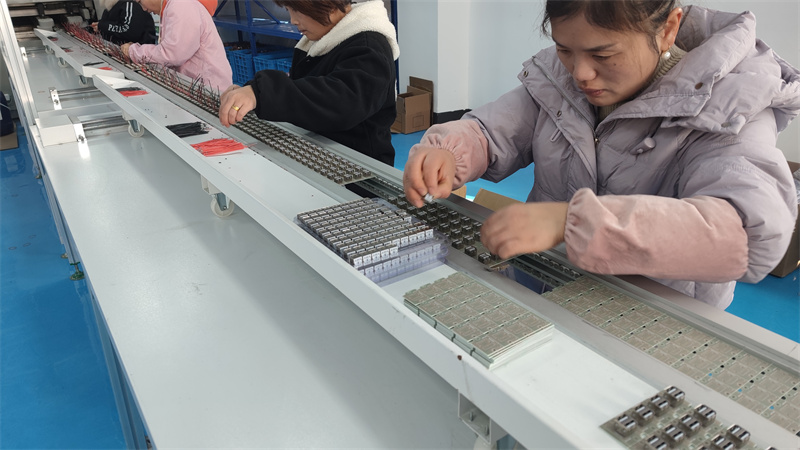
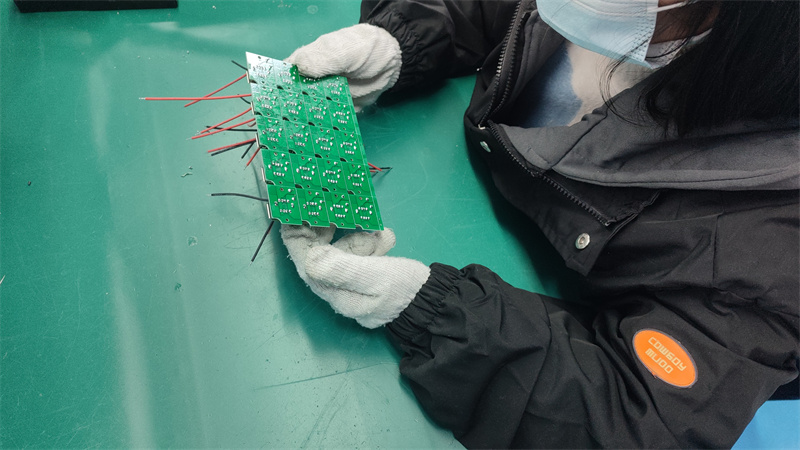
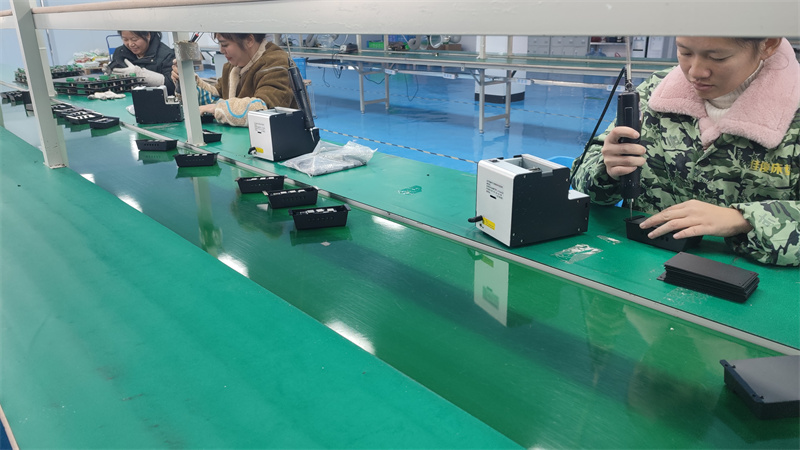
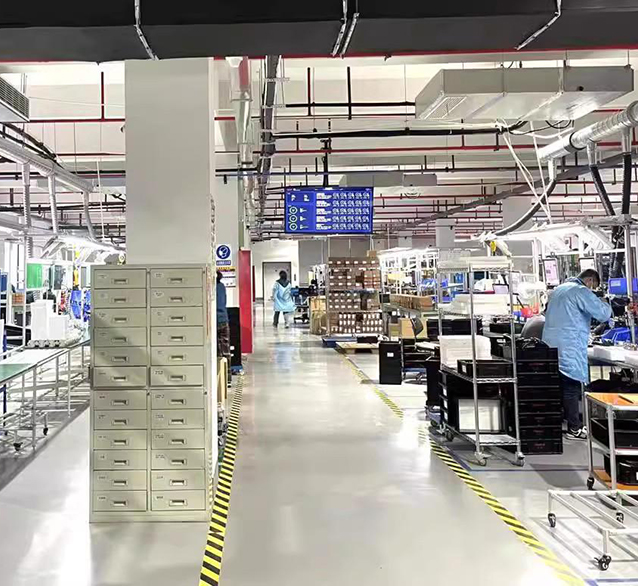
At NovaVolt, quality is not just a standard—it is a commitment embedded in every stage of our operations. We implement a comprehensive quality management system that covers the entire product lifecycle, from initial design validation to after-sales optimization. Our manufacturing process follows strict international standards. Each PCBA undergoes more than ten critical processes, including solder paste printing, SMT placement, reflow soldering, and AOI (Automated Optical Inspection). Every step is executed with precision craftsmanship, ensuring superior product consistency, durability, and long-term reliability.
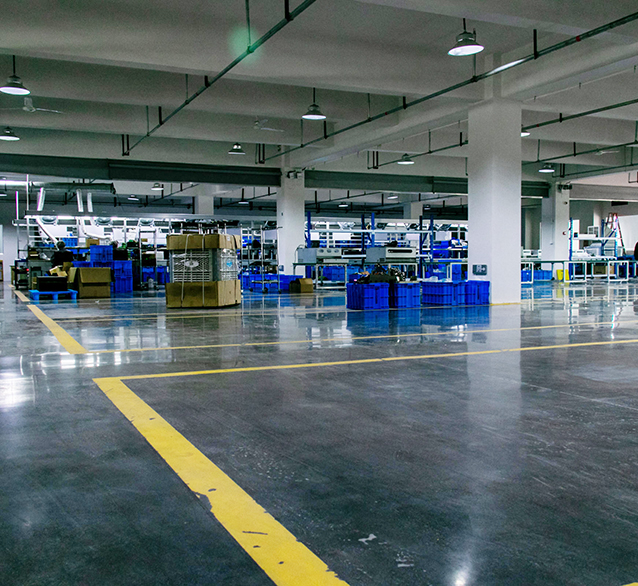
NovaVolt embraces intelligent manufacturing to deliver exceptional product performance. Our advanced production lines are equipped with automated AOI systems, PLC/IPC-based intelligent testing platforms, and real-time data acquisition systems. Through a fully integrated ERP management system, we achieve complete traceability across the entire production process—from raw material sourcing to final delivery. This digitalized and data-driven approach enhances operational efficiency, minimizes errors, and guarantees consistent product quality at scale.
At NovaVolt, we believe our mission extends beyond manufacturing inverters. We are committed to enabling a smarter and more sustainable energy ecosystem. By leveraging cutting-edge technology, we maximize the utilization of solar energy—transforming every ray of sunlight into stable, efficient, and clean power. We strive to build long-term partnerships with our customers, delivering not only products but also trust, innovation, and value. Together, we are shaping a greener, low-carbon future for generations to come.
Procurement divisions and EPC contractors evaluate key criteria to mitigate investment risks over long project lifecycles.
Addressing crucial user intents, technical queries, and common procurement questions related to utility-scale wind power conversion systems.
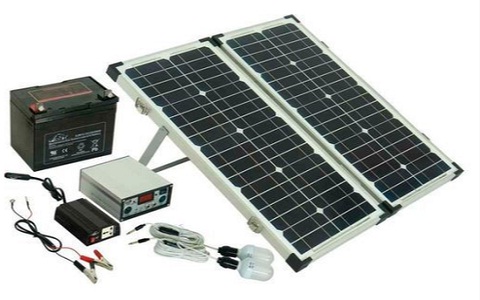
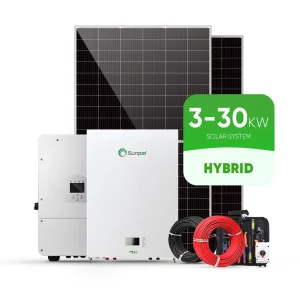
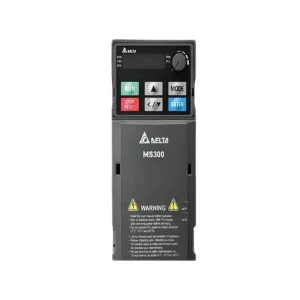
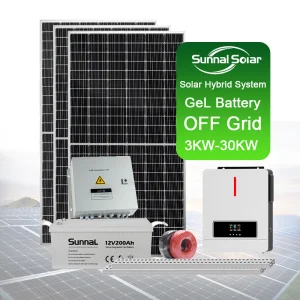
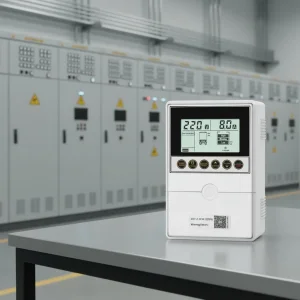
Explore our broad portfolio of home energy storage kits, standard VFDs, and smart water pump controllers designed to maximize power utilization efficiency.
 NovaVolt Service