Engineered for seamless multi-unit expansion, active current sharing, and heavy industrial load management across Georgia's commercial, residential, and agricultural sectors.
Analyzing the macro-economic energy transition, grid stability requirements, and technical imperatives for multi-inverter parallel architecture across Georgia.
The energy landscape in Georgia—ranging from the high-density urban commercial sectors of Atlanta to the expansive agricultural centers in Southern Georgia and coastal industrial logistics along the Savannah corridor—is undergoing a rapid transformation. With industrial power tariffs fluctuating and peak demand charges placing pressure on commercial enterprise margins, decentralized solar PV systems integrated with parallel inverter capabilities have transitioned from an optional green initiative to an operational necessity.
Heavy inductive loads, such as cold-storage refrigeration in agricultural facilities, high-capacity HVAC units, and logistics automation, demand power resilience that standalone single inverters cannot reliably supply without prohibitive upfront equipment oversizing.
Inverter parallel kits enable multiple hybrid or off-grid inverters to operate as a synchronized, single-phase, split-phase, or three-phase power unit. By utilizing high-speed CAN-bus or RS485 communication lines, parallel kits dynamically equalize real-time current distribution across all units, maintaining tight phase-angle alignment (<1°) and voltage matching.
For solar EPC contractors and commercial engineering firms in Georgia, utilizing high-grade parallel kits provides Modular Scalability, Hot-Swappable Redundancy (N+1), and Lower Initial Capital Expenditure. Instead of installing a rigid 100kW central inverter, clients can deploy modular 5kW, 10kW, or 15kW units that scale smoothly as facility load requirements grow.
A rigorous whitepaper breakdown of signal synchronization, phase matching, dynamic load balance, and fault isolation in multi-inverter setups.
Our industrial parallel kits incorporate dual galvanic-isolated CAN-bus ports dedicated to inter-inverter telemetry exchange. Transmitting data frames at 500 kbps, master-slave handshakes occur every millisecond. This ensures zero phase shift during grid-to-battery transitions and eliminates circulating neutral currents that typically plague legacy parallel configurations.
Designed to handle standard North American grid topologies found in Georgia (120V/240V Split-Phase) as well as commercial 208V/480V Three-Phase Delta/Wye setups. The parallel kit enables automatic phase grouping, allowing individual single-phase hybrid inverters to locked-step synchronize onto Phase A, Phase B, or Phase C with precision vector displacement (120° apart).
In high-availability commercial installations, power continuity is vital. NovaVolt parallel architecture features self-healing master election algorithms. If the designated Master Inverter suffers an AC grid fault or thermal cutoff, the parallel kit automatically nominates a Slave unit to assume Master timing within 4 milliseconds without dropouts to sensitive IT or medical loads.
| Engineering Metrics | Traditional Single Central Inverter | NovaVolt Modular Parallel Inverter Kit Setup |
|---|---|---|
| System Redundancy (N+1) | Zero redundancy. Single point of failure brings down total array output. | High redundancy. Automatic fault isolation allows healthy inverters to maintain load supply. |
| Capital Expenditure Scalability | High upfront cost. Oversizing required for potential future expansion. | Pay-as-you-grow model. Add 5kW-15kW parallel modules incrementally as demand increases. |
| Maintenance & Field Repairs | Requires specialized high-voltage factory technicians; prolonged facility downtime. | Standard technician hot-swap. Faulty unit detached without turning off system power. |
| Thermal Management & Efficiency | Concentrated heat output; requires heavy localized HVAC cooling. | Distributed thermal dissipation across chassis units; optimized for humid ambient environments. |
| Surge Capacity Optimization | Surge capacity hard-limited by single transformer/inverter rating. | Aggregated surge rating combined across all paralleled units (up to 3x nominal continuous rating). |
Deploying specialized parallel inverter systems across key commercial, agricultural, and industrial sectors throughout the state of Georgia.
Peanut processing plants, pecan orchards, and poultry facilities in South Georgia experience heavy seasonal motor start-up surges. Paralleling 6 to 9 hybrid units creates a high-torque inductive load buffer. The parallel kit enables instantaneous surge-power synthesis while drawing stored energy from high-voltage LiFePO4 battery banks during peak grid tariff hours.
Distribution centers along major transit arteries require extensive rooftop solar capacity. Inverter parallel kits allow warehouse operators to expand solar capacity in phases across separate building wings without replacing main distribution switchboards. The parallel master unit communicates directly with building EMS systems via Modbus TCP for peak shaving.
Off-grid properties and rural luxury estates in North Georgia mountains require clean, quiet, and continuous 120V/240V split-phase power. Parallel kits synchronize dual 5kW or 8kW inverters, delivering reliable energy for central AC units, EV chargers, and pool pumps with zero flicker during grid dropouts.
Ensuring full alignment with North American safety codes, utility regulations, and rapid shutdown imperatives.
Grid-tied parallel inverter systems exported to or deployed in Georgia must comply strictly with UL 1741 SA/SB standards and IEEE 1547-2018 grid interconnection requirements. NovaVolt parallel kits incorporate integrated smart inverter parameters, supporting active voltage-reactive power control (Volt-VAR), frequency-watt droop response, and anti-islanding protection demanded by local power utilities such as Georgia Power and EMC cooperatives.
National Electrical Code (NEC) Article 690.12 mandates rapid shutdown of PV arrays on buildings to safeguard emergency responders. Our parallel inverter solutions integrate seamlessly with module-level rapid shutdown transmitters (PLC), initiating DC voltage mitigation within 30 seconds of system isolation. Equipped with Class-A arc-fault circuit protection (AFCI), NovaVolt parallel systems eliminate fire risks associated with high-voltage DC arrays.
Driven by Innovation, Powered by Expertise
Shenzhen NovaVolt Service Co., Ltd. is dedicated to becoming a leading global provider of advanced solar inverter and energy solutions. Backed by over 20 years of experience in industrial electrical control systems, NovaVolt combines deep technical expertise with a forward-looking innovation strategy to deliver reliable, high-performance products to customers worldwide.
Our strength lies in a highly skilled R&D team, composed of senior engineers with extensive experience in power electronics and product development, including professionals from globally recognized Fortune 500 companies. With a portfolio of more than 30 technical patents, we continuously invest over 10% of our annual revenue into research and development—ensuring ongoing breakthroughs in efficiency, system stability, and intelligent energy management.
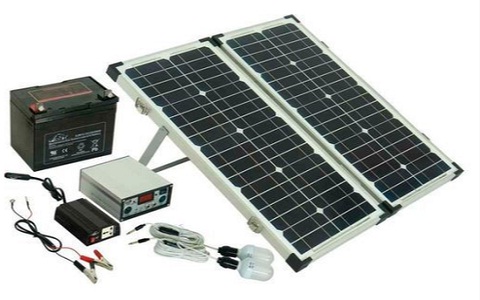
Precision in Every Detail
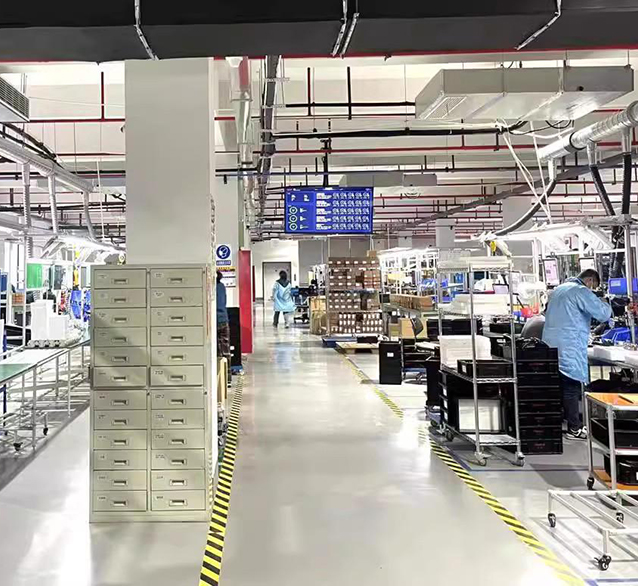
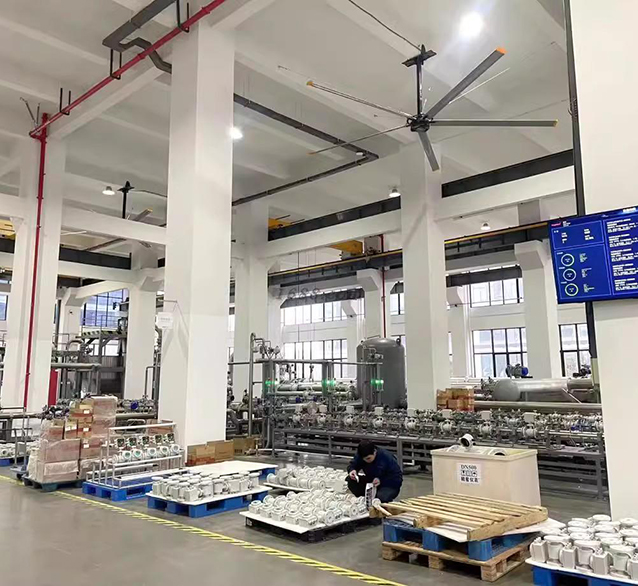
At NovaVolt, quality is not just a standard—it is a commitment embedded in every stage of our operations. We implement a comprehensive quality management system that covers the entire product lifecycle, from initial design validation to after-sales optimization.
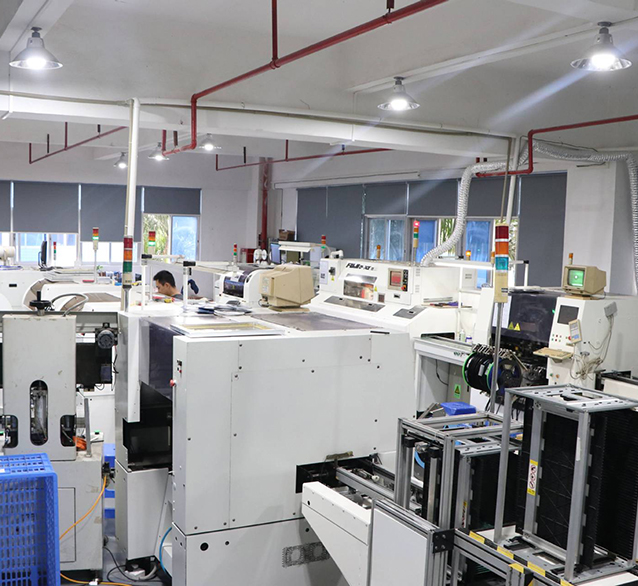
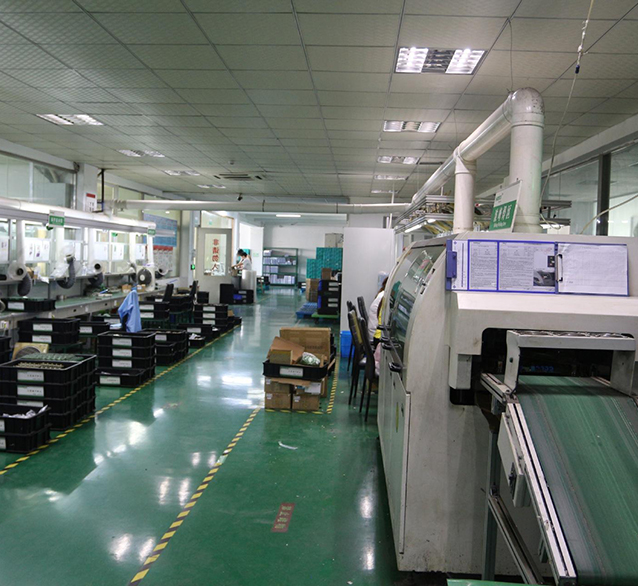
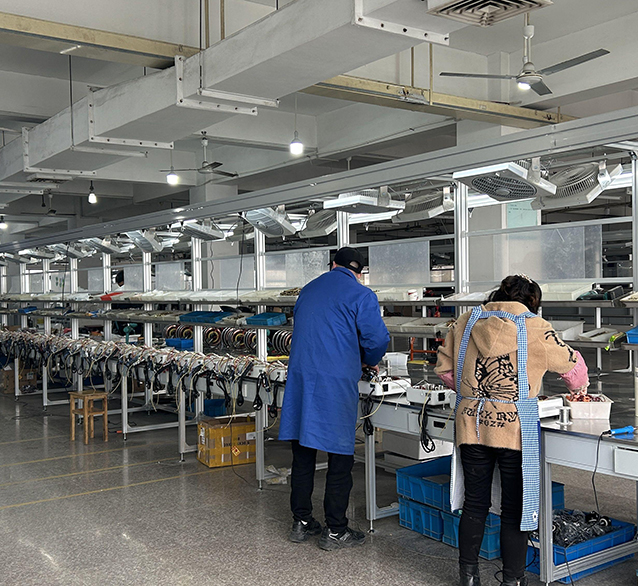
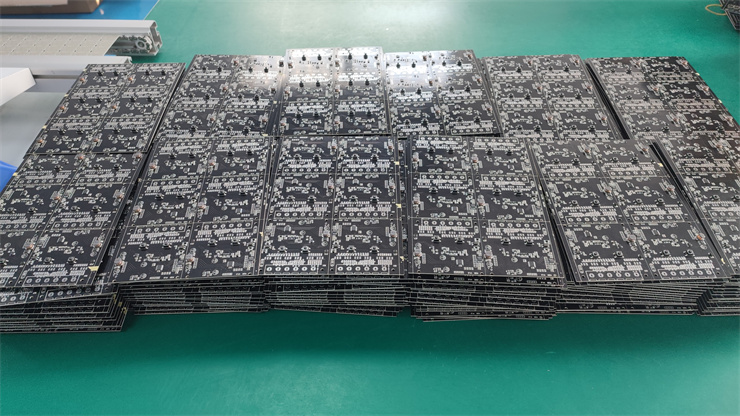
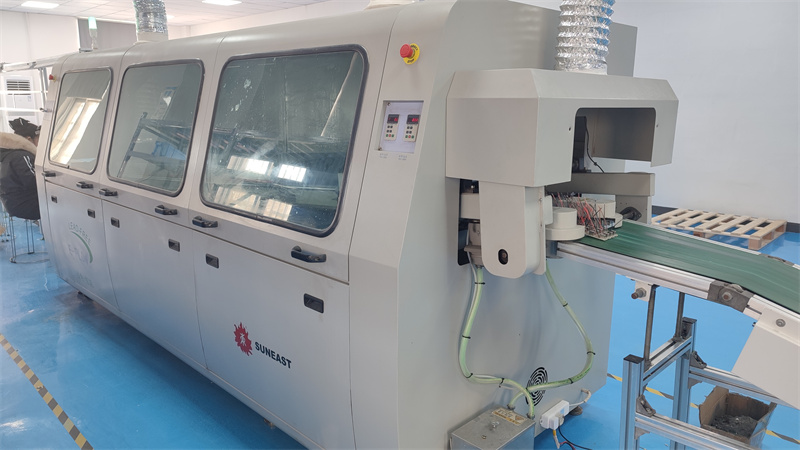
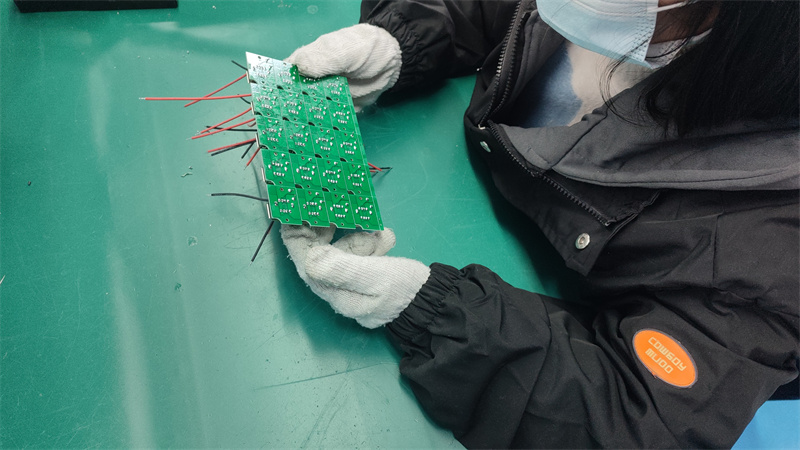
Our manufacturing process follows strict international standards. Each PCBA undergoes more than ten critical processes, including solder paste printing, SMT placement, reflow soldering, and AOI (Automated Optical Inspection). Every step is executed with precision craftsmanship, ensuring superior product consistency, durability, and long-term reliability.
Engineering Reliability Through Technology
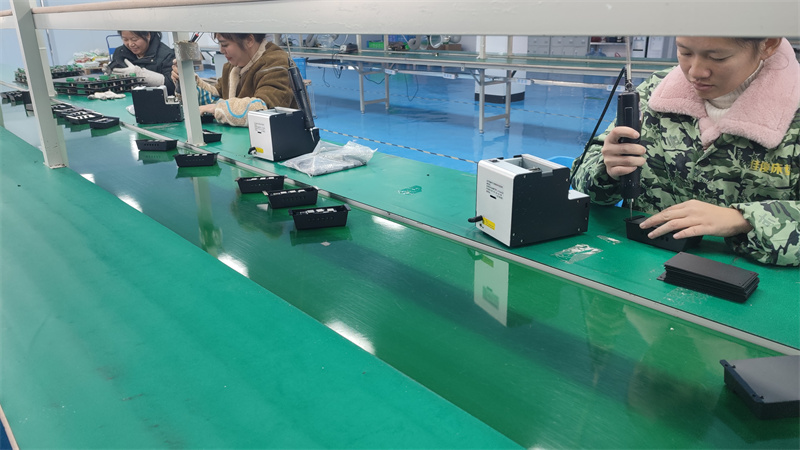
NovaVolt embraces intelligent manufacturing to deliver exceptional product performance. Our advanced production lines are equipped with automated AOI systems, PLC/IPC-based intelligent testing platforms, and real-time data acquisition systems.
Through a fully integrated ERP management system, we achieve complete traceability across the entire production process—from raw material sourcing to final delivery. This digitalized and data-driven approach enhances operational efficiency, minimizes errors, and guarantees consistent product quality at scale.
Empowering a Sustainable Energy Future
At NovaVolt, we believe our mission extends beyond manufacturing inverters. We are committed to enabling a smarter and more sustainable energy ecosystem. By leveraging cutting-edge technology, we maximize the utilization of solar energy—transforming every ray of sunlight into stable, efficient, and clean power.
We strive to build long-term partnerships with our customers, delivering not only products but also trust, innovation, and value. Together, we are shaping a greener, low-carbon future for generations to come.



Architecting future-proof parallel platforms to lead the transition toward decentralized Virtual Power Plants (VPP) and AI power routing.
NovaVolt is integrating Wide Bandgap SiC semiconductor devices into next-generation parallel inverters. SiC technology cuts switching thermal losses by 45%, allowing higher power density, smaller passive choke filters, and 99.1% peak efficiency across parallel inverter matrices.
Future energy grids in Georgia will rely on aggregate energy storage. NovaVolt parallel kits feature native OpenADR 2.0b protocols, enabling multi-inverter installations across commercial buildings to participate in demand response events orchestrated by utility dispatchers.
By monitoring micro-grid impedance and environmental weather feeds, NovaVolt parallel controllers dynamically optimize current sharing based on real-time inverter operating temperatures, maximizing overall system lifespan and preventing individual unit degradation.
Expert insights addressing key installation, engineering, and procurement questions for Georgia solar projects.
Explore our complete inventory of off-grid kits, high-capacity hybrid generators, and paralleling energy systems for export and deployment.




 NovaVolt Service