🔍 Product Description
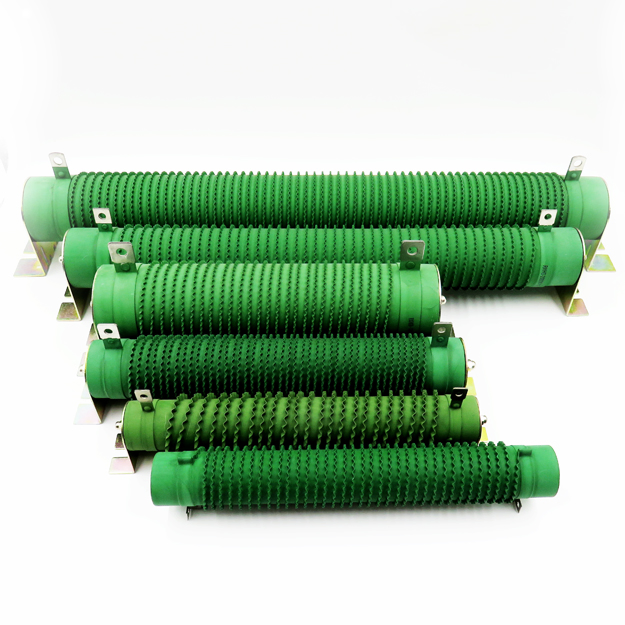
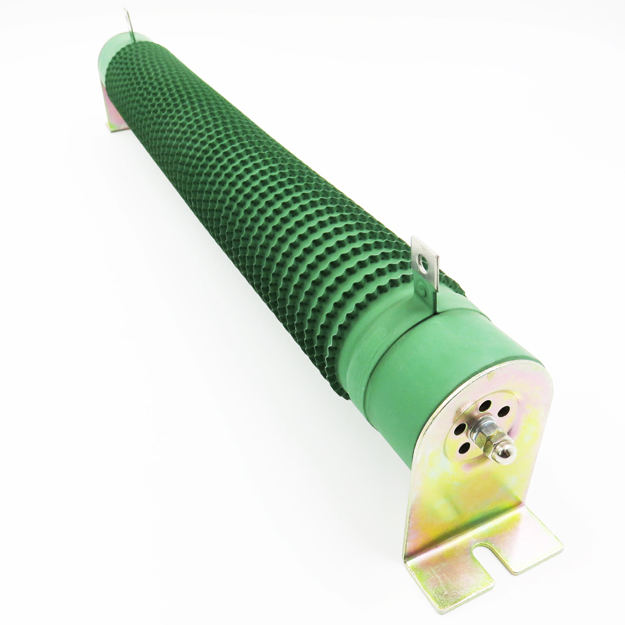
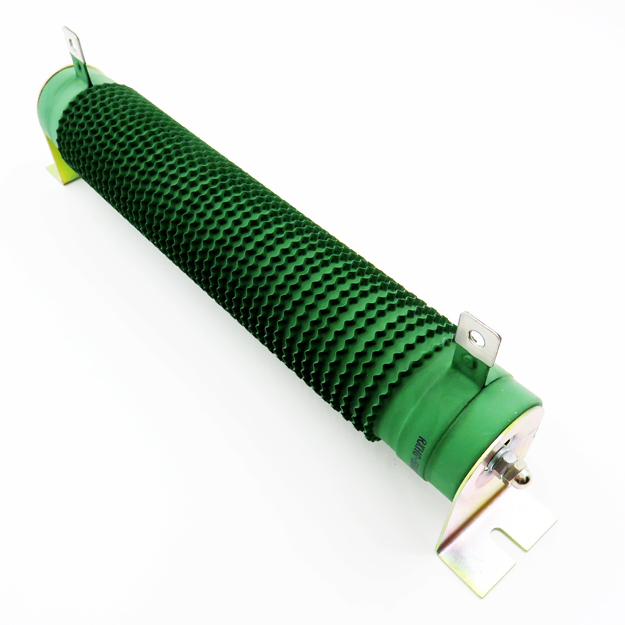
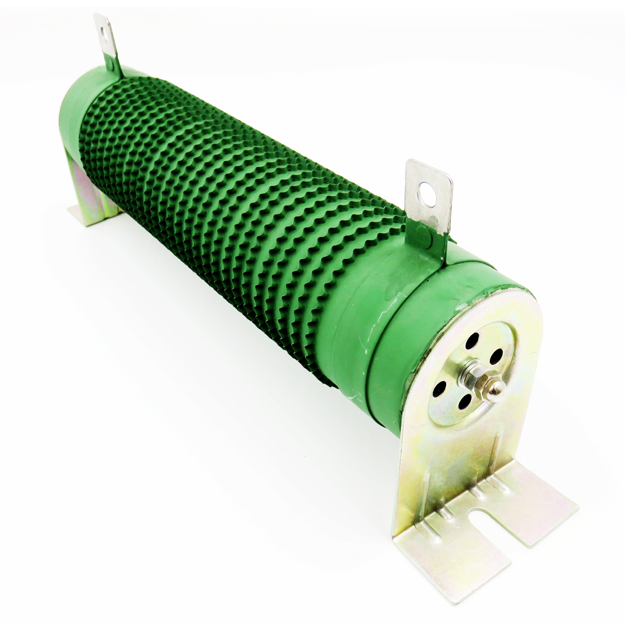
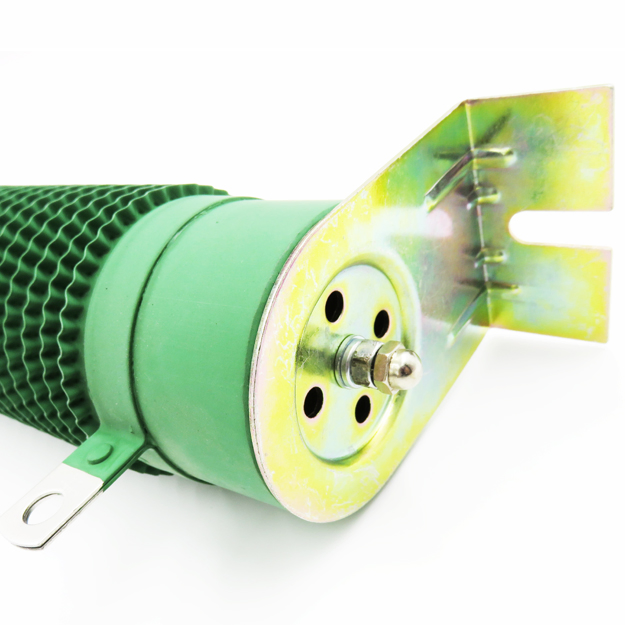
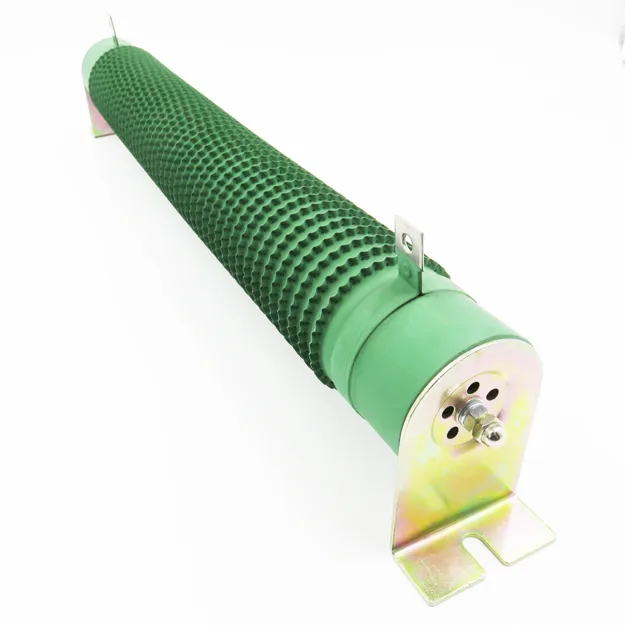
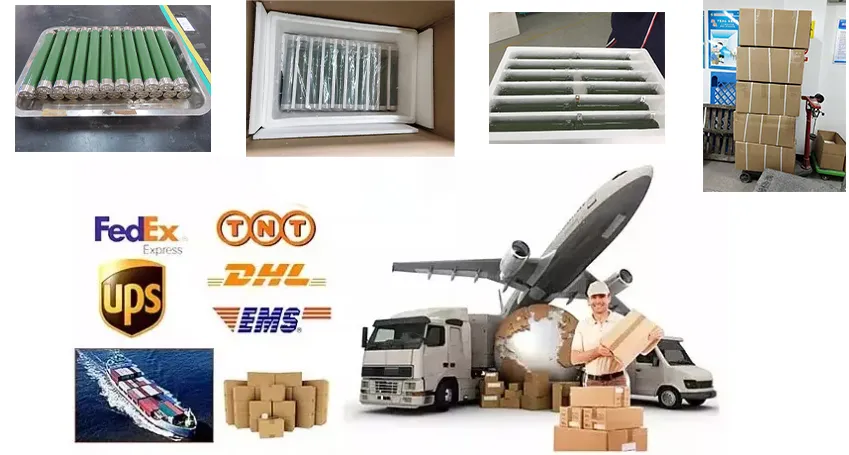
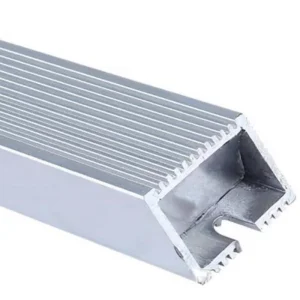
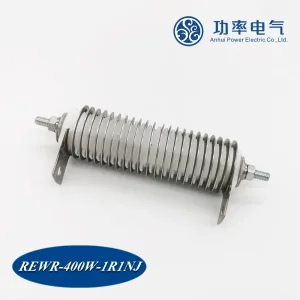
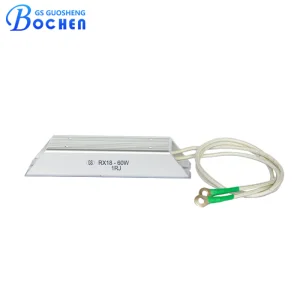
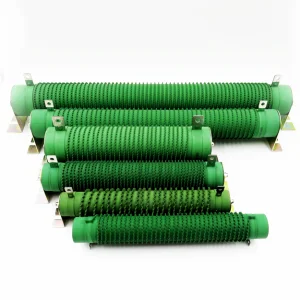
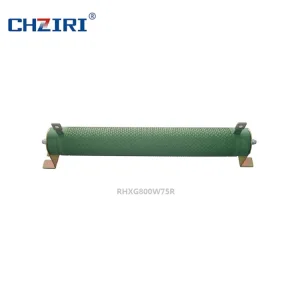
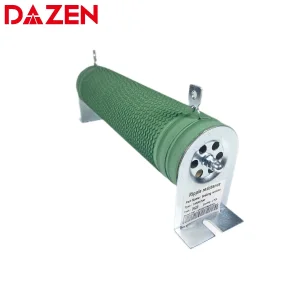
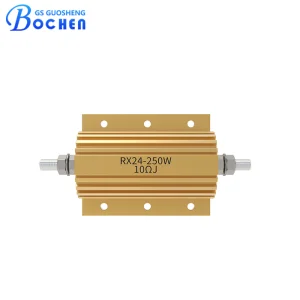
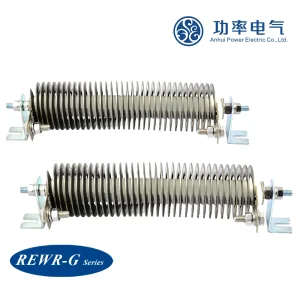
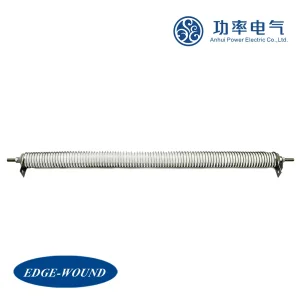
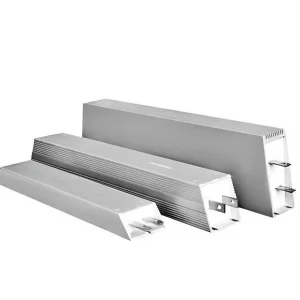
The resistor range of flameproof coated tubular ceramic core resistors use both standard and edge wound (corrugated) winding methods to improve power handling capability. Designed for heavy duty machinery, electrical equipment, motor control etc. requiring stability and reliability.
| Coating |
Lead free vitreous enamel, Flameproof silicon resin |
| Core |
Ceramic rod |
| Tolerance |
±5% |
| Resistance Temperature Coefficient |
±50PPM-±400PPM |
| Resistance Range |
10 Ohm-100 Ohm |
| Power Range |
500w-10kW |
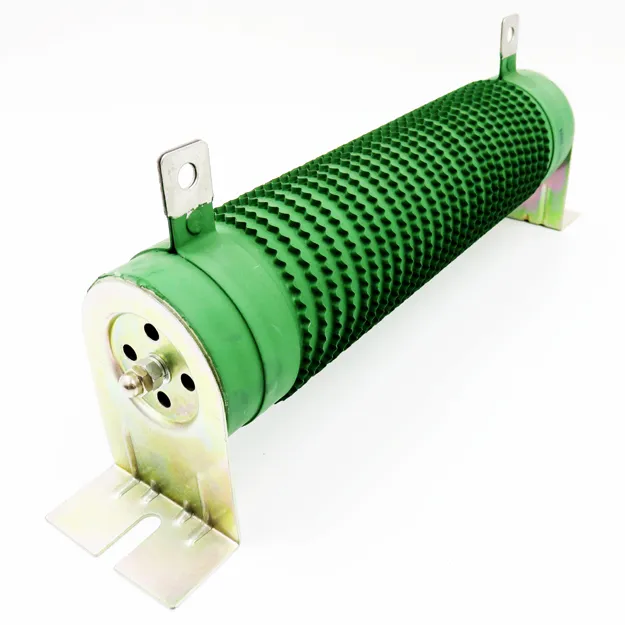
✨ Chief Characteristics:
- Vertical corrugated winding for space saving.
- Favorable heat dissipation performance.
- Prolonged service life with robust construction.
- Two coating methods: glass glaze or high-temperature organic material.
- Alloy resistance wire wound on insulating substrate.
Applications Scope:
- Suitable for large power equipment of DC or low frequency AC circuits.
- Electronic test equipment, high voltage switches, and electric transport.
- Medical equipment manufacture and high voltage electrostatic precipitators.
🏢 Profile
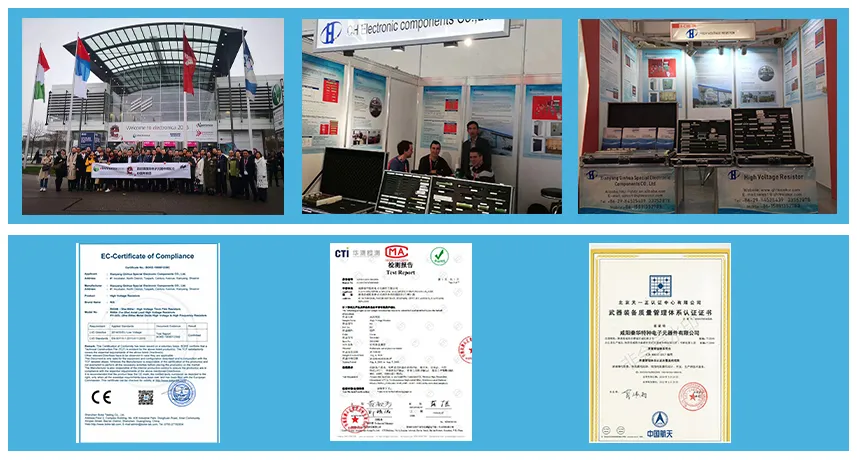
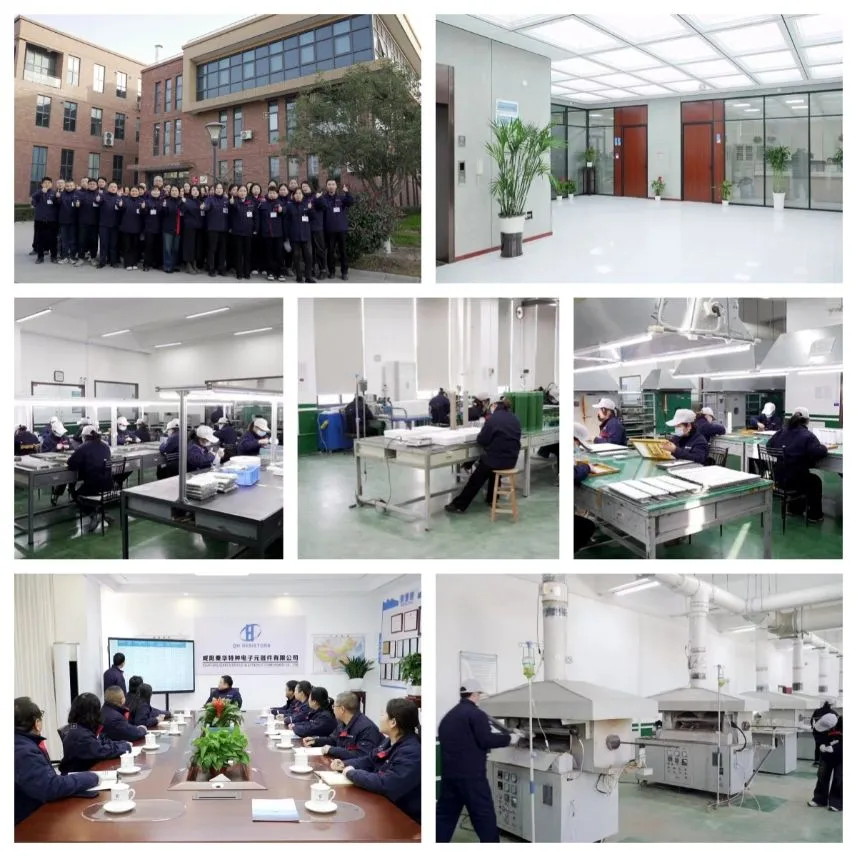
Established in 2000, we have developed into a professional manufacturer with a dedicated R&D team and advanced precision testing laboratories. Our facility includes high voltage testing labs capable of up to 100kv loading tests and high current water-cooled system testing.
Our main product range includes high voltage thick film resistors, high frequency non-inductive resistors, and water-cooled resistors. All products are CE and RoHS compliant, serving customers globally in fields such as medical technology, power plants, and physics research.
❓ FAQ
1. How to choose the right resistor for different voltages?
For low voltage (220V-3.5kV), wirewound resistors are recommended. For high voltage (above 5.0kV), glass glaze resistors are better. High-frequency circuits typically require oxide film or glass glaze resistors due to their low inductance.
2. What are the characteristics of Glass Glaze Resistors?
They feature extremely stable chemical properties with a power range of 0.5-500W and a wide resistance range. They offer excellent frequency response compared to wirewound types.
3. Are your resistors truly non-inductive?
Oxide Film Resistors are considered truly non-inductive with a frequency response ≥100MHz. Wirewound resistors have the highest inductance among the three common types.
4. How should I choose the resistor power for safety?
Load resistors at full power can reach surface temperatures of 300°C. For safe use, we recommend maintaining surface temperatures below 200°C. Therefore, power derating should be considered during selection.
5. What is "Withstanding Voltage" in your specifications?
It measures the performance of the insulation coating or carrier (like porcelain). It is an indicator of insulation safety and is not necessarily linked to the resistor's power or resistance value.
6. Why do you need my specific application parameters?
Providing data like working voltage, tolerance, and temperature coefficient allows us to choose the optimum resistor for you, which reduces power consumption and extends the service life of your equipment.