Can I use a VFD for a swimming pool pump? In many cases, yes, but the answer depends on the motor, pump design, and electrical system. A variable frequency drive can adjust motor speed instead of running the pump at full power continuously. This may reduce energy use, lower operating noise, and support gentler filtration. Picture a quiet pump room at midnight, with the motor turning steadily rather than starting harshly every few hours. That practical difference matters to homeowners and pool technicians.
A VFD is not automatically compatible with every pool pump. The motor should be rated for inverter duty, or the manufacturer should approve variable-speed operation. The drive must also match voltage, phase, horsepower, current, and enclosure requirements. Incorrect sizing can cause overheating, nuisance trips, or premature motor failure. A qualified electrician or pool professional should verify grounding, bonding, disconnects, and protection against moisture. Local electrical requirements also deserve careful attention. Small details matter.
Speed control requires thoughtful programming. A lower speed may work well during ordinary filtration, while higher speed may be needed for heating, cleaning, or water features. However, reducing speed too far can weaken skimming and circulation. This is where real-world testing helps. Watch the water movement, filter pressure, and motor temperature. Do not trust a promising energy estimate alone. My experience with pump systems suggests that savings depend on runtime, hydraulic resistance, and maintenance habits. A VFD can be valuable, but it is not a universal upgrade. Careful selection makes the difference.
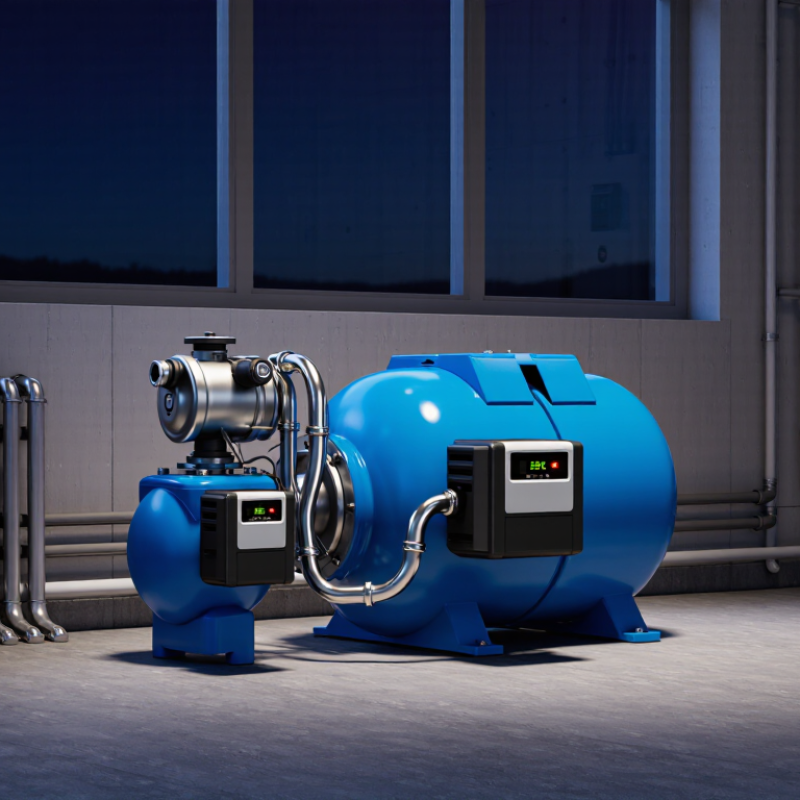
Why Use a VFD for a Swimming Pool Pump?
Swimming pool flow rarely stays constant. Filtration may need gentle circulation, while heating, cleaning, or skimming requires higher flow. A variable frequency drive (VFD) adjusts motor speed to match these changing demands. This avoids running a pump at full speed all day. According to the Hydraulic Institute’s affinity laws, reducing speed to 80% can lower theoretical power demand to about 51%. Real pools are messier, though. Pipe friction, dirty filters, and incorrect sizing reduce the actual savings.
The U.S. Department of Energy’s pool pump efficiency rules recognize the value of efficient, multi-speed operation. ENERGY STAR data also reports that certified pool pumps can be about 65% more energy-efficient than standard models. The benefit depends on control settings, not just the motor. A pump running too slowly may fail to maintain skimming or chemical distribution. A pump running too fast wastes energy and can increase filter pressure. Flow is not constant.
Tips: Record pressure, flow, and operating hours before changing settings. Use lower speeds during normal filtration, then raise speed for heating or cleaning. Check the manufacturer’s minimum motor speed and the filter’s maximum flow rating. Do not assume the lowest speed is best. Test water clarity, turnover, and pressure for several days. That small review can expose an attractive setting that performs poorly.
Swimming Pool Pump Operation and Variable Flow Requirements
This chart shows an illustrative centrifugal pool pump rated at 30 m³/h and 5.5 kW at full speed. Flow changes approximately in proportion to pump speed, while input power follows the affinity-law relationship of speed³. Reducing speed to match filtration, heating, or water-feature demand can therefore lower energy use substantially while maintaining the required circulation rate.
Values are calculated from standard centrifugal pump affinity laws and are intended for comparison. Actual performance depends on system resistance, pipework, filter condition, water temperature, and pump efficiency.
Why Use a VFD for a Swimming Pool Pump?
A variable frequency drive (VFD) controls pool pump speed by changing the motor’s electrical frequency. Instead of running continuously at full speed, the pump can slow during filtration and increase speed during cleaning or heating. The U.S. Department of Energy’s pump affinity laws show that power demand can fall roughly with the cube of speed. A 20% speed reduction may therefore cut theoretical power use by about 50%, although real installations perform differently.
This control also improves motor performance. A gradual ramp reduces starting current and limits sudden mechanical stress on the shaft, bearings, and plumbing. At lower speed, water moves more quietly through pipes and filters. The VFD can maintain a target flow rate as filter pressure changes. That matters beside a pool deck, where vibration and noise are easy to notice. Energy Star and U.S. Department of Energy guidance consistently identify circulation pumps as significant residential pool energy loads, supporting speed control as a practical efficiency measure.
However, slower is not always better. Insufficient flow can weaken skimming, reduce heater performance, or interrupt sanitation cycles. A technician should verify flow, pressure, motor compatibility, and minimum operating speed. The claimed savings can also disappoint when programming is poor. Real-world results depend on pipe layout, filter condition, runtime, and hydraulic demand—not just the VFD itself.
| Performance Dimension | Fixed-Speed Operation | VFD-Controlled Operation | Practical Effect in a Pool System |
|---|---|---|---|
| Motor speed control | Typically runs at the motor’s rated speed whenever energized. | Adjusts motor frequency and voltage to vary pump speed continuously within the programmed operating range. | The pump can use a lower speed for filtration and a higher speed for backwashing, heating, or cleaning. |
| Pump flow relationship | Flow is commonly controlled by starting and stopping the pump or by restricting the system with valves. | Flow changes approximately in proportion to rotational speed when the system conditions remain comparable. | Lower speed can provide steady circulation without forcing full-rate flow through the filter and pipework. |
| Pressure and head | Produces the pump’s available pressure at its fixed operating speed. | Pump head changes approximately with the square of speed ratio. | Reducing speed can lower pressure on filters, seals, heaters, and pipe connections. |
| Hydraulic power demand | Often draws close to its rated electrical load while operating, even when the pool needs only moderate circulation. | Pump power changes approximately with the cube of speed ratio under similar system conditions. | Small speed reductions can create a disproportionately large reduction in hydraulic power demand. |
| Illustrative speed example | At 100% speed: reference flow = 100%, reference head = 100%, reference power = 100%. | At 80% speed: flow ≈ 80%, head ≈ 64%, and hydraulic power ≈ 51% of the reference values. | Actual results depend on the pump curve, system curve, motor efficiency, VFD losses, and operating conditions. |
| Energy-use potential | May consume more energy than necessary during long periods of low-demand circulation. | Can reduce energy consumption by matching speed to required flow and operating schedule. | The greatest opportunity is usually during extended filtration periods, not during short high-flow tasks. |
| Starting current and acceleration | Direct starting can create a high inrush current and an abrupt mechanical start. | Provides controlled acceleration and deceleration using programmed ramps. | Helps reduce hydraulic shock, belt or coupling stress, and sudden pressure changes. |
| Noise and vibration | Full-speed operation can generate more airflow, hydraulic noise, and vibration than necessary. | Lower operating speeds generally reduce fan noise and hydraulic turbulence, provided the motor and pump remain within approved limits. | Can improve acoustic comfort near residential pools and equipment rooms. |
| Filtration cycle | Usually relies on shorter operating periods at a higher flow rate. | Can run longer at a lower flow rate while maintaining the required daily turnover. | Longer, gentler circulation may support stable filtration and chemical distribution. |
| High-flow functions | Operates at its available fixed speed for every task. | Can use a higher programmed speed for heating, water features, vacuuming, or filter backwashing when required. | One pump can support different operating requirements without relying solely on throttling valves. |
| Motor thermal performance | Motor cooling is normally based on a relatively constant operating speed. | Lower speed can reduce the motor’s built-in cooling airflow; the motor must be approved for the intended variable-speed duty. | Correct motor selection, minimum-speed settings, overload protection, and ventilation are essential. |
| Control and automation | Typically provides on/off control, timers, or limited preset functions. | Can provide schedules, preset speeds, feedback signals, fault monitoring, and remote control through compatible systems. | Makes it easier to coordinate filtration, heating, sanitation, and water features. |
| Important design condition | Selects a pump primarily around a fixed duty point. | Requires matching the VFD, motor, pump curve, minimum flow, maximum speed, wiring, and protection settings. | A VFD improves control only when installed and programmed according to the motor and pump manufacturer’s technical requirements. |
A variable-frequency drive (VFD) lets a swimming pool pump slow down when the water needs less circulation. That matters because pump power rises sharply with speed. The U.S. Department of Energy’s Improving Pumping System Performance report describes the affinity laws: centrifugal-pump power changes approximately with the cube of rotational speed.
At 80% speed, ideal power demand can fall to about 51%. At 70%, it can approach 34%.
The calculation is not a promise. Filter condition, pipe resistance, water temperature, and required turnover all affect results. Real pools vary. Matching output to demand can prevent a full-speed motor from pushing unnecessary water through a clean filter at night.
In field practice, a useful setting may include quiet, lower-speed filtration, followed by shorter high-speed periods for cleaning or heating. The U.S. Department of Energy recommends measuring flow, pressure, operating hours, and control requirements before estimating savings. That discipline matters more than repeating a headline percentage.
The European Commission’s water-pump efficiency studies also emphasize the complete system, not motor efficiency alone. A VFD cannot correct an oversized pump or blocked filter. It may even waste energy if programmed poorly.
The difference is audible. Lower speed can reduce turbulence and motor loading, but water chemistry still requires dependable circulation. Installers should verify minimum flow, protect the drive from moisture, and compare kilowatt-hours before and after commissioning.
Otherwise, the saving may remain an assumption rather than measured performance.
A variable frequency drive (VFD) changes pump speed to match the pool’s actual circulation needs. In pool maintenance, its value appears through steadier filtration, controlled water movement, and reduced mechanical stress. At lower speeds, the pump moves water more gently and may allow the filter to capture fine debris more effectively. This can keep the water clearer while reducing unnecessary pressure across the filter.
I have found that steady flow also limits sudden pressure changes in pipes, valves, and filter tanks. The improvement is practical. However, slower is not automatically better. If turnover becomes insufficient, oils, dust, and sanitizer demand can increase. Technicians should check flow, filter pressure, water chemistry, and swimmer load before selecting a daily speed.
Water quality depends on circulation, chemistry, weather, and cleaning habits, not the VFD alone. A properly adjusted drive can support more consistent mixing after rain, heavy use, or chemical dosing. Equipment life may improve too. Soft starts reduce stress on bearings, seals, couplings, and electrical components. Some motors cool less effectively at very low speeds. That detail is easy to miss. Minimum-speed settings and regular inspections matter. Energy savings can be real, but poor programming may create weak circulation and uneven water treatment. One installation may perform well at a low setting, while another needs more flow because of pipe length, filter condition, or pool shape.
Selecting the right variable frequency drive, or VFD, starts with the pump motor. Check the motor’s voltage, phase, rated current, and frequency before comparing drive sizes. A VFD must match the motor, not only the pump’s horsepower. Oversizing may increase cost, while undersizing can cause overheating and nuisance trips. Select a unit with suitable overload protection and programming for the motor’s service factor.
Water exposure makes installation details critical. Use an enclosure rated for the equipment room’s moisture and dust conditions. Install the VFD away from direct splashes, chemical storage, and standing water. Proper grounding, bonding, cable shielding, and separation from signal wiring can reduce electrical noise. A residual-current protection device may also be required by local regulations. Electrical work should follow the applicable code and be completed by a qualified professional.
Set a practical minimum speed. Running too slowly may reduce cooling, filtration, or skimming performance. Running too quickly wastes energy and can create unnecessary pipe pressure. Test the pump at several speeds, then verify flow, motor temperature, and water clarity. One detail is easy to miss: the pump’s cooling depends on operating conditions. I have seen settings that looked efficient but allowed the motor to run hotter than expected. A short commissioning record helps technicians adjust schedules later. Do not guess. Check the readings.
A VFD adjusts motor speed for filtration, heating, cleaning, and skimming. Flow changes. Lower speeds can reduce energy use, but real savings vary with pipe friction and filter condition.
No. A lower speed usually reduces power demand, but the pool may lose proper circulation. Water clarity, turnover, pressure, and skimming should remain acceptable. The lowest setting is not automatically best.
Use a gentle speed that maintains adequate turnover and chemical mixing. Raise the speed for heating, cleaning, or heavy swimmer use. Test it. Record pressure and flow for several days.
Controlled circulation can improve filtration and reduce sudden pressure changes. It may help distribute treatment chemicals more evenly after rain or heavy use. Water quality still depends on chemistry, weather, cleaning, and swimmer load.
Very low speed may reduce motor cooling and increase operating temperature. Check the motor’s minimum speed and temperature during testing. An efficient-looking setting can still run too hot. That detail is easy to miss.
Check the motor’s voltage, phase, rated current, frequency, and service factor. The VFD must match the motor, not only the pump horsepower. Undersizing can cause overheating and nuisance trips.
Install it in a suitable enclosure away from splashes, chemical storage, and standing water. Use proper grounding, bonding, cable shielding, and signal-wire separation. Electrical installation should follow local requirements and use qualified help.
Run the pump at several speeds and check flow, pressure, motor temperature, and water clarity. Confirm that the filter stays within its rated flow limit. Keep a short commissioning record. Do not guess.
A variable frequency drive (VFD) can make a swimming pool pump more efficient, flexible, and easier to manage. Instead of running at one fixed speed, the VFD adjusts motor speed according to actual pool requirements, such as filtration, heating, cleaning, or water circulation. This allows the pump to deliver the right flow without wasting energy through unnecessary high-speed operation. Can I use a VFD for a swimming pool pump? In many systems, yes, provided the drive, motor, wiring, and controls are properly matched and installed.
By maintaining suitable flow rates, a VFD can support effective filtration and stable water quality while reducing noise, vibration, and mechanical stress. Lower operating speeds may also extend the service life of the pump, motor, filter, and other connected equipment. When selecting and installing a pool pump VFD, important considerations include motor compatibility, required flow range, environmental protection, electrical capacity, control options, ventilation, and professional setup. Proper configuration ensures reliable performance, safety, and long-term energy savings.

NovaVolt Service