Variable Frequency Drives (VFDs) are crucial in industrial automation. They help control motor speed and torque efficiently. However, many operators face a common challenge: "Why is my VFD showing an 'Overcurrent' fault?" This issue can lead to production downtime and increased operational costs. According to the National Electrical Manufacturers Association (NEMA), 30% of industrial motor failures occur due to overcurrent conditions.
Overcurrent faults often stem from various issues, including load imbalances, short circuits, and improper settings. A recent report from the Institute of Electrical and Electronics Engineers (IEEE) highlights that VFD overcurrent faults can be exacerbated by environmental factors. For instance, high ambient temperatures might reduce the VFD's efficiency, leading to these faults.
Understanding the root causes of overcurrent faults is essential for maintaining operational efficiency. It is crucial to conduct regular inspections and adjustments. Industry experts suggest following best practices in VFD maintenance. Addressing these issues can help prevent costly downtime and improve overall system reliability. Investing time in troubleshooting is beneficial for operators facing "Why is my VFD showing an 'Overcurrent' fault?
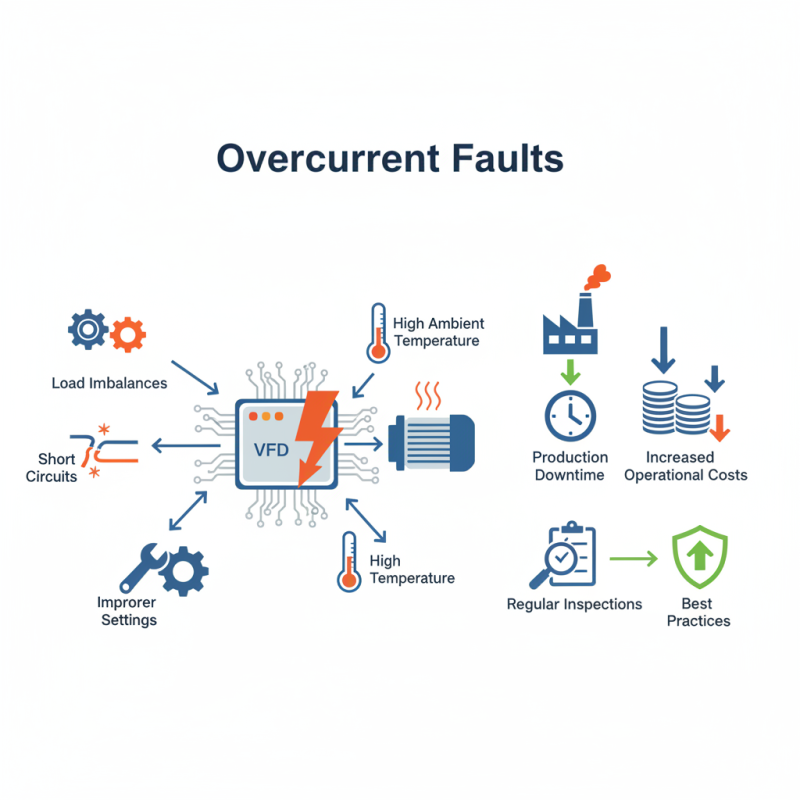
Overcurrent faults in Variable Frequency Drives (VFDs) can be frustrating. When a VFD displays this fault, it indicates that the current draw exceeds the drive's preset limits. This can lead to equipment damage if not addressed promptly. Factors like mechanical overload, incorrect settings, or improper wiring often contribute to these issues. Understanding the cause is crucial for effective troubleshooting.
Mechanical issues can often cause overcurrent faults. For instance, a jammed motor or a blocked fan can increase resistance, leading to higher current draw. Sometimes, the settings may be misconfigured, allowing excess current to pass through. Wiring problems, like loose connections, might also lead to this fault. Addressing these factors requires careful inspection and testing to ensure reliable operation.
Regular maintenance is essential to avoid overcurrent faults. Operators should check for signs of wear and damage in motors and connections. Testing the VFD settings against the motor's specifications helps prevent discrepancies. An incomplete understanding of these elements can lead to recurring problems. Reflections on past experiences can guide future practices, fostering better prevention of overcurrent faults.
Overcurrent faults in Variable Frequency Drives (VFDs) can stem from various causes. One common issue is the rapid acceleration of the motor. If the VFD commands too fast of a speed change, the motor draws excessive current, leading to a trip. According to a report by the Electric Power Research Institute, over 30% of drive failures are attributed to improper speed control settings.
Another reason for overcurrent faults is inadequate motor sizing. When a motor is undersized for its application, it may struggle to meet load demands. This constant strain on the motor can result in high current draw and ultimately lead to overcurrent trips. Studies show that up to 25% of industries experience operational inefficiencies due to misaligned motor specifications.
Environmental factors also play a significant role. Dust accumulation on components can cause overheating, increasing current draw. Furthermore, changing operational conditions, such as temperature shifts, can affect performance. Operators need to regularly assess their VFD systems to ensure they meet the required specifications and make necessary adjustments. Understanding these nuances can help mitigate risks associated with overcurrent faults.
| Cause | Description | Recommendations |
|---|---|---|
| Motor Overload | Excessive mechanical load on the motor leading to high current draw. | Reduce load or check for mechanical binding and jams. |
| Poor Wiring Connections | Faulty or loose connections causing high resistance in power supply. | Inspect and tighten all electrical connections. |
| Short Circuits | Direct connection between conductors resulting in high current flow. | Check for damaged insulation and rectify any faults in wiring. |
| Faulty VFD Components | Malfunctioning parts such as IGBTs or capacitors can cause overcurrent. | Test and replace any faulty components in the drive. |
| Inappropriate Settings | Improper configuration of speed and torque settings increases current draw. | Review and adjust VFD settings according to motor specifications. |
| Environmental Factors | Excessive heat or moisture affecting VFD operation. | Maintain proper environmental conditions around the VFD. |
Overcurrent in Variable Frequency Drives (VFDs) is a critical issue that can significantly impact performance and longevity. Studies reveal that overcurrent faults are one of the leading causes of VFD failures, accounting for nearly 30% of maintenance issues in industrial settings. When the current exceeds the designed limits, it can lead to overheating. This heat can degrade insulation, ultimately shortening the life expectancy of the drive components.
The effects of overcurrent extend beyond the VFD itself. Motors connected to VFDs may also suffer damage. A report from the Electric Power Research Institute indicates that approximately 20% of motor failures relate to overcurrent situations. This can lead to unplanned downtime and costly repairs. Machines may not operate at optimal levels due to distorted signals or inconsistent speeds, pushing production efficiency down by up to 15%.
Addressing overcurrent issues requires a careful analysis of the system. Regular monitoring and preventive measures can be implemented to mitigate risks. However, many facilities still rely on outdated practices rather than adopting newer technologies to provide real-time data. Neglecting to update systems can lead to escalating failures, disrupting operations and posing safety hazards.
Overcurrent faults in Variable Frequency Drives (VFDs) can disrupt operations. Understanding preventive measures is essential. Properly maintaining equipment can lessen the risk of these issues.
First, you should regularly check the load conditions of your motors. Ensure they are not overloaded beyond their rated capacity. This can lead to significant strain on the VFD. Monitoring the current draw is crucial. It helps identify potential problems before they escalate.
Tips: Consider using a current clamp meter. This tool can help assess the motor's real-time performance. A quick inspection can prevent unexpected faults.
Next, ensure that all wiring connections are secure. Loose connections can cause spikes in current, leading to faults. Regular visual inspections can catch these issues early. In some cases, it's worth investing in vibration monitoring systems. These devices can detect irregularities that often precede overcurrent situations.
Tips: Document all maintenance activities. Keeping a log of inspections and repairs aids in identifying patterns. This information can guide further preventive measures.
Lastly, consider the environmental conditions of your setup. Dust and moisture can damage components and lead to faults. Maintaining a clean and dry area around the VFD will help in reducing the risk of overcurrent faults.
Overcurrent faults in Variable Frequency Drives (VFDs) are common and can be frustrating. When the display shows an overcurrent error, it usually indicates that the VFD is drawing more current than it should. This can happen for various reasons. For instance, excessive load conditions or motor issues can contribute to the problem. Sometimes, simply resetting the VFD may resolve the issue, but this is not always a permanent fix.
Checking the motor and load characteristics is essential. Ensure that the motor is not overloaded. An underperforming motor can lead to increased current draw. Additionally, inspect wiring connections for any signs of wear or damage. Loose or faulty connections can also result in unexpected current spikes. A visual inspection may reveal hidden problems that are easy to overlook.
Consider the environment too. High ambient temperatures can affect performance and lead to overcurrent faults. If the VFD is installed in a cramped space, that can also cause overheating. Addressing these factors could lead to improved performance. While troubleshooting, keep track of patterns. If overcurrent faults persist, it may indicate deeper issues that require professional assessment.
: Overcurrent occurs when the current exceeds the VFD's designed limits. It can severely affect performance and lifespan.
Common causes include excessive load conditions and wiring issues. These can lead to overheating and damage.
Overcurrent can damage motors, with about 20% of motor failures linked to overcurrent situations. This leads to costly repairs.
Regularly check motor load conditions and monitor current draw. This helps identify potential problems early.
Loose connections can lead to current spikes. Regular inspections are necessary to catch these issues before they escalate.
Dust, moisture, and high ambient temperatures can damage components. Keeping the area clean and dry is important.
Check motor load, inspect wiring, and consider the environment. Sometimes, resetting the VFD may temporarily resolve issues.
Keeping a log of inspections and repairs helps identify patterns. This information can inform future preventive measures.
Regularly monitor the load conditions and current draw. Using a current clamp meter can provide real-time insights.
If overcurrent faults persist despite troubleshooting, professional assessment may be necessary to address deeper issues.
When faced with the question, "Why is my VFD showing an 'Overcurrent' fault?", it is essential to understand the underlying mechanics of Variable Frequency Drives (VFDs). Overcurrent faults occur when the current flowing through the VFD exceeds its preset limits, leading to potential damage to the drive and connected equipment. Common causes include motor overload, mechanical binding, or sudden changes in load, which can impact the overall performance of the VFD and result in costly downtime.
To prevent these faults, implementing effective measures such as proper sizing of the VFD, ensuring adequate cooling, and routine maintenance is crucial. Troubleshooting steps for addressing overcurrent issues include checking for mechanical blockages, monitoring current levels, and reviewing system settings. By recognizing the causes and effects of overcurrent faults, VFD users can take proactive steps to enhance the reliability and longevity of their systems.

NovaVolt Service