In modern industrial settings, controlling pressure efficiently is crucial. Many facilities rely on Variable Frequency Drives (VFDs) to achieve this. The question, "How to program a VFD for constant pressure control?" is essential for engineers and technicians. A well-calibrated VFD can save energy, reduce operational costs, and enhance system reliability.
Programming a VFD involves understanding both the hardware and software components. It requires expertise in motor control and system dynamics. The process can be challenging. There may be common pitfalls, such as incorrect parameter settings or inadequate sensor calibration that hinder performance. Each system is unique, demanding a tailored approach to programming.
Real-world applications highlight the importance of constant pressure. For instance, water supply systems benefit significantly from this optimization. Yet, achieving the ideal setup might need various iterations. Efficient programming not only ensures stability but also extends equipment lifespan. With proper guidance, users can confidently tackle the complexities associated with VFD programming for constant pressure control.
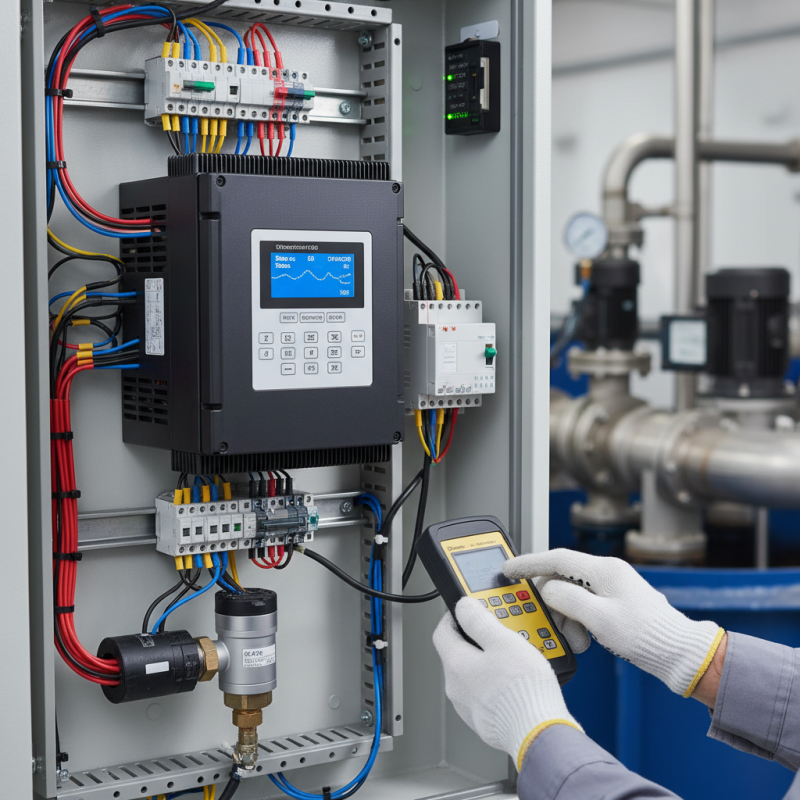
Variable Frequency Drives (VFDs) are essential for controlling motor speed and torque. They play a crucial role in various industries, particularly in applications that require constant pressure control. Understanding VFDs starts with grasping frequency modulation. By adjusting the frequency, you can manage motor speed effectively. This modulation leads to variations in fluid flow and pressure, which is critical in systems like HVAC and water supply.
Programming a VFD for constant pressure involves specific configurations. Set the desired pressure as your reference value. The VFD uses feedback from pressure sensors to adjust the motor speed. This creates a dynamic response to changes in demand. If the system demands more pressure, the VFD increases the motor speed. Conversely, it lowers the speed when the demand decreases. It's crucial to ensure the pressure sensor is accurate. An inaccurate sensor can lead to erratic pressure control.
Challenges may arise during programming. Ensuring that the VFD responds appropriately can take time and testing. You may encounter situations where the control loop becomes unstable or too slow. Regular fine-tuning is necessary to achieve optimal performance. Understanding the fundamentals is vital, yet real-world applications often reveal gaps in knowledge. Learning from these experiences will help enhance your programming skills.
Constant pressure control (CPC) plays a crucial role in various industries. It effectively maintains fluid pressure in systems like water supply, HVAC, and process controls. According to the Energy Efficiency Council, consistent pressure can reduce energy consumption by up to 30%. This statistic alone highlights the value of implementing a reliable constant pressure system.
One key aspect of CPC is its ability to enhance operational efficiency. Maintaining a steady pressure reduces energy waste and minimizes wear on pumps and other equipment. This not only extends system life but can significantly lower maintenance costs over time. Nonetheless, achieving desired pressure levels can be challenging. Incorrect programming of variable frequency drives (VFDs) may lead to fluctuations, causing inefficiencies.
Furthermore, the importance of real-time monitoring cannot be overstated. Systems that lack proper feedback mechanisms can struggle to adapt to changing demands. Implementing a robust feedback system can improve response times and adjust parameters seamlessly. Research indicates that incorporating monitoring solutions can enhance control accuracy by over 20%. It's essential to consider these elements carefully when designing VFD programs for constant pressure control.
When programming a variable frequency drive (VFD) for constant pressure control, understanding key parameters is essential. The setpoint pressure is critical. This value serves as the target pressure you want to maintain in the system. A small shift in this parameter can significantly impact system performance and energy efficiency.
Another important parameter is the pressure sensor feedback. Accurate readings from the sensor help the VFD adjust motor speed precisely. If the sensor is poorly calibrated, it can lead to pressure fluctuations. These fluctuations might cause wear on pumps and additional costs. VFD adjustments may need to be frequent to accommodate changes in system demand.
Additionally, the PID control loops require careful tuning. The proportional, integral, and derivative settings must align with the system’s response. Inadequate tuning can cause overshooting or delays in reaching the setpoint. It’s crucial to monitor the system response regularly. Reflection on past adjustments will enhance future performance, ensuring the system maintains desired pressure consistently.
Configuring a Variable Frequency Drive (VFD) for constant pressure control can enhance system efficiency. Begin by collecting necessary data, such as the desired pressure range and system characteristics. This information paves the way for effective programming. Each variable must align with operational needs. Make sure the pressure transducer is correctly calibrated. An inaccurate reading can lead to inefficient performance.
While programming, consider these tips. Ensure that the VFD parameters are set for the specific pump or motor in use. Incorrect settings may lead to system failure or excessive wear. Test the system frequently during configuration. Observing real-time performance helps identify any discrepancies early. Don’t overlook the potential for adjustments; constant monitoring enables fine-tuning of parameters for optimal results.
It’s also essential to regularly review system metrics post-setup. This feedback loop fosters improvements. Keep track of energy consumption and pressure fluctuations. These observations reveal areas needing enhancement. A proactive approach can help mitigate unforeseen issues in your VFD configuration. Remember, even a small miscalibration can lead to significant consequences over time. Adjustments based on careful analysis can vastly improve your setup's efficiency.
In constant pressure control systems, variable frequency drives (VFDs) often encounter common performance issues. One frequent problem is incorrect parameter settings. If values are not calibrated correctly, the system may not respond as expected. For instance, the pressure feedback loop might oscillate, leading to erratic pressure levels. Regular checks on these settings can prevent such fluctuations.
Another issue relates to sensor inaccuracies. Pressure sensors can drift over time. This drift can cause false readings, prompting the VFD to react inappropriately. It's essential to verify sensor functionality and recalibrate when necessary. Neglecting this step can result in poor system performance and energy inefficiencies.
Lastly, inspect the VFD's environment. Overheating can affect performance. Ensure that the VFD is well-ventilated and not exposed to excessive dust or moisture. Monitoring the drive’s temperature can help identify potential problems before they escalate. In pressure control applications, even small variations can lead to significant system inefficiencies. Addressing these points can enhance overall efficiency and reliability.
| Parameter | Recommended Value | Checking Frequency | Common Issues |
|---|---|---|---|
| Voltage Settings | Adjust to system voltage | Monthly | Incorrect voltage leading to system failure |
| Pressure Setpoint | Desired operational pressure | Weekly | Fluctuating pressure levels |
| Feedback Configuration | Pressure transducer type | Quarterly | Wrong feedback causing system lag |
| Control Algorithm | PID settings | Monthly | Unstable pressure control |
| Motor Protection | Overload and short circuit settings | Monthly | Motor overheating |
: A VFD controls motor speed and torque. It's essential for managing fluid flow and pressure in various systems.
The VFD adjusts motor speed based on feedback from pressure sensors. It increases speed with higher demand and decreases it when needed.
An inaccurate sensor can cause erratic pressure control. This inconsistency may lead to system wear and additional costs.
Key parameters include setpoint pressure and sensor feedback. Proper tuning of these ensures optimal performance and efficiency.
PID loops require careful tuning. Poor tuning can lead to delays or overshooting the target pressure, affecting system stability.
Regular observation of energy consumption and pressure fluctuations helps identify areas for improvement.
Challenges include system instability and slow response times. Regular fine-tuning and testing can help address these issues.
Testing helps identify discrepancies early, allowing for timely adjustments. It ensures the VFD operates as intended.
Even minor shifts can significantly affect system performance and efficiency. Careful management of this parameter is crucial.
Reflection on previous changes can lead to better tuning strategies. Learning from past experiences enhances overall system efficiency.
The article titled "How to Program a VFD for Constant Pressure Control Tips?" explores essential aspects of using Variable Frequency Drives (VFDs) for maintaining consistent pressure levels in various applications. It begins by highlighting the fundamentals of VFDs and elucidating the significance of constant pressure control in ensuring system efficiency and reliability.
Furthermore, the article delves into key parameters crucial for programming VFDs effectively and presents a detailed step-by-step guide for configuring these drives specifically for constant pressure control. Common troubleshooting tips are also provided, ensuring optimal performance in pressure systems. Overall, the article serves as a comprehensive resource for those seeking to understand how to program a VFD for constant pressure control, equipping them with the necessary knowledge and skills to enhance system performance.

NovaVolt Service