As the popularity of variable frequency drives (VFDs) continues to rise, many pool owners ask, "Can I use a VFD for a swimming pool pump?" This question is crucial for energy efficiency and cost savings. In 2026, advancements in technology may further support the feasibility of using VFDs for pool pumps.
Understanding how a VFD operates is essential. It allows for precise control of pump speed, adjusting flow rates based on needs. By reducing energy consumption during low-demand periods, VFDs can lead to significant savings. However, some may wonder about the installation process and compatibility with existing systems. Not every pump can accommodate a VFD without modifications.
Moreover, it's vital to consider the long-term implications. While VFDs can provide benefits, the upfront costs could deter some users. Evaluating the return on investment is key. Each swimming pool setup is unique, requiring tailored solutions. The question remains complex, urging pool owners to look into their specific situations before deciding.
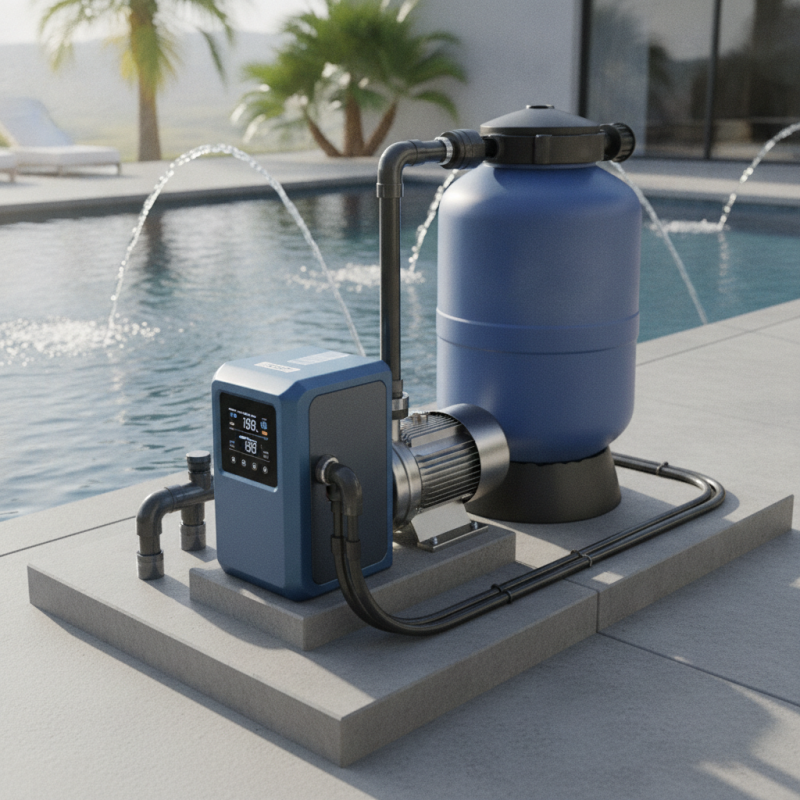
Variable Frequency Drives (VFDs) are gaining traction in the swimming pool industry. These systems control the speed of electric motors to optimize performance and energy consumption. A VFD allows for precise control, enabling a pool pump to run at variable speeds. The technology adjusts the motor speed based on the pool's needs, such as filtering and circulation. According to the U.S. Department of Energy, VFDs can reduce energy consumption by up to 50%, leading to significant savings on electricity bills.
Many pool owners may wonder about the practical application of VFDs. In a typical scenario, a VFD can adjust the pump speed during peak usage times. When the pool is in use, the pump can run faster for optimal filtration. During off-peak times, it can slow down without sacrificing water quality. However, integrating a VFD may require adjustments to existing pool systems and can involve initial setup challenges. Data from the Energy Research Center indicates that while VFDs require a capital investment, the long-term savings often justify the cost.
The reliability of VFDs makes them a favorable choice for modern pool systems. They offer advanced features such as overload protection and diagnostics, which enhance longevity. Reports indicate that improper installation can lead to variable performance. Ensuring a qualified technician manages your installation guarantees optimal function. Understanding both the benefits and potential pitfalls of using a VFD is crucial for pool owners planning for 2026 and beyond.
: A VFD adjusts the speed of a pump to improve energy efficiency and water circulation.
They allow pumps to operate at varying speeds, leading to energy savings and better water flow.
Yes, they may require specific features to meet new regulations, risking compliance if not properly selected.
It can significantly lower electricity costs by allowing the pump to operate at reduced speeds when needed.
Yes, it can be complex and may require skilled technicians familiar with both VFDs and pool technology.
Reduced energy consumption and extended pump lifespan can make the initial investment worthwhile over time.
Consult a qualified electrician and make sure the VFD matches your pump's specifications for best results.
Research different systems, their features, and how they align with your current pool setup before making a decision.
Incorrect installation can lead to unforeseen problems, which may require costly repairs or adjustments later.
Future standards will demand specific VFD features, so reassessing your current system now can save headaches later.
The article titled "Can I Use a VFD for My Swimming Pool Pump in 2026?" explores the practicality and advantages of integrating a Variable Frequency Drive (VFD) with swimming pool pump systems. A VFD allows for the precise control of motor speeds, promoting energy efficiency and potentially reducing operational costs for pool owners. As swimming pool technology evolves, the compatibility of VFD systems with the anticipated 2026 swimming pool standards is also assessed, ensuring compliance and optimal performance.
Furthermore, the article discusses the cost implications of implementing VFD technology, highlighting both initial investments and long-term savings. Maintenance considerations for VFD-equipped swimming pool pumps are addressed, emphasizing the importance of regular upkeep to maximize efficiency and lifespan. In conclusion, the inquiry "Can I use a VFD for a swimming pool pump?" is affirmed as a viable option for modern pool management, offering numerous benefits for energy-conscious consumers.

 NovaVolt Service