When dealing with solar pumps, understanding performance issues is crucial. A common question arises: "Why is my solar pump not reaching full speed?" Various factors can contribute to this concern. Issues can stem from both mechanical and environmental variables.
First, examine the solar panels. They should be clean and angled correctly to maximize sunlight exposure. If panels are dirty or shaded, energy output drops. Also, check the connections. Loose or corroded connections may affect power delivery.
Next, consider the pump itself. If it’s clogged or damaged, its efficiency decreases. Regular maintenance can help identify these problems early. Lastly, look into the pump specifications. Ensure the pump is suitable for your needs. Sometimes, using an oversized or undersized pump might lead to inadequate performance. Addressing these areas can help restore optimal speed.
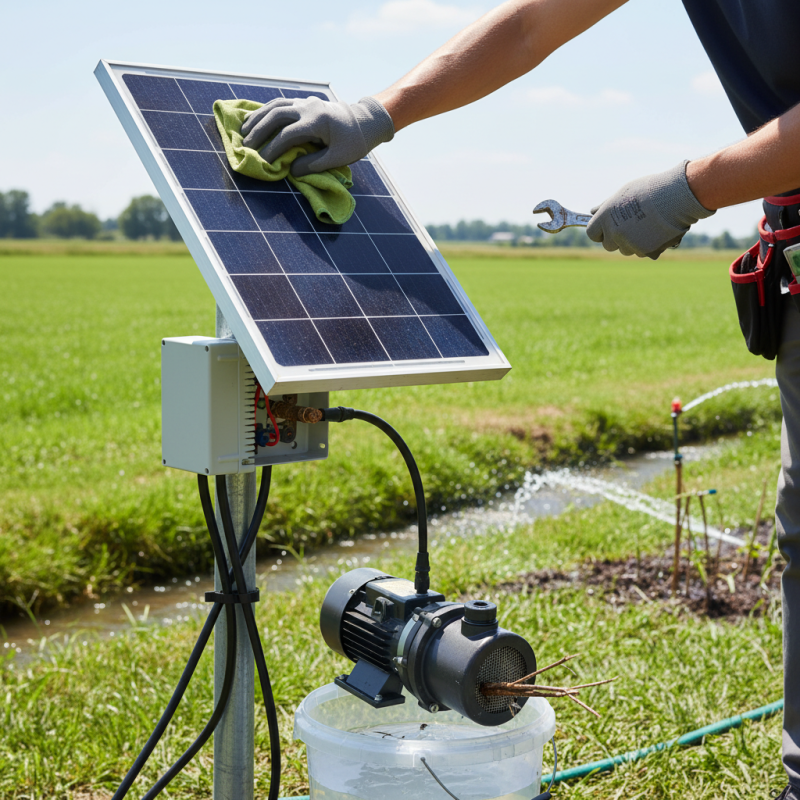
When solar pumps fail to reach full speed, it’s essential to identify common issues. One major factor could be insufficient sunlight exposure. Solar panels need optimal sunlight to generate the required energy. Check for any obstructions like dirt, trees, or buildings that may cast shadows on the panels.
Another common issue is pump obstruction. Debris can clog the intake, hindering water flow and reducing speed. Regularly inspect the pump and clean any blockages. Additionally, ensure that the pump and system components are properly sized. Mismatched sizes can lead to inefficiencies.
Battery performance often influences solar pump speed too. If batteries do not hold a charge, the pump may struggle. Monitor the battery condition and replace them if necessary. Keep in mind the importance of regular maintenance. Small problems can escalate if neglected, leading to even slower operations.
| Issue | Description | Solution | Prevention Tips |
|---|---|---|---|
| Insufficient Solar Input | Not enough sunlight reaching the solar panels. | Relocate or clean solar panels to maximize sunlight absorption. | Regularly check solar panel alignment and cleanliness. |
| Faulty Pump Components | Defective motor or worn parts affecting performance. | Inspect and replace damaged components as needed. | Perform routine maintenance and inspections. |
| Blocked Water Intake | Debris or sediment blocking the intake. | Clear any obstructions from the water intake. | Regularly inspect and clean the intake area. |
| Incorrect Size of Pump | Pump size does not match the intended application. | Consider installing a pump better suited to the requirements. | Consult with experts during installation to select proper pump size. |
: Insufficient sunlight exposure is a major factor. Obstructions like dirt and trees can block sunlight.
Regular maintenance is crucial. Ignoring small problems can lead to larger issues and slower operations.
Inspect for debris at the pump intake. Blockages can restrict water flow and reduce speed significantly.
If batteries don’t hold a charge, the pump will struggle. Monitor and replace weak batteries when necessary.
Blockages or wear can slow down pump speed. Inspect seals and impellers for damage or mineral build-up.
Ensure solar panels are clean and angled correctly. Check wiring for corrosion. These changes can enhance performance.
Regular inspections are vital. Checking components every few months can prevent future performance issues.
Yes, even small debris can hinder flow rates dramatically. Cleaning the system regularly helps maintain efficiency.
Maximum sunlight exposure is needed for optimal energy generation. Lack of exposure decreases overall pump efficiency.
Yes, evaluating the system helps spot potential issues. It promotes better maintenance and understanding of how everything works together.
If you're wondering, "Why is my solar pump not reaching full speed?", there are several common issues to consider. First, inspect the solar panel to ensure it is clean and positioned at the correct angle to maximize sunlight exposure. A dirty or poorly angled panel can significantly reduce the pump's performance.
Next, check the battery and electrical connections for any signs of inefficiency. Loose or corroded connections can hinder power flow, while a weak battery may not provide sufficient energy for optimal operation. Additionally, examine the pump mechanism itself for blockages or wear, as these factors can impede water flow. Finally, conducting a performance test of the entire system can help you identify any necessary adjustments to restore your solar pump to full speed.

 NovaVolt Service