Electromagnetic interference (EMI) is a growing concern in industrial environments. Variable Frequency Drives (VFDs) can be significant sources of EMI. Understanding how to reduce electromagnetic interference from a VFD is essential for maintaining equipment performance and ensuring safety. High levels of EMI can disrupt machinery, cause data loss, and even lead to costly downtime.
There are several strategies to tackle this issue. Shielding cables, using filters, and proper grounding are effective methods. However, many users still struggle to implement these techniques effectively. They may not have the necessary knowledge or experience. Identifying the right approach often requires trial and error, which can be frustrating. Learning from these experiences can provide valuable insights.
By focusing on practical solutions, we can minimize the impact of VFD-generated EMI. We can also enhance system reliability and efficiency. Finding a balance between performance and interference control is crucial. Ultimately, understanding how to reduce electromagnetic interference from a VFD will benefit both individual users and the broader industry.
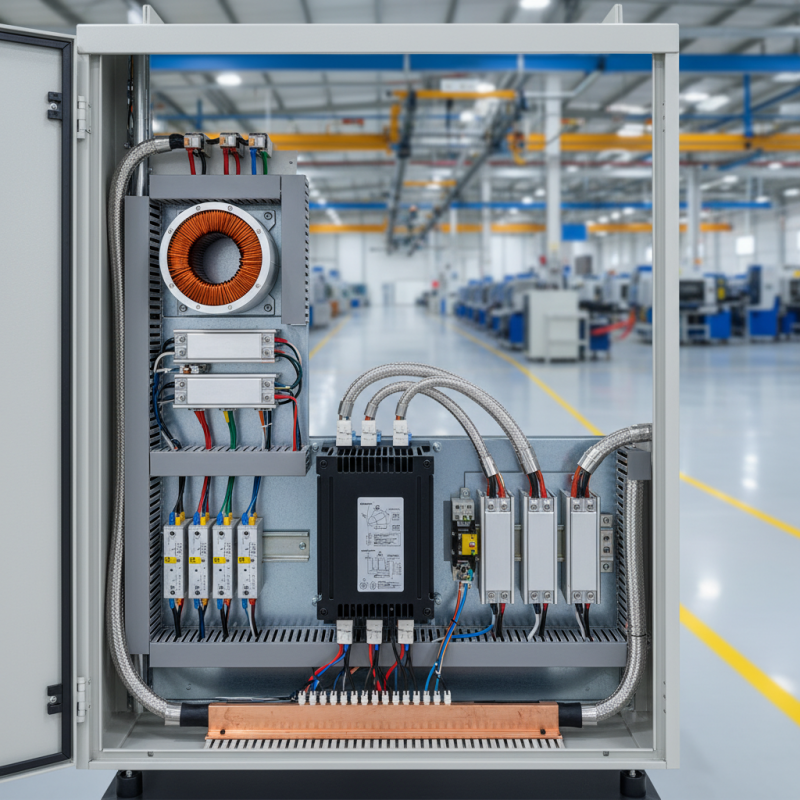
Electromagnetic interference (EMI) is a critical concern in Variable Frequency Drive (VFD) systems. VFDs are widely used in industrial applications to control motor speed and torque, but they generate high-frequency harmonics. These harmonics can interfere with nearby electronic devices, leading to performance issues. According to a report by the IEEE, over 40% of industrial failures are linked to EMI-related issues. This underlines the urgency of addressing EMI in VFD setups.
The sources of EMI in VFDs arise from rapid voltage and current changes. For instance, the switching frequencies in VFDs can reach up to 20 kHz. These frequencies can produce noise that travels through power lines and radiates into the environment. Furthermore, installation practices play a pivotal role in EMI mitigation. Poor grounding and insufficient shielding can exacerbate the problem. Research indicates that implementing proper shielding techniques could reduce EMI by over 25%.
While various solutions exist, such as filtering and shielding, these approaches may not entirely eliminate EMI. Many facilities report inconsistent results from these methods. This reflects the complexity of EMI behavior in different environments. As technology evolves, continuous assessment and adaptation of strategies are critical in managing EMI from VFDs effectively.
Variable Frequency Drives (VFDs) are essential in controlling motors efficiently. However, they can generate significant Electromagnetic Interference (EMI). Understanding the common sources of EMI in VFDs is crucial for effective mitigation strategies.
One primary source of EMI in VFDs is the switching operations of insulated gate bipolar transistors (IGBTs). These components create high-frequency voltage transients. Studies indicate that the rise times of these transients can reach nanoseconds, leading to conducted and radiated interference. Additionally, the layout and grounding of the VFD installation can exacerbate EMI issues, resulting in noise coupling into nearby devices.
Another contributing factor is the use of long motor cables. When cables are improperly shielded or routed, they can act as antennas, amplifying EMI. Data from industry reports show that cable length can significantly affect EMI levels. This often leads to erratic motor performance or even equipment failures. As VFD applications increase, addressing these sources of EMI becomes more critical for maintaining equipment reliability and operational efficiency.
Electromagnetic interference (EMI) from variable frequency drives (VFDs) is a significant concern in various industrial settings. Effective shielding techniques can help mitigate this issue. One common method is using conductive enclosures, which restrict EMI emissions effectively. These enclosures should be grounded properly to maximize their shielding effectiveness. Ensuring correct installation is crucial; even minor mistakes can lead to increased interference.
Another useful technique involves employing ferrite beads on cables. These beads act as filters, reducing high-frequency noise traveling along the wires. It’s essential to select the right type of bead depending on the frequency range of the VFD. In addition, appropriate cable management can further enhance shielding. Keeping cables short and organized minimizes the loop area, effectively decreasing potential EMI.
Sometimes, despite employing these techniques, issues may still persist. This could be due to improper installation or equipment not suited for specific environments. It’s vital to revisit the setup and identify any shortcomings. Regular maintenance and evaluation can ensure that these shielding techniques remain effective over time. By addressing these challenges, facilities can better manage EMI from VFDs, leading to improved operational efficiency.
| Shielding Technique | Effectiveness (%) | Installation Difficulty | Cost ($) |
|---|---|---|---|
| Metal Enclosure | 95 | Moderate | 1500 |
| Shielded Cables | 90 | Easy | 500 |
| Grounding | 85 | Easy | 300 |
| Ferrite Beads | 75 | Easy | 100 |
| EMI Filters | 88 | Moderate | 400 |
In variable frequency drive (VFD) applications, electromagnetic interference (EMI) can lead to significant operational issues. To address this, implementing effective filter solutions is crucial. Filters help to eliminate unwanted high-frequency noise generated by VFDs, improving overall system performance. They can be categorized into passive and active types. Passive filters, for instance, are often simpler but may not be as effective in certain circumstances.
Selecting the right filtering solution requires expertise. It’s essential to assess the specific application needs and environment. Not all filters are suitable for every situation. Some may require adjustments or additional components to enhance performance. A thorough analysis ensures that the chosen solution will adequately mitigate EMI without introducing new challenges.
Real-world application often reveals unexpected difficulties. For example, even after installing a filter, significant EMI might persist. This can occur due to inadequate grounding or unexpected coupling paths. Engineers must remain vigilant and open to revisiting their design. Trial-and-error can be part of the process, as each system may behave differently under various operating conditions. Continuous testing and tuning are vital for achieving optimal results.
Electromagnetic interference (EMI) from variable frequency drives (VFDs) can disrupt equipment and processes. Proper installation is crucial for minimizing EMI. One significant factor is cable management. Use shielded cables to protect against external noise. Ensure proper grounding to reduce unwanted currents.
It’s essential to maintain adequate distance between VFDs and sensitive devices. A separation of at least three feet can minimize interference. Avoid running power and control cables side by side. Instead, separate them to limit the coupling of electromagnetic fields. Make sure to use proper conduit when shielding cables.
Another tip involves the use of filters. Installing EMI filters at the VFD output reduces high-frequency noise. The use of common mode chokes can also be beneficial. Explore different configurations to find what works best for your setup. Regularly check connections and installation integrity; loose connections can introduce noise. Consider this a potential weak point in your installation strategy. Understanding these details can significantly enhance the reliability of your system.
: EMI refers to disturbances caused by high-frequency harmonics generated in VFDs, affecting nearby devices.
Over 40% of industrial failures are linked to EMI issues, which can disrupt performance and operations.
VFDs create rapid voltage and current changes, with switching frequencies that can reach up to 20 kHz.
Poor grounding and inadequate shielding can worsen EMI problems, making installation practices crucial.
Solutions include filtering and shielding, but they may not always eliminate EMI completely.
Filters need expertise for proper selection and may require adjustments due to varied application needs.
Using shielded cables and proper grounding can significantly reduce external noise and unwanted currents.
Maintaining at least three feet of separation can minimize interference with sensitive equipment.
Each system behaves differently, so ongoing testing and tuning are essential for effective EMI control.
They must be ready to address unresolved EMI issues, as factors like grounding may still contribute to interference.
In the exploration of "How to reduce electromagnetic interference from a VFD?", it is crucial to first understand the nature of electromagnetic interference (EMI) within variable frequency drive (VFD) systems. VFDs, while efficient in controlling motor speed, can be a source of EMI, which can affect the performance of nearby electronic equipment. Common sources of this interference often include rapid switching operations and cable placement.
To effectively mitigate EMI from VFDs, several strategies can be employed. Utilizing effective shielding techniques can significantly reduce electromagnetic noise. Implementing filter solutions can further minimize the impact of EMI in applications utilizing VFDs. Additionally, following best practices during installation, such as optimal cable routing and grounding techniques, can help limit the EMI generated by VFDs. By addressing these factors, one can create a more stable electrical environment and ensure the reliable operation of VFD systems.

NovaVolt Service