Choosing the right solar pump inverter for deep wells is crucial for effective water management. According to John Thompson, an industry expert and founder of Solar Solutions, "Selecting the correct inverter can significantly enhance the performance of your solar pump system." This highlights the importance of making informed decisions in this area.
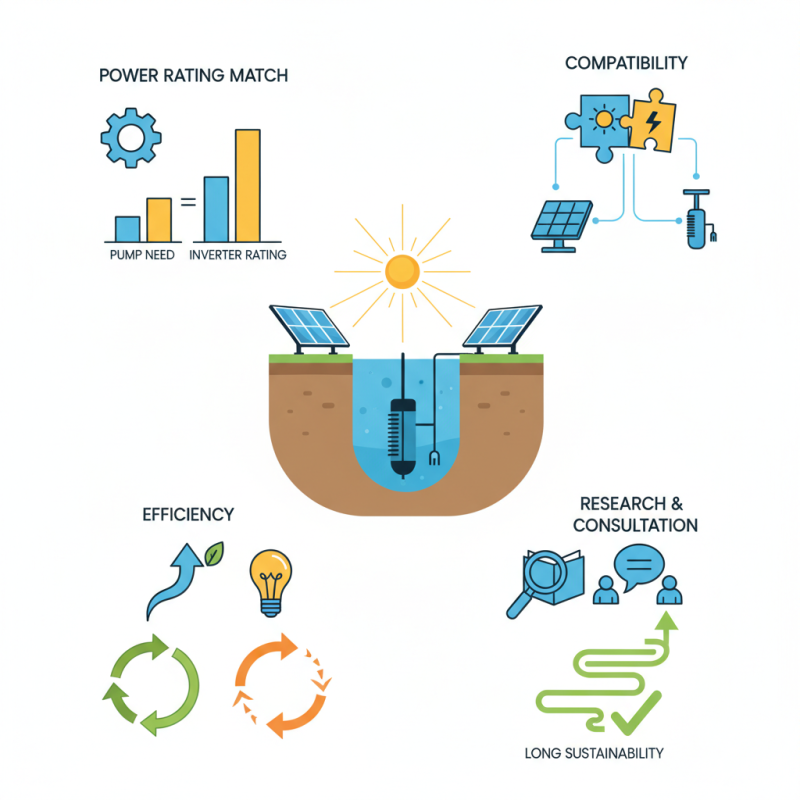
When exploring how to choose the correct solar pump inverter for deep wells, several factors must be considered. The inverter’s power rating must match your pump's needs. Oversizing can lead to wasted resources, while undersizing may not operate the pump efficiently. Moreover, understanding the compatibility between the inverter and solar panels is essential.
Detailed research can sometimes reveal gaps in knowledge. Many don't realize that inverter efficiency directly impacts overall energy production. Inadequate understanding might lead to purchasing a suboptimal product. It's a choice that shouldn't be rushed. Take the time to explore various options, consult with professionals, and ensure your investment supports long-term sustainability.
Understanding the basics of solar pump inverters for deep wells is crucial. Solar pump inverters convert solar energy into electricity for water pumps. They are essential in areas where electricity access is limited. Research shows that nearly 30% of agricultural operations rely on such systems for irrigation.
When choosing a solar pump inverter, consider efficiency ratings. An inverter with over 90% efficiency is ideal. This means less energy loss and more effective pumping. Additionally, look for inverters with features like maximum power point tracking (MPPT). This technology helps optimize energy use from solar panels, especially in varying sunlight conditions.
Cost is another important factor. The initial investment can be significant, impacting ROI. Studies indicate that farmers might take up to five years to recover costs through increased productivity. Potential users need to weigh this against long-term benefits. Assessing local climate conditions is also important. Performance can vary in regions with limited sunlight, affecting overall system reliability. Careful selection can lead to increased water supply and better crop yields.
When selecting a solar pump inverter for deep wells, several key features deserve your attention. The inverter's efficiency is crucial. A high-efficiency rating ensures more solar energy is converted to power, optimizing water output. Check the operating voltage range, too. It must match the specific requirements of your pump and system.
Another important aspect is the inverter's durability. Inverters often work in harsh conditions. Look for models with robust designs that can withstand extreme temperatures and moisture. Furthermore, consider the solar input capacity. It should be adequate to handle the peak solar energy available during sunny days. This capacity directly impacts the pump's performance.
Monitoring features can enhance usability. An inverter with real-time monitoring allows you to track performance. This is particularly helpful for identifying issues early. Installation flexibility is another point worth considering. Some inverters are easier to set up than others. Think about the compatibility with your existing system. Reflect on these details before making a decision. Every feature may influence the long-term performance of your solar pump system.
Choosing the right solar pump inverter for deep wells involves assessing power requirements carefully. Deep well pumps may require various power levels based on depth and flow rate. An analysis of current industry data shows that a pump delivering 10 gallons per minute from a depth of 200 feet necessitates a minimum of 1,500 watts. This power requires an inverter that can handle constant energy use while being efficient.
Understanding your specific power requirements is essential. Determine the wattage needed not just for the pump but for any additional equipment. Be mindful of peak power requirements during startup, which can be significantly higher. A thorough evaluation can prevent equipment failure and costly downtime. The Solar Energy Industries Association reports that a typical solar installation for deep wells can range from 1 kW to 5 kW based on user needs.
Tips: Always consider future expansion when calculating power needs. Account for changes due to droughts or increased demand. It is important to reflect on the systems you select. Often, inverters that appear adequate at first may struggle under real-world conditions. Testing various setups can reveal unexpected performance issues. Regular monitoring and adjustments may lead you to the most effective solution over time.
When selecting a solar pump inverter for deep wells, it's essential to consider different brands and models available. Each offers unique features that cater to specific needs. For instance, energy efficiency can vary significantly between models. Some may include advanced MPPT technology, optimizing energy use during varying sunlight conditions.
Moreover, durability and build quality are crucial factors. Quality inverters usually withstand harsh weather and operating conditions, enhancing reliability. Look for inverters rated for robust outdoor use. Additionally, user experience varies widely. Some users report hassle-free installations, while others face challenges. Pay attention to customer feedback and expert reviews to gauge real-world performance.
Cost is another factor to reflect on. Higher-priced inverters often promise better efficiency or longer warranties. However, some budget options might surprisingly deliver adequate performance. It's worth comparing features carefully. Include aspects like output power, compatibility with pump types, and monitoring systems in your assessment. There may be trade-offs between cost and capability. Make an informed decision rather than going for the lowest price.
When installing a solar pump inverter for deep wells, attention to detail is crucial. Begin by ensuring your site has ample sunlight exposure. This impacts the inverter’s efficiency significantly. Verify the compatibility of the inverter with your pump system. Deep well pumps often require inverters that can handle varying power demands.
Regular maintenance is essential for optimal performance. Check the inverter for dust and debris every few months. This buildup can reduce efficiency. Make sure the electrical connections are secure and free from corrosion. An overlooked connection may lead to power loss or even damage to the system.
Monitor the inverter's performance through its display panel. Look out for any irregular readings or warning signals. These can indicate deeper issues that require immediate attention. Additionally, consider keeping a maintenance log. Documenting routine checks and services can help spot patterns over time, allowing for proactive troubleshooting. Taking these steps will enhance reliability and longevity of your solar pump inverter system.
: Look for energy efficiency, durability, and build quality to ensure reliability.
Ample sunlight significantly impacts performance. Less light reduces energy generation.
Reviews reveal real-world performance. Some face challenges; others find installations easy.
Check for dust, secure electrical connections, and monitor performance readings.
Keep a maintenance log that tracks routine checks and spot patterns.
Not necessarily. Some budget models perform well; compare features carefully.
Features like output power, warranty, and efficiency play critical roles in pricing.
Investigate the issue immediately, as it may indicate deeper problems that need attention.
Yes, ensuring proper installation boosts efficiency and prevents future issues.
Compatibility with the pump system and securing proper site conditions can be difficult.
Choosing the right solar pump inverter for deep wells involves understanding the fundamental principles of these devices and their specific requirements. When considering how to choose the correct solar pump inverter for deep wells, it is essential to evaluate key features such as inverter efficiency, compatibility with pump types, and control options. Assessing the power requirements specific to your deep well pump is crucial for ensuring proper functionality, as inadequate power can lead to suboptimal performance.
Additionally, comparing various brands and models of solar pump inverters can help identify products that best fit your needs. Proper installation and consistent maintenance are equally important for maximizing the lifespan and efficiency of your inverter. By thoroughly understanding these aspects, you can make an informed decision and ensure effective water pumping from deep wells.

NovaVolt Service