In industrial settings, choosing the right motor control technology is crucial. A variable frequency drive (VFD) and a soft starter serve different needs. Understanding the differences can significantly impact operational efficiency and cost. According to a recent industry report by the International Electrotechnical Commission, VFDs can improve energy efficiency by up to 60% compared to traditional methods.
"What is the difference between a VFD and a soft starter?" is a common question among engineers. Michael Johnston, a motor control expert, emphasizes, "VFDs allow for precise speed control, while soft starters primarily reduce inrush currents." This insight highlights their fundamental distinctions. Soft starters are suitable for applications requiring simple on-off control. In contrast, VFDs are ideal for processes demanding variable speed and torque adjustments.
While both technologies offer advantages, shortcomings exist. VFDs can be more complex and costly due to their advanced features. Soft starters, while easier to implement, may not provide the level of control desired in dynamic applications. Assessing specific use cases is vital, as each solution has its merits. Understanding the nuances can lead to more informed decisions in your automation journey.
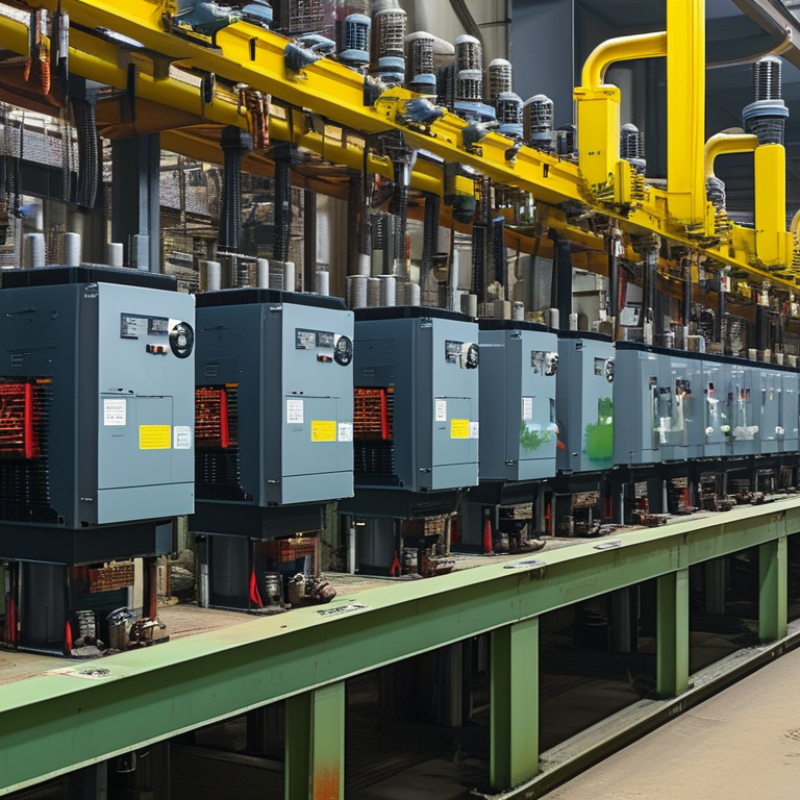
Understanding VFDs and Soft Starters: Key Differences Explored
When choosing between a Variable Frequency Drive (VFD) and a soft starter, understanding their key differences is vital.
VFDs allow for precise motor speed control and torque management. They provide energy savings and reduce mechanical stress on equipment.
According to a 2021 industry report, using VFDs can lead to energy savings of 20-50% in motor-driven applications.
Conversely, soft starters are designed to limit inrush current during motor startup. They provide smooth acceleration and deceleration, protecting components from stress.
Soft starters are generally less expensive and easier to implement. However, they do not offer the advanced features of VFDs.
For applications that do not require variable speed, soft starters can be a more cost-effective choice.
Selecting between these options requires careful consideration of application needs. Not all situations will benefit from a VFD's complex control.
In some cases, the simplicity of a soft starter might suffice. Understanding the specific requirements of your system can guide you toward the best choice.
Balancing cost against functionality should always be a key consideration.
Application Scenarios: When to Use a VFD vs Soft Starter
Choosing between a Variable Frequency Drive (VFD) and a soft starter can be challenging. Each device serves a unique purpose and fits different application scenarios. VFDs are ideal for applications requiring precise speed control. They allow for smooth acceleration and deceleration, reducing mechanical stress on equipment. This makes them suitable for applications like conveyor systems and pumps.
On the other hand, soft starters are a great choice for reducing inrush currents during motor start-up. They limit the current flowing to the motor, making them helpful for applications that don’t require variable speed. Fans and compressors often use soft starters to manage starting torque without complex control. While VFDs offer more versatility, their complexity can lead to maintenance challenges. Sometimes, simpler solutions can be more effective.
Consider the environment and load conditions when making a choice. Some systems benefit from the energy efficiency of a VFD. In contrast, others might just need the simplicity of a soft starter. Reflecting on these factors can lead to a more informed decision.
Energy Efficiency Considerations in VFD and Soft Starter Selection
When selecting between a Variable Frequency Drive (VFD) and a soft starter, energy efficiency is a primary consideration. A VFD allows precise control over motor speed and torque, which can lead to significant energy savings. According to the U.S. Department of Energy, a VFD can improve energy efficiency by up to 50% in some applications. This efficiency pushes industries towards more sustainable operations.
On the other hand, soft starters are useful for reducing inrush current during motor startup. They maintain energy consumption during consistent operation but do not offer the same level of control. Data from industry reports suggest that while soft starters can reduce peak power demand, they do not enhance overall operational efficiency. Without a VFD’s capability, energy wastage could occur in applications requiring variable loads.
Consider the operational demands of your application. A VFD may not be necessary if the motor runs at a constant speed. However, for variable-speed processes, the VFD presents clear advantages. Energy efficiency should align with long-term operational costs. Misunderstandings about the capabilities of these technologies may lead to inefficient choices that could hinder performance and increase expenses over time.
Cost Analysis: Initial Investment vs Long-term Savings
When deciding between a Variable Frequency Drive (VFD) and a soft starter, cost analysis is crucial. The initial investment for a VFD can be significantly higher than that of a soft starter. According to a report by the U.S. Department of Energy, VFDs can cost up to three times more than soft starters upfront. However, this initial cost is not the whole story.
Long-term savings often tip the scales in favor of VFDs. In real-world applications, companies can see energy savings of 20-50% with VFDs. The increased energy efficiency allows for reduced operational costs over time. Furthermore, a study from the Electric Power Research Institute highlighted that the return on investment (ROI) for VFDs often occurs within 1 to 3 years.
Soft starters have lower upfront costs. Yet, they lack the energy-saving capabilities of VFDs. Businesses might save money initially but could incur higher costs in electrical bills and maintenance over time. Some operations report increased wear on equipment when using soft starters, leading to more frequent replacements and repairs. Evaluating both options involves weighing these financial factors against operational needs.
Maintenance and Reliability Factors in VFDs and Soft Starters
When considering maintenance and reliability factors in Variable Frequency Drives (VFDs) and soft starters, it’s essential to evaluate their respective characteristics. VFDs provide precise control over motor speed and torque, which can enhance efficiency. However, their complexity can lead to higher maintenance needs. In contrast, soft starters are simpler. They focus on reducing inrush current during motor start-up, but offer limited speed control.
One critical aspect of maintenance lies in the environment where the equipment operates. Dust, humidity, and temperature extremes can significantly impact VFD reliability. This is a factor that may not always be properly addressed. Regular inspections and cleaning can prevent failure, yet many overlook this routine.
Tips: Always monitor the operating environment closely. Use protective enclosures if necessary. Also, consider the potential need for training staff on specific maintenance procedures. Familiarizing all operators with the systems can aid reliability. Take time to assess the long-term implications of your choice. The trade-off between control and complexity can have lasting consequences for your operations.
FAQS
: VFDs provide precise speed control, allowing smooth acceleration and deceleration to reduce mechanical stress on equipment.
Use soft starters to reduce inrush currents during motor startups, especially for applications not requiring variable speed.
VFDs are more versatile than soft starters, but their complexity can lead to maintenance challenges.
Consider environmental conditions, load requirements, and whether energy efficiency is a priority for your system.
VFDs can cost up to three times more than soft starters upfront, impacting initial budgeting.
Companies can save 20-50% in energy costs over time, often recouping the investment within 1 to 3 years.
While cheaper initially, soft starters may lead to higher operational costs and increased wear on equipment over time.
Yes, the initial cost is critical, but consider long-term savings when making your choice.
VFDs are ideal for applications like conveyor systems and pumps that require precise speed control.
Although soft starters simplify motor start-up, they can lead to frequent replacements and repairs due to increased wear.
Conclusion
The article "How to Choose Between a VFD and a Soft Starter?" provides a comprehensive examination of the two technologies, focusing on their fundamental differences. What is the difference between a VFD and a soft starter? Essentially, VFDs (Variable Frequency Drives) allow for precise control of motor speed and torque, making them ideal for applications requiring variable loads. In contrast, soft starters limit the inrush current during motor startup, reducing mechanical stress but not providing speed control.
The article also explores various application scenarios to help determine when each technology is most appropriate. It delves into energy efficiency considerations, highlighting how VFDs can lead to greater energy savings over time despite higher initial costs. Additionally, a cost analysis is included, comparing the initial investment of both options against their long-term savings. Finally, the discussion touches on maintenance and reliability factors, providing valuable insights for decision-makers in industrial settings.

 NovaVolt Service