Top 5 Benefits of Using VFDs for Industrial Fans?

Time:2026-08-23 Author:Liam
0%

In many industrial settings, the efficiency of ventilation systems is crucial. Fans play a vital role in regulating airflow and maintaining optimal conditions. However, controlling the speed of these fans can be challenging. This is where Variable Frequency Drives (VFDs) come into play. VFDs offer precise control over fan speeds, enhancing performance. But what are the benefits of using a VFD for industrial fans?

By adjusting the motor speed according to demand, VFDs significantly improve energy efficiency. This can lead to substantial cost savings on electricity bills. Additionally, they reduce wear and tear on equipment, extending the lifespan of both fans and motors. However, some operators may underestimate the initial costs of VFDs. Others might overlook the training needed for proper implementation. It's important to weigh these factors when considering VFDs for industrial applications. Overall, the advantages of VFDs are clear and impactful for industrial fans.
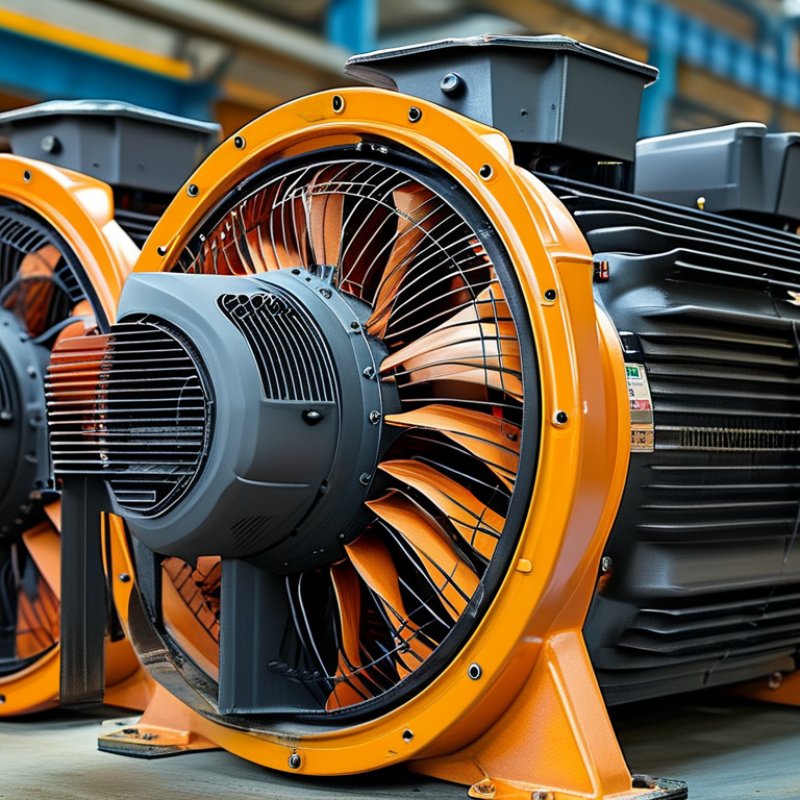
Top 5 Benefits of Using VFDs for Industrial Fans?

Benefits of VFDs in Reducing Energy Consumption for Industrial Fans

Variable Frequency Drives (VFDs) play a crucial role in enhancing the efficiency of industrial fans, especially regarding energy consumption. These systems allow the adjustment of motor speed according to real-time demand. By regulating the airflow, VFDs prevent energy waste. Fans often operate at full capacity even when it’s unnecessary, leading to higher utility costs. VFDs optimize fan operation by matching output to specific requirements.

Implementing VFDs not only reduces energy bills but also prolongs equipment lifespan. When motors run at reduced speeds, they experience less wear and tear. This can lead to less frequent maintenance and lower replacement costs. However, some facilities may hesitate to adopt VFD technology due to perceived complexity. It is important to have trained personnel who understand the system’s intricacies.

Moreover, while VFDs offer substantial benefits, their installation and calibration can be challenging. A poorly configured drive may not yield desired energy savings. Organizations must prioritize proper training and knowledge-sharing among workers. Investing in expert guidance can mitigate these potential pitfalls, ensuring effective use of VFD technology.

Impact of VFDs on Fan Performance and Efficiency in Industrial Applications

Variable Frequency Drives (VFDs) significantly enhance fan performance in industrial settings. By adjusting the motor speed, VFDs optimize airflow. This leads to increased efficiency and reduced energy consumption. Industries can experience a notable drop in operating costs. It's important to understand how each application benefits differently from VFDs. For example, cooling systems often require variable speed adjustments to match system demands, ensuring optimal performance.

When integrating VFDs, consider system compatibility. Not all fans are equipped to handle VFD control. That's why assessing motor types and fan load characteristics is crucial. Monitoring system performance post-installation is also essential. Changes might be needed to fully realize efficiency gains. Look out for unexpected vibrations or noises, as they can indicate improper setup or compatibility issues.

Regular maintenance becomes vital with VFDs in use. Ensure that connections and settings are frequently reviewed. This step can prevent downtime and costly repairs. Keeping an eye on energy consumption metrics helps identify any irregularities early. Using VFDs can save energy, but continuous monitoring is necessary to maintain system integrity.

Enhancing Process Control with VFDs for Variable Airflow Management

Variable Frequency Drives (VFDs) have become vital in managing airflow effectively in industrial settings. With VFDs, users can optimize the performance of fans while enhancing energy efficiency. Reports indicate that VFDs can save up to 50% on energy costs compared to traditional systems. Managing airflow precisely reduces the workload on fans. This not only extends their lifespan but also decreases maintenance needs.

Beyond cost savings, VFDs allow for better process control. Adjusting fan speeds means airflow can be tailored to specific requirements. A study revealed that precise airflow management can increase production efficiency by 15-20%. However, implementing VFDs is not without challenges. There may be a steep learning curve for operators. Additionally, integrating VFDs into existing systems can pose compatibility issues.

Balancing these aspects is crucial for a successful transition. Companies need to assess their current systems accurately before adopting VFD technology. Being aware of potential pitfalls is essential. Ensuring staff training and proper installation can mitigate these risks. As industries move towards automation, VFDs will play a significant role in shaping sustainable and efficient processes.

Top 5 Benefits of Using VFDs for Industrial Fans

Cost Savings from Maintenance Reduction with VFD Implementation

Variable Frequency Drives (VFDs) can significantly reduce maintenance costs for industrial fans. They allow for precise control of fan speed. This optimization leads to less strain on mechanical components. Over time, this translates to fewer breakdowns and less frequent repairs.

Implementing VFDs can lead to a reduction in energy consumption. Fans typically run at a constant speed, which can be wasteful. By adjusting the speed based on demand, VFDs help maintain efficiency. This not only saves on energy bills but also lessens wear and tear. However, it’s essential to ensure proper calibration to maximize these benefits. Improper setup can lead to unexpected issues.

Regular maintenance schedules must still be followed, even with VFDs. While they reduce wear, fans still require attention. Monitoring performance is critical. If VFDs are not properly integrated, they can create new challenges, such as electrical noise or heating issues. Overall, a thoughtful approach to VFD implementation can enhance reliability in industrial applications.

Top 5 Benefits of Using VFDs for Industrial Fans

Benefit Description Estimated Cost Savings (%)
Energy Efficiency VFDs can reduce energy consumption by adjusting motor speed to match load requirements. 20-50%
Extended Equipment Life Gentle starts and stops reduce strain on equipment, extending its lifespan. 15-30%
Reduced Maintenance Costs Lower wear and tear leads to fewer repairs and maintenance interventions. 25-40%
Improved Process Control VFDs allow precise control over fan speed, optimizing operational performance. Varies
Reduced Noise Levels Lower operating speeds help decrease noise, creating a quieter work environment. N/A

Environmental Benefits of Using VFDs in Industrial Fan Systems

Using Variable Frequency Drives (VFDs) in industrial fan systems offers significant environmental benefits. By optimizing the speed of the fan motors, VFDs reduce energy consumption. This reduction directly lowers greenhouse gas emissions. The efficient use of energy leads to a smaller carbon footprint, making operations more sustainable.

VFDs allow for precise control over airflow, adjusting to real-time needs. This adaptability minimizes energy waste that occurs with fixed-speed motors. For example, during low demand periods, a VFD can decrease the fan speed to match requirements. This intelligent management not only conserves energy but also prolongs equipment life, reducing waste generated by machine breakdowns.

Despite these benefits, some industries struggle to fully implement VFD systems. Initial investment and retrofitting costs can be barriers. Additionally, staff training is crucial but often overlooked. Organizations need to consider these factors carefully to maximize the potential of VFDs. Balancing efficiency improvements with upfront challenges can lead to a more sustainable future for industrial operations.

FAQS

: What are Variable Frequency Drives (VFDs) used for?

: VFDs optimize motor speed based on real-time demand for energy savings and improved efficiency.

How do VFDs reduce energy consumption?

They adjust airflow, preventing fans from running at full capacity when it's unnecessary, leading to lower utility costs.

What benefits do VFDs bring to equipment lifespan?

By reducing motor speeds, VFDs minimize wear and tear, resulting in less frequent maintenance and replacement costs.

Why might facilities hesitate to implement VFD technology?

Complexity and the need for trained personnel may discourage some organizations from adopting VFDs.

What issues can arise from poorly configured VFDs?

Improper configuration can lead to insufficient energy savings and increased operational costs.

How important is training for staff using VFDs?

Proper training is essential for effective implementation and ongoing maintenance to maximize benefits.

What should be monitored after VFD installation?

System performance monitoring is necessary to ensure compatibility and spot potential issues like vibrations or noises.

How can VFDs enhance process control?

Adjusting fan speeds allows for precise airflow management, tailored to specific demands, boosting productivity.

What is a potential challenge in implementing VFDs?

Compatibility issues with existing systems and the learning curve for operators can complicate integration.

How do VFDs affect maintenance needs for fans?

Reduced workload from optimized airflow leads to decreased maintenance requirements over time.

Conclusion

What are the benefits of using a VFD for industrial fans? Utilizing Variable Frequency Drives (VFDs) for industrial fans offers numerous advantages that enhance operational efficiency and sustainability. Firstly, VFDs significantly reduce energy consumption by allowing fans to operate at optimal speeds based on demand, thereby minimizing unnecessary energy expenditure. This not only boosts fan performance and efficiency but also aids in precise airflow management, leading to better process control in various industrial applications.

Moreover, the implementation of VFDs can lead to considerable cost savings by reducing maintenance needs; since VFDs help in smoothing out operational stresses on mechanical components, the wear and tear on equipment decreases. From an environmental perspective, the reduction in energy consumption translates to lower carbon footprints, aligning industrial operations with eco-friendly practices. Overall, the integration of VFDs in industrial fan systems provides a holistic approach to enhancing productivity while supporting sustainability goals.

Liam

Liam

Liam is a dedicated marketing professional with a profound expertise in the industry, where he excels at highlighting the unique advantages of our core products. With a keen understanding of market trends and consumer needs, Liam frequently updates our company’s professional blog, providing......